• Skip to primary navigation
  • Skip to main content
  • Skip to primary navigation
  • Skip to main content
Choose which site to search.
University of Arkansas for Medical Sciences Logo University of Arkansas for Medical Sciences
Translational Research Institute
  • UAMS Health
  • Jobs
  • Giving
  • About TRI
    • What We Offer
    • Leadership & Governance
    • Staff
    • Citing Translational Research Institute CTSA Support
    • What is Translational Research?
    • Contact TRI
  • Funding Opportunities
    • Grants
      • Pilot Award Program
      • Consortium of Rural States (CORES) Multi-Institutional Pilot Award Program
      • Team Science Voucher Program
      • Winthrop P. Rockefeller Cancer Institute Rural Research Award Program
    • Scholarships
      • K12 Mentored Research Career Development Scholar Awards Program
      • Health Sciences Innovation and Entrepreneurship Postdoctoral Training Program
      • Implementation Science Scholar Program
      • (STARs) Program – Strategies for Training and Advancing Researchers
      • SMART Program [Master’s in Clinical and Translational Sciences (MS-CTS)]
    • Community
      • Community Based Participatory Research (CBPR) Scholars Program
      • Community Partners Educated as Arkansas Research Leaders (CPEARL) Program
    • Awardee Responsibilities
  • Services & Resources
    • Services
      • Biostatistics, Epidemiology and Research Design (BERD) Consultation
      • Clinical Data Repository (AR-CDR)
      • Comprehensive Informatics Resource Core
      • Mock Study Sections
      • Research Participant Recruitment
      • Research Support: Clinical Trials Innovation Unit (CTIU)
      • Implementation Science Program
      • Research Ethics Consultation
    • Resources
      • ARresearch Registry
      • Center for Health Literacy
      • Data Safety Monitoring
      • Grant Writing & Dissemination
      • UAMS Profiles
      • UAMS Rural Research Network
      • Other Resources
      • COVID-19 Research Guidelines
      • Community Partner Research Training
  • Career Development & Scholarships
    • Scholarship Opportunities
      • K12 Mentored Research Career Development Scholar Awards Program
      • Health Sciences Innovation and Entrepreneurship Postdoctoral Training Program
      • Data Science Scholars Program
      • Implementation Science Scholar Program
      • SMART Program
      • Translational Research Innovations and Partners (TRIP) Program
    • Training & Educational Opportunities
      • innOVATION Seminar Series
      • Path 2 K Program
      • Translational Workforce Development
      • Graduate Certificate in Implementation Science
      • SMART Program [Master’s in Clinical and Translational Sciences (MS-CTS)]
      • Good Clinical Practice Training
    • Didactic Training
  • Community
    • Community Engagement Leadership
    • Community Advisory Board
    • Community Engagement Partners
      • Community Partner Celebration
      • Faith-Academic Initiatives for Transforming Health (FAITH) Network
    • Community Engagement Services
      • Consultations and Technical Assistance
      • Community Review Boards
      • Community Partner Research Training
      • Equipment Library
    • Programs and Funding
      • Community Partners Educated as Arkansas Research Leaders (CPEARL) Program
      • Community Based Participatory Research (CBPR) Scholars Program
      • Community Scientist Academy
    • Toolkits
      • CSA Online Toolkit
      • CPEARL Toolkit
  • Events
    • Research Day
    • Clinical Trials Learning Collaborative
  • Newsroom
  1. University of Arkansas for Medical Sciences
  2. Translational Research Institute
  3. News
  4. Page 7

News

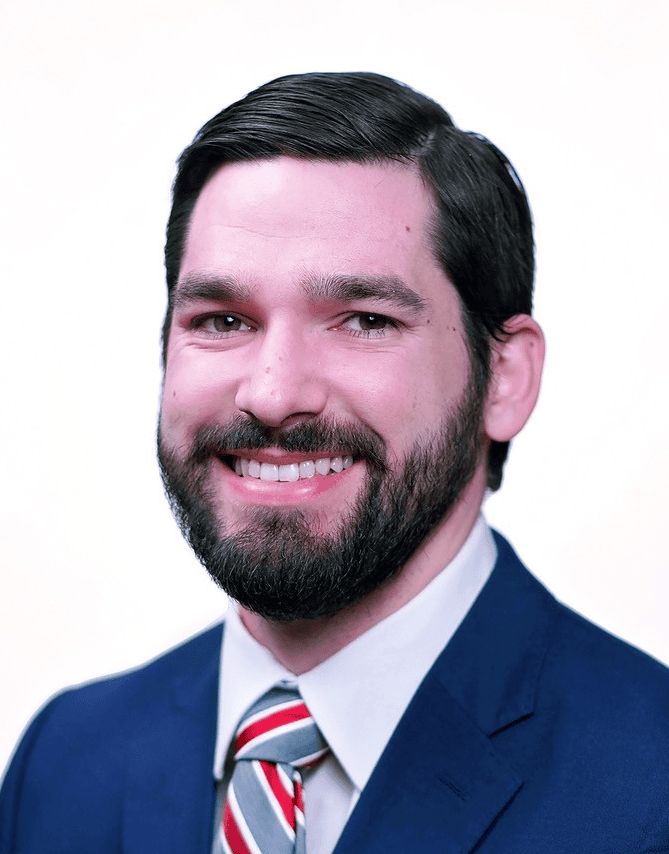
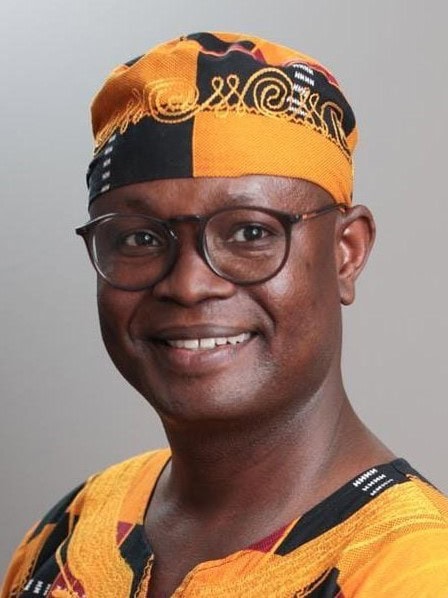
TRI Names Mathias Brochhausen, Ph.D., to Leadership Post

Mathias Brochhausen, Ph.D.

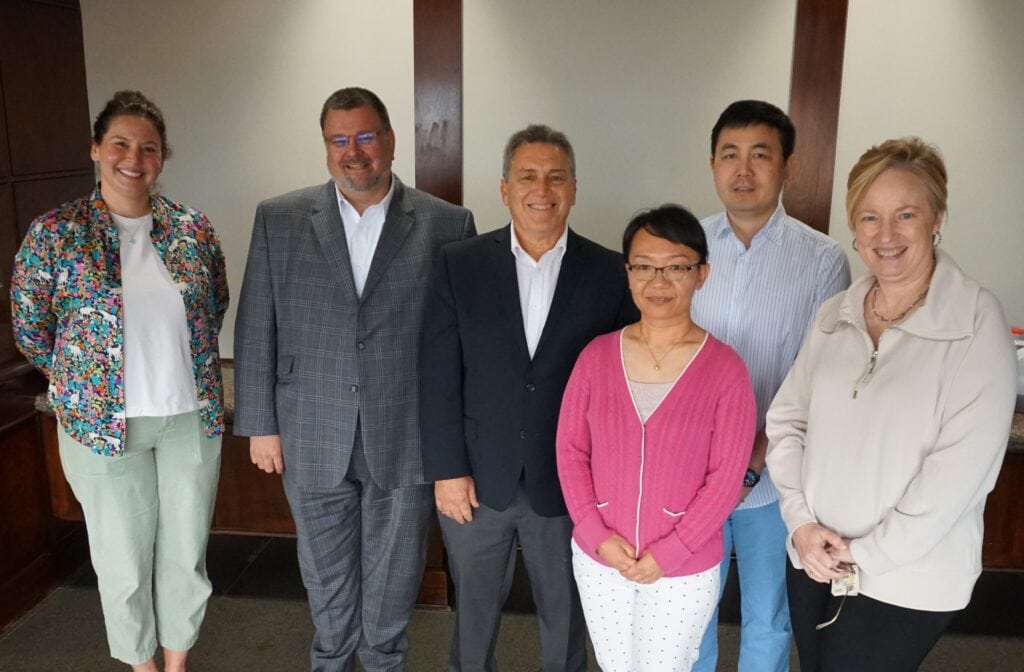
The UAMS Translational Research Institute (TRI) is pleased to announce the appointment of Mathias Brochhausen, Ph.D., to the role of associate director for Strategic Collaborations, effective May 1. Brochhausen is a professor and vice chair in the UAMS College of Medicine Department of Biomedical Informatics.

He will continue to co-chair TRI’s Clinical and Translational Science Pilot Program with Shelley Crary, M.D., MS. In addition, he will serve as TRI’s liaison for PCORNet® Initiatives through an affiliation with the University of Florida’s OneFlorida+ PCORNet® program. PCORNet® is a national resource funded by the National Patient-Centered Outcomes Research Institute (PCORI) and enables comparative effectiveness research to advance health outcomes through community, research and data partnerships.

TRI’s other two associate directors are Antiño Allen, Ph.D., associate director, Pathway Initiatives, and John Arthur, M.D., Ph.D., associate director, Translational Research.  Congratulations Dr. Brochhausen!

Filed Under: Front, News, Newsroom

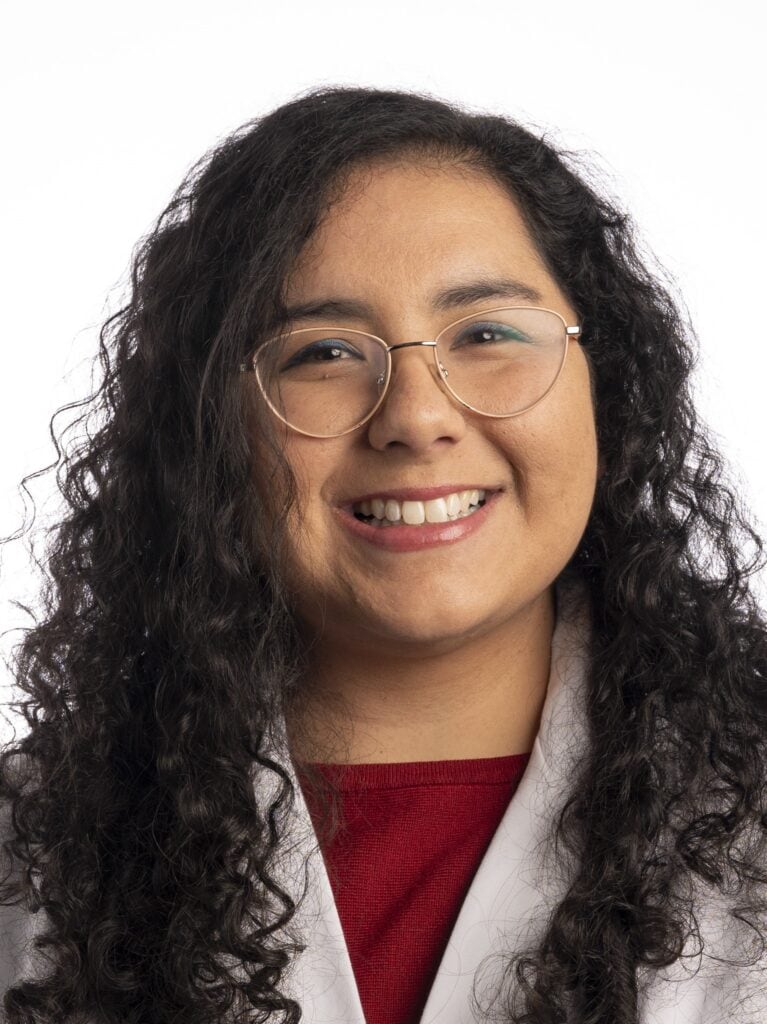
TRI Announces Two Pilot Awardees

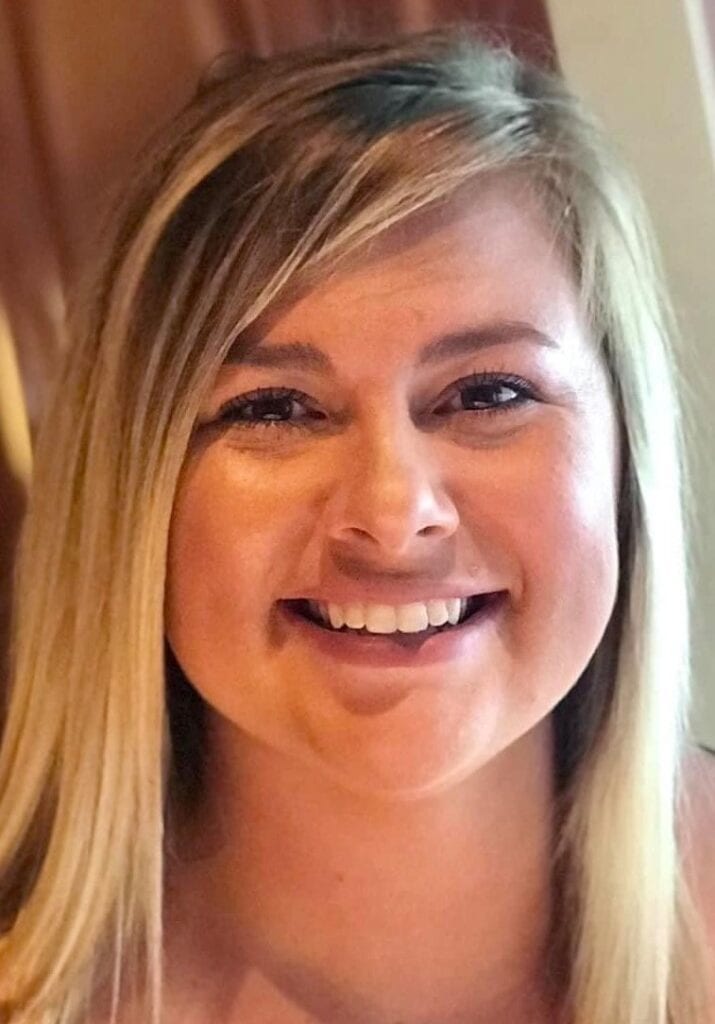
Tiffany Miles, Ph.D.

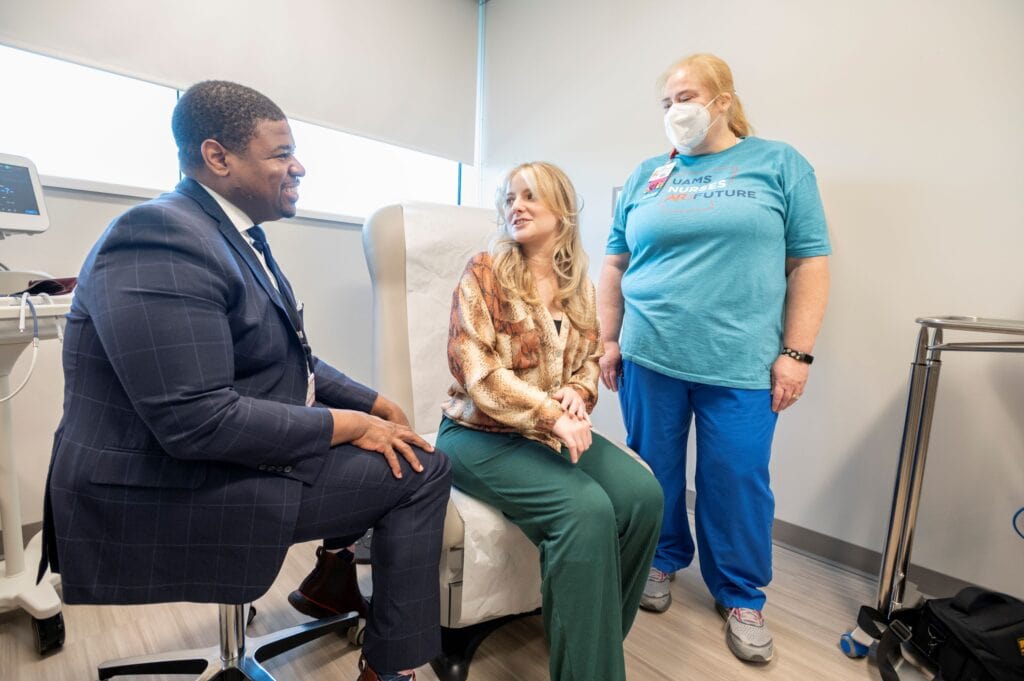
The UAMS Translational Research Institute (TRI) is pleased to announce that UAMS’ Tiffany Miles, Ph.D., and Ellen van der Plas, Ph.D., have received one-year TRI pilot grants of $25,000 each.

Miles is a postdoctoral fellow in the College of Medicine Department of Neurobiology and Developmental Science. The grant will support a project she developed in collaboration with the Boys, Girls, Adults, Community Development Center (BGACDC) of Marvell as part of TRI’s Community Based Participatory Research (CBPR) Scholars Program. 

The project, “Community Developed and Implemented Obesity Interventions in Marvell, AR,” aims to develop a community-led obesity intervention program and develop ideas for sustaining the intervention.

Miles was the academic partner on one of six teams that completed the two-year CBPR training program, which involves collaborations between UAMS-affiliated researchers and community-based organizations to address health disparities and promote community health and well-being.

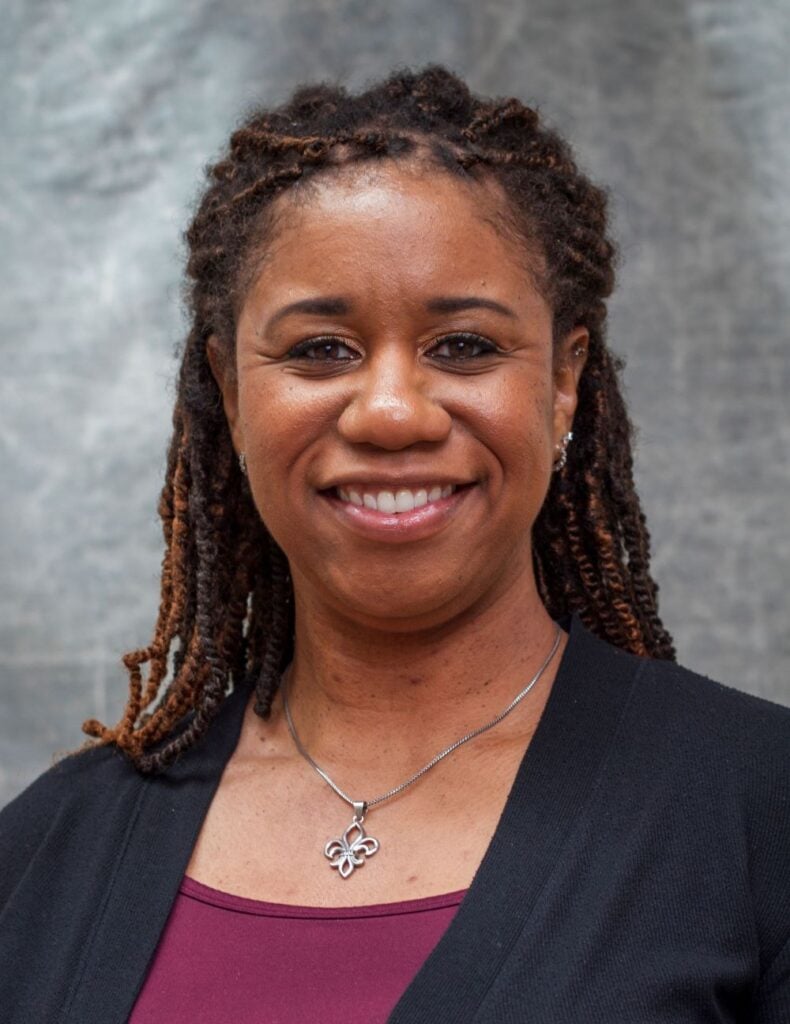
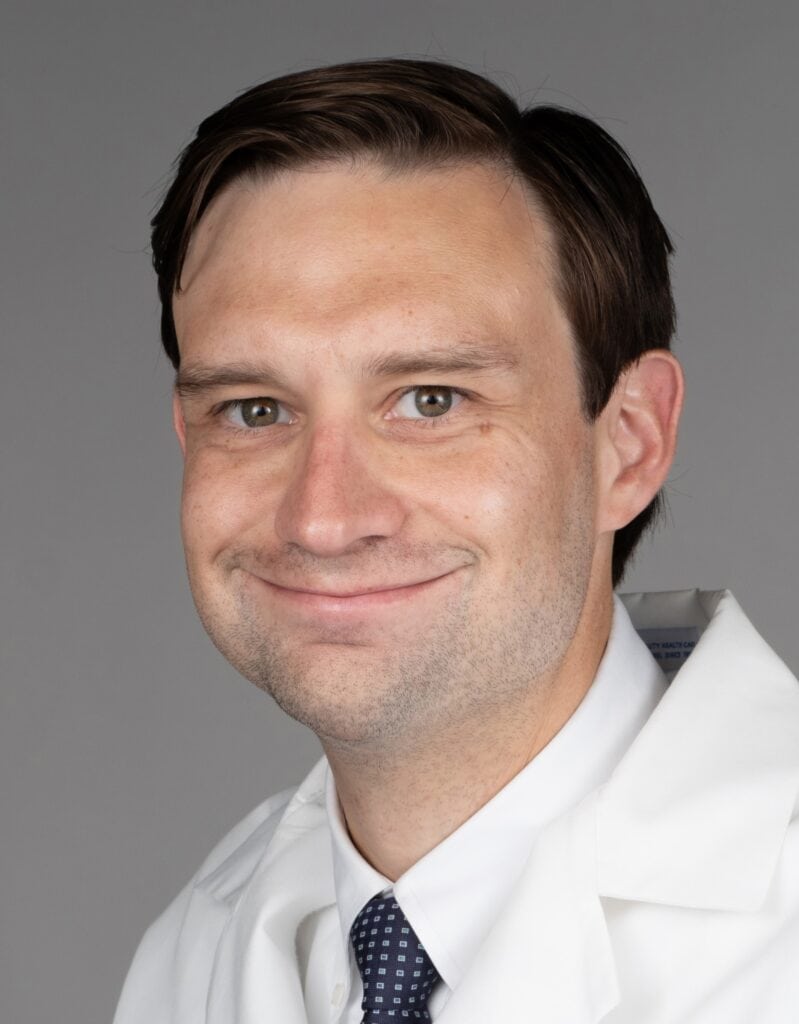
Ellen van der Plas, Ph.D.

Miles is also a 2023 graduate of the two-year TRI Health Sciences Innovation and Entrepreneurship (HSIE) Training Program.

Van der Plas is a neuroscientist and associate professor of pediatric hematology/oncology in the College of Medicine Department of Pediatrics. Her research project, “SONIC Teens: Sickle Cell Neurological Impact and Cognition in Teenagers,” aims to identify neurodevelopmental abnormalities in adolescents ages 12-17 with sickle cell disease using a neurocognitive testing, behavioral assessments, neuroimaging and quantification of protein markers of brain health. She hopes the study will generate compelling data for a National Institutes of Health (NIH) R01 award application. For more information about funding opportunities available through TRI, please visit TRI.uams.edu.

Filed Under: Front, News, Newsroom

TRI Announces Six K12 Scholars for 2024-2026

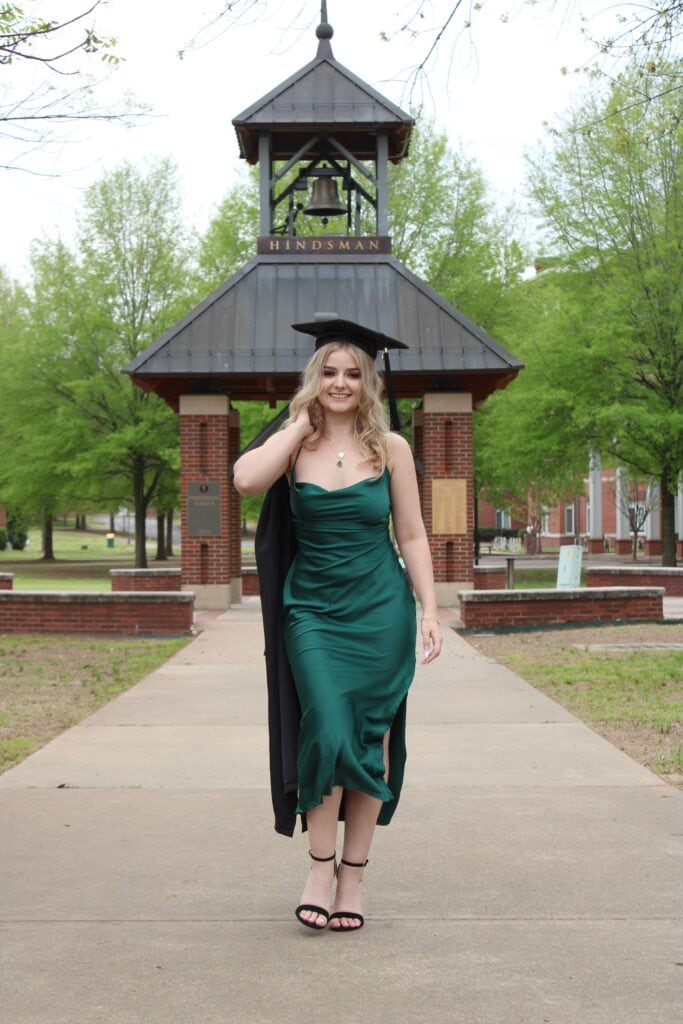
Lauren Appell, M.D.
Lauren Appell, M.D.

Six early-career researchers have been selected to receive two years of funded translational research training and support in TRI’s K12 Mentored Research Career Development Scholar Awards Program.

The promising junior faculty researchers were selected for the 2024-2026 program through a competitive application process. K12 (formerly KL2) scholars receive two years of mentored translational research training, 75% salary support and up to $25,000 a year for research, tuition, travel and education.

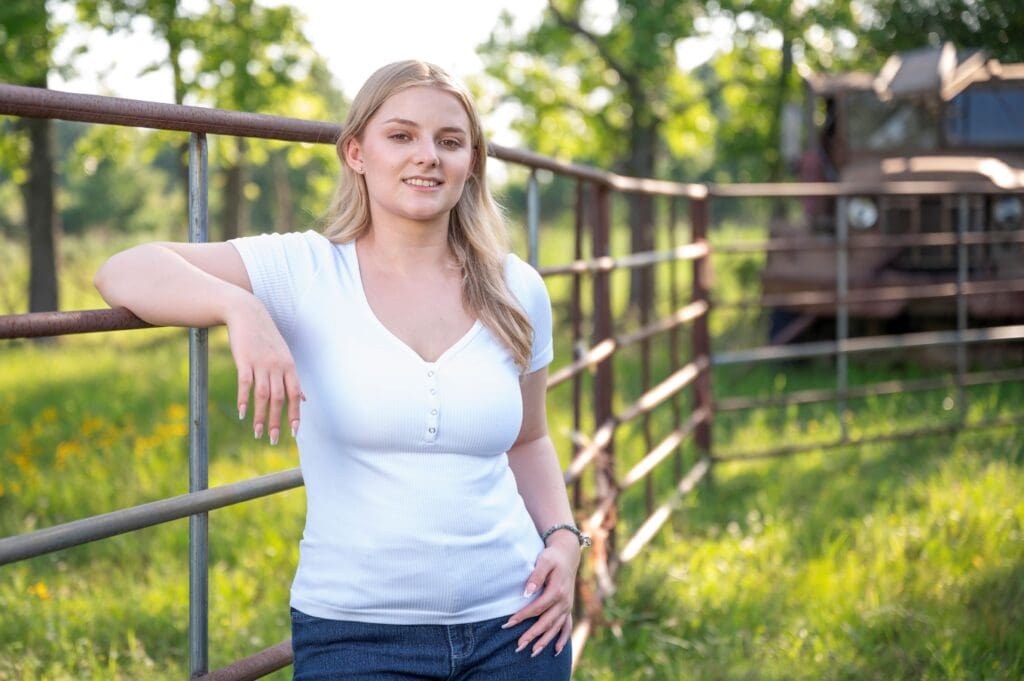
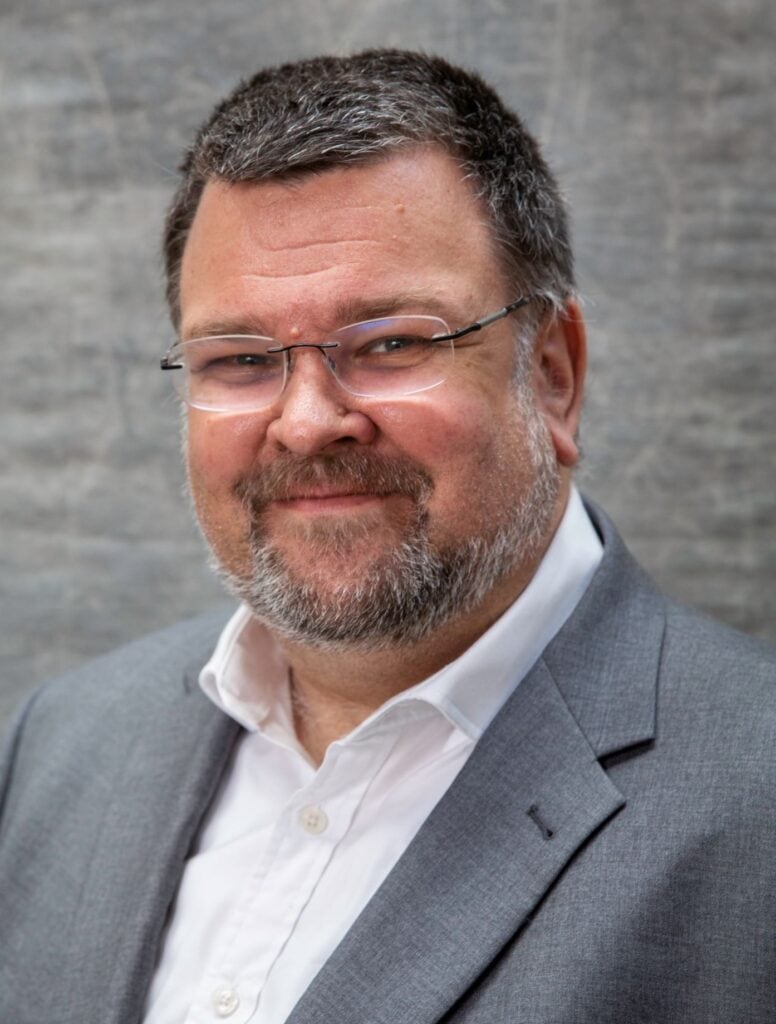
Shiloah Kviatkovsky, Ph.D.

Funding for the program comes from TRI, supported by a Clinical and Translational Science Award from the NIH National Center for Advancing Translational Sciences, as well as the UAMS College of Medicine, UAMS Winthrop P. Rockefeller Cancer Institute and Arkansas Children’s Research Institute (ACRI).

The scholars, their project titles and mentors are:

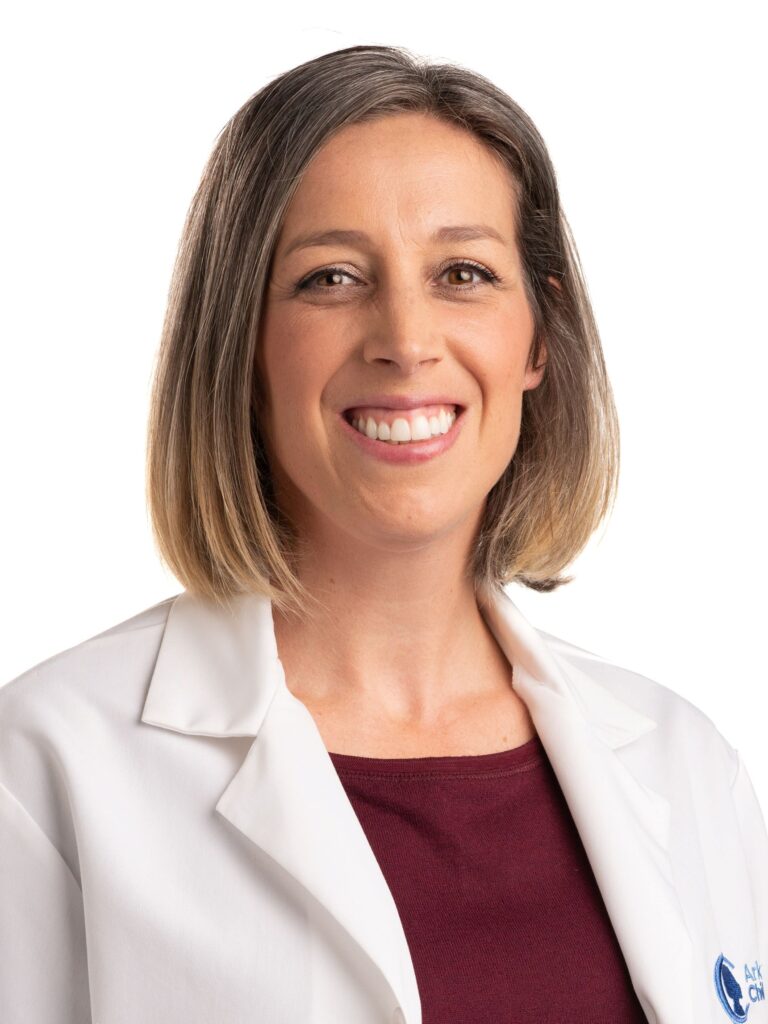
Lauren Appell, M.D., assistant professor, College of Medicine Department of Pediatrics, based at ACRI

Project: STRONGER ALL: An Early Exercise Regimen for Pediatric Patients with Acute Lymphoblastic Leukemia (ALL)

Ramey Moore, Ph.D.
Ramey Moore, Ph.D.

Mentor: Ellen van der Plas, Ph.D., associate professor of hematology/oncology, based at ACRI

Shiloah Kviatkovsky, Ph.D., assistant professor, College of Medicine Department of Orthopaedics.
Project: Effects of Collagen Supplementation on Surgical Outcomes Following TKA

Mentor: Roy Morello, Ph.D., associate professor, College of Medicine departments Physiology & Cell Biology, Orthopaedic Surgery, and the Division of Genetics.

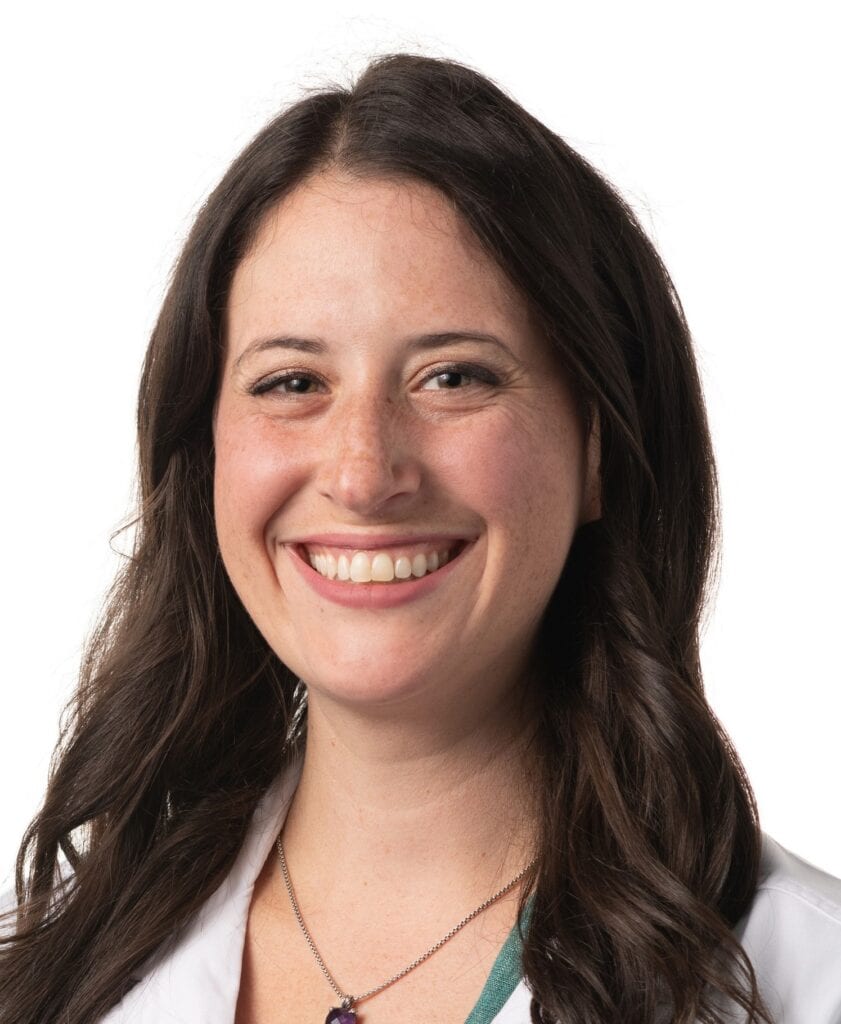
Ramey Moore, Ph.D., assistant professor, College of Medicine Department of Internal Medicine, Institute for Community Health Innovation.

Bernard Muriithi, Ph.D.

Project: Enhancing HPV Vaccine Recommendations in Clinics Serving Rural Arkansans

Mentor: Geoffrey Curran, Ph.D., professor, College of Pharmacy Department of Pharmacy Practice; professor, College of Medicine Department of Psychiatry

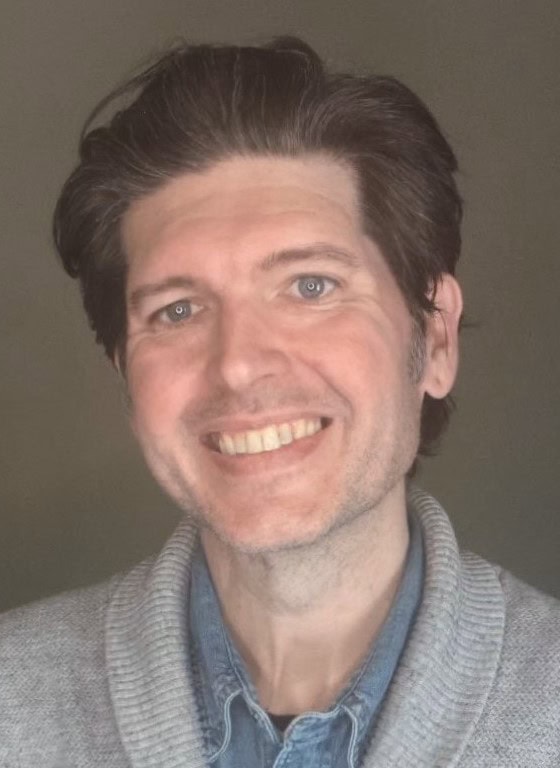
Bernard Muriithi, Ph.D., assistant professor, College of Health Professions Department of Occupational Therapy

Project: Adapted Lifestyle Redesign for Diabetes Management

Mentor: Steven Wheeler, Ph.D., Ed.D., department head, Communication Disorders and Occupational Therapy, University of Arkansas, Fayetteville (effective 7-1-24) 

Mollee Steely Smith, Ph.D.

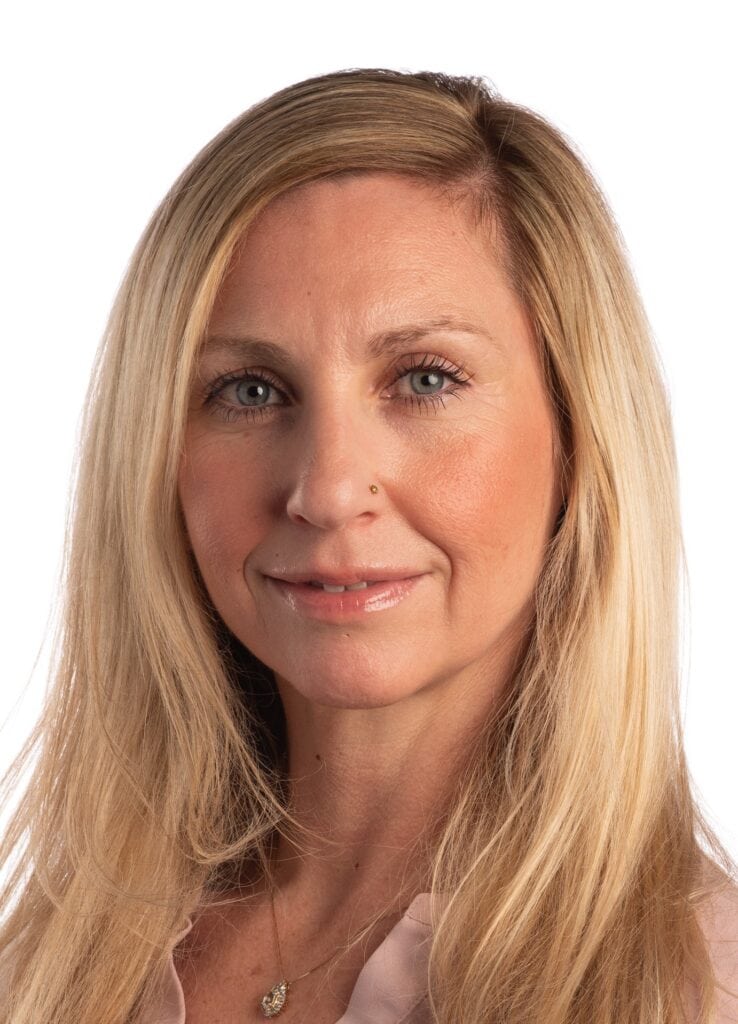
Mollee Steely Smith, Ph.D., assistant professor, College of Medicine Department of Psychiatry

Project: Adaptation and Implementation of an Evidence-Based Parenting Intervention for Postpartum Women Receiving Medications for Opioid Use Disorder

Mentor: Michael Cucciare, Ph.D., professor, College of Medicine Department of Psychiatry

James Williams, M.D., assistant professor, College of Medicine Department of Pediatrics, based at ACRI.

James Williams, M.D.

Project: scRNA seq Analysis of Lower Respiratory Tract Immune Cells to Uncover Immuno-Endotypes in Sepsis-Associated Pediatric Acute Respiratory Distress Syndrome

Mentor: Brian Varisco, M.D., vice chair of Research and professor of Pediatric Critical Care Medicine, College of Medicine Department of Pediatrics

Filed Under: Front, News, Newsroom

Ready to WIN the Summer? The 2024 Summer Writing Challenge Is Nigh!

Get ready to make this summer your winning season! The TRI 2024 Summer Writing Challenge begins in just 24 days! 

Join your research colleagues for this friendly competition with a chance to win one or more great prizes and burnish your reputation as well as your tenure portfolio. 

You are eligible to participate if you have received any TRI funding or other TRI research services since Jan. 1, 2019.

Please submit your manuscripts here starting June 1 through Aug. 31.

Check out our helpful writing resources! 

Got questions? Please contact Nikolas Berardi, NDBerardi@uams.edu.

Let’s make this summer one for the record books!

Filed Under: Front, News, Newsroom

The TRIbune Is Here!

UAMS’ Susan Emmett, M.D., invited the TRI Research Day 2024 audience to “join us in changing the world.”

In our April TRIbune, we feature TRI Research Day 2024, a gathering of more than 100 researchers from across UAMS’ research enterprise. This third annual event at the Little Rock Marriott included powerhouse keynote speakers Susan Emmett, M.D., MPH, and Al Richmond, MPW, as well as outstanding oral presentations by TRI-supported faculty and postdoctoral trainees. The day wrapped up with a lively poster session and presentations to the poster contest winners.

This issue also includes comments from several attendees who shared their thoughts about Research Day.  

In addition, we announce the six teams of UAMS researchers and community partners that graduated from the TRI Community-Based Participatory Research (CBPR) Scholars Program.  

Read The TRIbune.

Filed Under: Front, News, Newsroom

TRI-Supported Researchers Participate in, Compete at Translational Science 2024

Jenny Rumpel, M.D., a TRI KL2 scholar, competes in the Three Minute Thesis at the national Translational Science 2024 meeting.
TRI KL2 scholar Jenny Rumpel, M.D., competes in the Three Minute Thesis at the national Translational Science 2024 meeting.

TRI took a strong contingent of UAMS researchers to the national Translational Science 2024 meeting, including two TRI KL2 scholars who qualified to compete in the Three Minute Thesis (3MT®), part of the event sponsored by the Association for Clinical and Translational Science (ACTS).

The annual meeting on April 2-5 drew over 1,200 researchers and staff from across the United States representing more than 60 Clinical and Translational Science Awards (CTSA) institutions and several non-CTSA clinical research organizations.

TRI’s 3MT® competitors, Nakita Lovelady, Ph.D., and Jenny Rumpel, M.D., both supported by KL2 Mentored Research Career Development Program Scholar Awards, were among the TRI-supported investigators and TRI staff at the ACTS meeting in Las Vegas. Lovelady, an assistant professor in the Fay W. Boozman College of Public Health, presented her implementation of Arkansas’ first Hospital-based Violence Intervention Program. Rumpel, an assistant professor in the College of Medicine Department of Pediatrics, presented how acute kidney injury contributes to infant mortality.

TRI KL2 scholar Nakita Lovelady, Ph.D., competes in the Three Minute Thesis at Translational Science 2024.

The 3MT® is an academic research communication competition developed by The University of Queensland (UQ), Australia that cultivates students’ academic, presentation and research communication skills.

Two other TRI KL2 scholars, Timothy “Cody” Ashby, Ph.D., and Alicja Urbaniak, Ph.D., had poster abstracts that ranked in the event’s top 50 of 560 posters displayed, a recognition that placed them in an elite group of oral presenters.  

TRI KL2 scholar Alicja Urbaniak, Ph.D., with her poster at Translational Science 2024.

Ashby, an assistant professor in the College of Medicine Department of Biomedical Informatics, presented his poster, titled, “Unraveling the Impact of Alternative Splicing in Multiple Myeloma.”

Urbaniak, an instructor in the College of Medicine Department of Biochemistry and Molecular Biology, presented her poster, “Beyond Antibiotics: Monensin and its Derivatives as Promising Anti-Breast Cancer Agents.”

“Translational Science 2024 was a great opportunity for trainees, early-career researchers and CTSA staff from across the country to connect and learn from each other,” said TRI Executive Director Christi Madden, MPA, who was a panel presenter at the Research Operations and Administration Special Interest Group meeting.  

TRI’s Mathias Brochhausen, Ph.D., and Mario Schootman, Ph.D., served as judges for the 3MT® competition. Brochhausen leads TRI’s Pilot Translational and Clinical Studies Program and is a professor in the Department of Biomedical Informatics. Schootman co-directs TRI’s Translational Workforce Development Program and is a professor in the College of Medicine Department of Internal Medicine, Division of Community Health and Research.

TRI's Paul Duguid, MPH, presents a poster about TRI's Strategies for Training and Advancing underrepresented Researchers (STARS) Program.
TRI’s Paul Duguid, MPH, presents a poster about TRI’s Strategies for Training and Advancing Researchers (STARS) Program.

Antiño Allen, Ph.D., TRI associate director of Pathway Initiatives, and Paul Duguid, MPH, TRI director of Research Programs, co-presented a poster on TRI’s Strategies for Training and Advancing Researchers (STARS) program.

TRI KL2 scholar Brian Piccolo, Ph.D., discusses his poster at Translational Science 2024.

TRI’s Crystal Sparks, MSAM, assistant director of programs, presented a poster with colleagues in the CTSA External Reviewer Exchange Consortium (CEREC) team on how translational research vs. translational science is perceived by topic experts in CTSA-funded pilot projects.

Other UAMS-affiliated researchers representing TRI were:

  • John Arthur, M.D., Ph.D., and Elisabet Borsheim, Ph.D., co-directors of the KL2 program
  • Kevin Sexton, M.D., and John Imig, Ph.D., co-directors of the TRI TL1 Health Sciences Innovation and Entrepreneurship (HSIE) Program.
  • Tiffany Haynes, Ph.D., director of the TRI Community Engagement Program, and Keneshia Bryant-Moore, Ph.D., APRN, co-director of the program
  • Anna Huff-Davis, chair of the TRI Community Advisory Board and a TRI community liaison.
  • KL2 scholars: Jennifer Anderson, Ph.D., Nishank Jain, M.D., Michail Mavros, M.D., Brian Piccolo, Ph.D., Katy Allison, Ph.D., Akilah Jefferson, M.D., Megha Sharma, M.D., and Deepa Raghavan, M.D.
  • HSIE trainees: David Church, Ph.D., Lauren Russell Fitzgerald, Ph.D., Ashley Pike, Ph.D., Stephen Shrum, Ph.D., Henry Palfrey, Ph.D., and Tiffany Miles, Ph.D.
  • Taren Swindle, Ph.D., TRI Implementation Science Scholars Program faculty representative and KL2 scholar graduate.

Filed Under: Front, News, Newsroom

Research Day 2024 Poster Winners and Testimonials!

Poster Contest Winners

TRI Director Laura James, M.D., concluded Research Day 2024 with the presentation of poster awards in four categories, selected by a four-judge panel of UAMS faculty. The winners and poster titles are:

David Church, Ph.D., tied for Best Overall Content.

Best Overall Content (tie):

David Church, Ph.D., assistant professor, College of Medicine Department of Geriatrics; a TL1 TRI Health Sciences Innovation and Entrepreneurship Program trainee and TRI Strategies for Training and Advancing Researchers (STARS) Program participant.

Muscle Protein Synthesis and Whole-Body Protein Balance Following Ingestion of Beef or a Soy Protein Based Meat Alternative

Stephen Shrum, Ph.D., tied for Best Overall Content.

Stephen Shrum, Ph.D., TL1 postdoctoral trainee in the TRI TL1 Health Sciences Innovation and Entrepreneurship Program; College of Pharmacy Department of Pharmaceutical Sciences.

Development of a Novel Tocotrienol Analogue, Tocoflexol, as a Radiomitigator

Best Overall Visual:

Akilah Jefferson, M.D.

Akilah Jefferson, M.D., M.Sc., assistant professor, College of Medicine Department of Pediatrics, Division of Allergy and Immunology; TRI KL2 Mentored Research Career Development Scholar Award Program scholar (KL2 scholar).

Association of Asthma Specialty Care and Adverse Outcomes for Children Enrolled in the Arkansas Medicaid Program

Best Overall Impact:

Timothy “Cody” Ashby, Ph.D., assistant professor, College of Medicine Department of Biomedical Informatics, KL2 scholar.

Unraveling the Impact of Alternative Splicing in Multiple Myeloma

Timothy "Cody" Ashby, Ph.D., won Best Overall Impact.
Timothy “Cody” Ashby, Ph.D., won Best Overall Impact.

People’s Choice:

Megha Sharma, M.D., M.S., assistant professor in the College of Medicine Department of Pediatrics, Division of Neonatology, KL2 Scholar

Objectively Assessed Skin Color and Its Association with Pulse Oximeter Bias in Critically Ill Infants

Megha Sharma, M.D., (left) was presented the People's Choice Award by TRI Director Laura James, M.D.
Megha Sharma, M.D. (left), won the People’s Choice Award, presented by TRI Director Laura James, M.D.

Winners of the Content, Visual and Impact awards received certificates for their choice of an electronic manuscript submission or support for design of a research poster via TRI, and the People’s Choice winner received a certificate for manuscript submission fee support up to $2,000.

Talking About Research Day

Research Day was an opportunity for investigators and research staff to network, gather ideas and feed off the enthusiasm of their peers. Here is what some had to say:

“Research Day gives us an opportunity to mingle with like-minded research professionals, voice our achievements, seek advice from our counterparts, and brainstorm together to find answers to lingering questions. More than that, these gatherings spur new collaborations, ideas and connections.” – Laura Adkins, MAP, CCRP, CCRA, CRS, AdvCRS, director, UAMS Office of Research Regulatory Affairs

“It was great to see what so many other people are doing. This is one of those events where you find ways to engage with other collaborators and come up with creative solutions to problems.” – Jocelyn Anderson Ph.D., RN, associate professor, UAMS College of Nursing

“Having a Research Day like this is very helpful because we all do our research in different locations and we rarely get a chance to talk to each other. When you come here and attend some of these research meetings, you get to hear about basic science, clinical science and community partnered projects.” –  Shruti Tewar, M.D., MPH, associate professor of pediatrics and a TRI implementation science scholar.

“The Research Day was the first conference I attended after joining UAMS two months ago. It was very well organized, and I learned a lot from presentations and meeting with new colleagues. Specifically, I am impressed by the translational effort of the TRI, which brings researchers across the campus together. As a molecular cancer epidemiologist, I hope to integrate more molecular tools into population-based research and contribute to the ongoing success of the TRI.” – Yong Zhu, Ph.D., professor, Fay W. Boozman College of Public Health, and associate director for population science and translational science, Winthrop P. Rockefeller Cancer Institute

“This is a wonderful way to learn about all of these other researchers and clinicians that have similar stories like mine. They’re implementing research that they are so passionate about, and they are overcoming barriers and creating their own pathway to get to their dream.”  – Ashley Pike, Ph.D., postdoctoral fellow, TRI Health Sciences Innovation and Entrepreneurship Program trainee

“Coming from a basic science background, I really appreciated the examples of how researchers have involved the community in their research. That and the networking opportunities have provided me with new ideas and resources to help guide my research to the next translational step. Ultimately, I want my research to impact human health in a meaningful way and it seems that Research Day was beneficial in this regard.” – Brian Piccolo, Ph.D., assistant professor of pediatrics, Arkansas Children’s Nutrition Center, and TRI KL2 scholar and pilot grant recipient

“As one of the program evaluators of the TRI, it was wonderful to watch the presentations and see the exceptional work being done by the TRI scholars. Hearing the scholars talk about their experiences and the support they received from their mentors demonstrates how well those programs are conducted and the importance of those support networks to produce exceptional research. –  Alex Jauregui-Dusseau, DH.Sc.

Read here about Research Day keynote speakers Susan Emmett, M.D., and Al Richmond, MSW.

Filed Under: Front, News, Newsroom

Research Day Speakers Exhibit, Extol Transformative Change

Susan Emmett, M.D., presented to more than 100 Research Day attendees.
Keynote speaker Susan Emmett, M.D., presented to more than 100 Research Day attendees.
TRI Director Laura James, M.D., welcomes attendees to Research Day.

Research Day 2024 drew enthusiastic applause from the 109 attendees who soaked in illuminating keynote presentations by Susan Emmett, M.D., MPH, and Al Richmond, MSW, as well as novel research discussed in oral presentations and at the poster session featuring TRI-supported researchers.

“This is really a day of celebration where we just show you the tip of the iceberg on many many things that are being accomplished throughout our state in translational research and translational science, ultimately toward improving health outcomes for the citizens of Arkansas,” said TRI Director Laura James, M.D., who welcomed attendees to the third annual event on March 26.

Keynote speaker Al Richmond, MSW, encouraged researchers to seek out transformative experiences and ensure equity in their work.

Richmond is executive director of Community-Campus Partnerships for Health, which was founded in 1998 to promote health equity and social justice through partnerships between communities and academic institutions. He is co-principal investigator of the North Carolina Community Engagement Alliance Project and the Community Engagement Alliance Consultative Resource.

He encouraged attendees to seek out transformative experiences, meaningful outcomes in their research, and health equity.

“I want you throughout the day and long after I’m gone to just hold on to that vision for equity in your work,” Richmond said. “Work with your teams and ask yourself this question: ‘If you don’t do anything else, how are we advancing equity or how are we hindering or not achieving equity?’”

‘The Extra Mile’
Emmett’s work is an exemplar of Richmond’s vision.

As founder and director of the UAMS Center for Hearing Health Equity – the first of its kind in the world – she is leading a large-scale implementation project that will bring hearing care to rural Arkansas and other states. The project is built on years of research and overcoming barriers, from restrictive health policies to technology and cost limitations. Before joining UAMS in 2022, she spent three years leading a foundational randomized trial in this area in rural Alaska, where the prevalence of hearing loss, primarily from childhood ear infections, is six-to-nine times the U.S. average.

“We can’t do research for research’s sake, because then we have stopped short of real-world impact,” said Emmett, an associate professor of otolaryngology and epidemiology. “It’s about going that last mile, creating the evidence, and then working with policymakers to ensure that it is put into practice to actually change lives.”

With collaborators across the globe, she aims to significantly reduce the burden of travel and other issues that prevent hearing loss diagnosis and treatment.

She noted that even mild hearing loss doubles the risk of dementia as well as the risk of unemployment. It also triples the risk that a child won’t graduate from high school, yet 70% of children identified with possible hearing loss in schools are lost to follow-up and never enter the healthcare system for treatment. About 80% of individuals with hearing loss worldwide live in rural and underserved settings.

Bringing it Home
“We are bringing innovations home to transform health care delivery right here in this state,” said Emmett, founder and director of Global Hearing Loss Evaluation, Advocacy and Research (HEAR) Collaborative, a multidisciplinary group with collaborators from 28 countries. “I invite you to join us; join us in changing the world. Research has the capacity to change the way that health care is delivered in rural America and beyond.”

She also encouraged the audience’s many research trainees.

“There are so many opportunities for you to create lasting change with the work that you are doing,” said Emmett, who is also the founder and director of HEAR – USA, a national research network dedicated to addressing disparities in hearing loss in underserved and minority U.S. populations. “We have trainees involved in every single project that we do, and we tailor educational experiences for our trainees to fit perfectly with the work that they are doing academically so that they have exposure to real-world research.”

Read here about the Research Day poster winners and testimonials from attendees.

Eight Oral Presentations Highlight Work in TRI-Supported Programs

Research Day 2024 included oral presentations from eight researchers in four TRI-supported programs, listed below with their presentation titles:

KL2 Mentored Research Career Development Program Scholars

Megha Sharma, M.D., M.S., assistant professor, College of Medicine Department of Pediatrics, Division of Neonatology

Objectively Assessed Skin Color and its Association with Pulse Oximeter Bias in Critically Ill Infants

Nakita Lovelady, Ph.D., MPH, assistant professor, Fay W. Boozman College of Public Health Department of Health Behavior and Health Education

A Path Forward: Exploring Implementation of a Hospital-based Violence Intervention Program in Rural Arkansas


TL1 Health Sciences Innovation and Entrepreneurship Program Trainees

Lauren Fitzgerald, Ph.D., postdoctoral fellow, College of Medicine Department of Psychiatry

Path to Hidalga

Stephen Shrum, Ph.D., postdoctoral fellow, College of Pharmacy Department of Pharmaceutical Sciences

Development of a Novel Tocotrienol Analogue, Tocoflexol, as a Radiomitigator


Pilot Awardees

Karen Dickinson, M.D., Ed.D., director, IPE Simulation and Clinical Skills Training, UAMS Office of Interprofessional Education; assistant professor, College of Medicine Department of Surgery

Simulation for Training Team Response to Patient Prejudice Towards Providers

Chenghui Li, Ph.D., associate professor, College of Pharmacy Department of Pharmacy Practice

Assessing Sampling Bias of the Arkansas All-Payer Claims Database (APCD) and its Linkage with Arkansas Cancer Registry


Implementation Science Scholars

Amit Agarwal, M.D., associate professor, College of Medicine Department of Pediatrics, Section of Pediatric Pulmonary and Sleep Medicine

Enhancing Care for Children Requiring Long-term Home Mechanical Ventilation: A Multidisciplinary Team Approach with Simulation-Based Training

Shipra Bansal, M.D., associate professor, College of Medicine Department of Pediatrics, Division of Pediatric Endocrinology and Diabetes

Implementing Standardized BONE Health Care Guidelines in Children with Duchenne Muscular Dystrophy

Filed Under: Front, News, Newsroom

National Journal Devotes Issue to Project Led by TRI’s Laura James, M.D.

UAMS Translational Research Institute (TRI) Director Laura James, M.D., concluded her tenure as co-chair of the national Clinical and Translational Sciences Award (CTSA) Steering Committee in December with an effort aimed at making clinical trials more informative and of higher quality. Her work, and those of other CTSA leaders, appears in a themed issue of the Journal of Clinical and Translational Science (JCTS), published in February.

Leading a team of five guest editors from CTSA institutions across the United States, James served as the first author of the journal issue’s editorial, “Scientia Pro Bono Humani Generis: Science for the Benefit of Humanity,” which introduces readers to the emphasis of the February issue.

The work was inspired by a 2019 paper in the Journal of the American Medical Association entitled, “Harms from Uninformative Trials.” The JAMA authors defined an uninformative trial as one lacking in meaning by the patient, clinician, researcher or policymaker.

In the JCTS editorial, James and her co-authors acknowledge the problems associated with uninformative clinical trials, writing, “Academic health organizations, funding agencies, and clinical trialists have been challenged to optimize clinical trial informativeness, and quality issues continue to plague the development and conduct of clinical trials.”

Multiple potential solutions are offered in the journal’s manuscripts, which highlight innovations for enhancing the informativeness and quality of clinical trials.

One example for improving clinical trial efficiency is the use of adaptive trials, James said. Adaptive trials use prespecified rules to modify the course of a trial and to optimize it based on the incoming results.

“Adaptive trial designs are a new approach to clinical trials that are moving us away from traditional double-blind placebo-controlled trials,” James said.

Infrastructure, training, participant recruitment and other factors are addressed in the report.

“We looked at multiple aspects of uninformative clinical trials in this issue, so we addressed common problems at the institutional as well as the study level,” James said. “We’re asking, what are the academic health organizations doing to ensure that their trials are of the highest quality, and are they really going to have an impact on human health?”

“As stewards of public funds that support the development of clinical trials, it is critical that we optimize clinical trial designs so that we create trials that move us forward in improving the health of individuals and communities,” she said.

Filed Under: Front, News, Newsroom

TRI Seeks Applications for Two New Pilot Grant Opportunities – Information Sessions Set for April 23 and May 7

TRI is pleased to announce its new Clinical and Translational Science Pilot Program (CTSP2) with two grant opportunities for 2024:

  • Collaborative Clinical and Translational Science Pilot Program. This funding will support team approaches in translational science among mid-level and senior faculty in durable collaborations and generate data to advance to extramural funding. Budgets up to $50,000 for a one-year period will be considered.
  • Early Career Clinical and Translational Science Pilot Program. This funding will support projects by early-career faculty that generate critical data to improve competitiveness for future extramural funding.  Budgets up to $25,000 for a one-year period will be considered.

The CTSP2 seeks proposals for projects that include one or more principles of translational science as defined here by the National Center for the Advancement of Translational Sciences (NCATS).

The Letter of Application deadline has been extended to Monday, May 13. All projects funded under these pilot programs must be completed by June 30, 2025. 

Please attend a Q&A session to learn more about these funding opportunities on Tuesday, April 23 at 2 p.m., or Tuesday, May 7 at 11 a.m.  Register here.

Learn more at the TRI website.

View the Funding Opportunity Announcement (FOA) for mid-level and senior faculty.

View the FOA for early career investigators.

Contact: Hailey Rogers, HRogers@uams.edu.

Filed Under: Front, News, Newsroom

  • «Previous Page
  • Page 1
  • Interim pages omitted …
  • Page 5
  • Page 6
  • Page 7
  • Page 8
  • Page 9
  • Interim pages omitted …
  • Page 48
  • Next Page»
Translational Research Institute LogoTranslational Research InstituteTranslational Research Institute
Mailing Address: 4301 West Markham Street, Little Rock, AR 72205
Phone: (501) 686-7000
  • Facebook
  • X
  • Instagram
  • YouTube
  • LinkedIn
  • Pinterest
  • Disclaimer
  • Terms of Use
  • Privacy Statement
  • Legal Notices

© 2026 University of Arkansas for Medical Sciences