
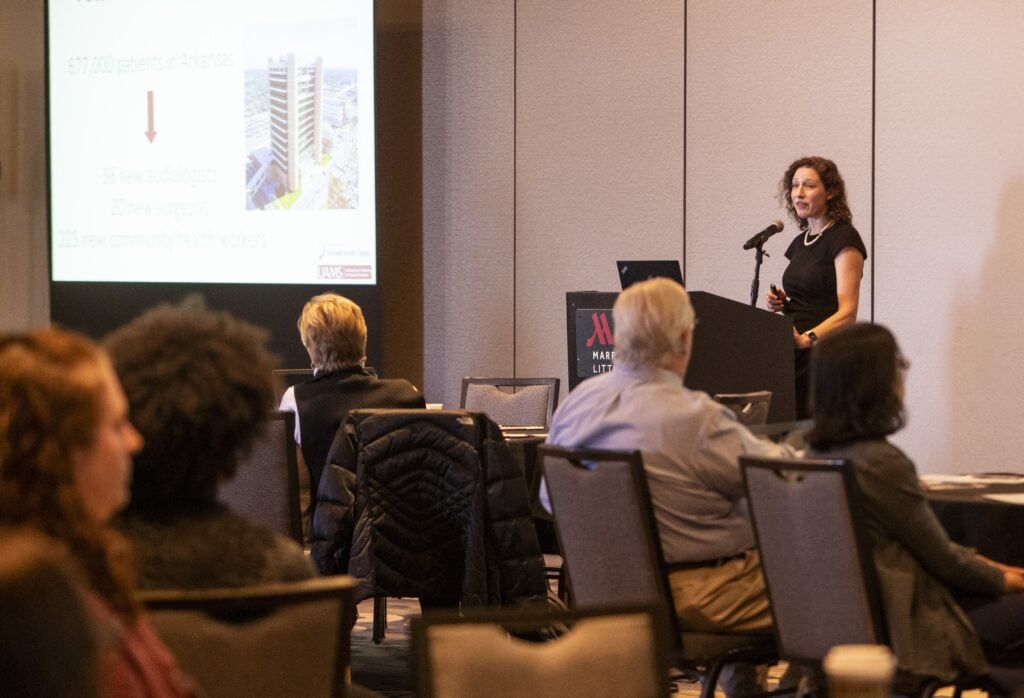
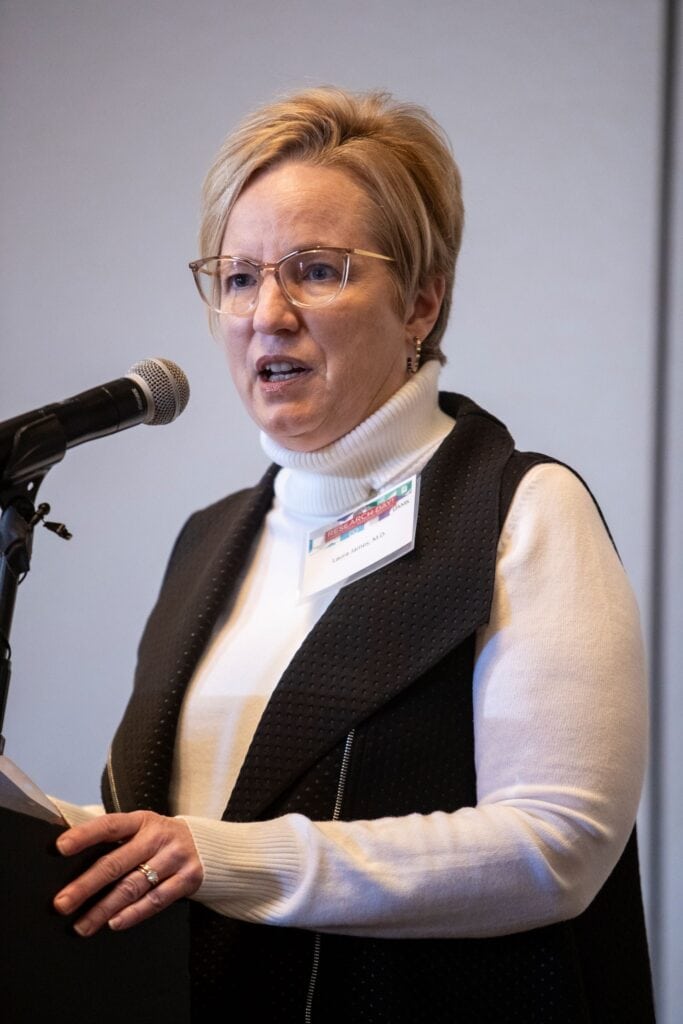
Research Day 2024 drew enthusiastic applause from the 109 attendees who soaked in illuminating keynote presentations by Susan Emmett, M.D., MPH, and Al Richmond, MSW, as well as novel research discussed in oral presentations and at the poster session featuring TRI-supported researchers.
“This is really a day of celebration where we just show you the tip of the iceberg on many many things that are being accomplished throughout our state in translational research and translational science, ultimately toward improving health outcomes for the citizens of Arkansas,” said TRI Director Laura James, M.D., who welcomed attendees to the third annual event on March 26.
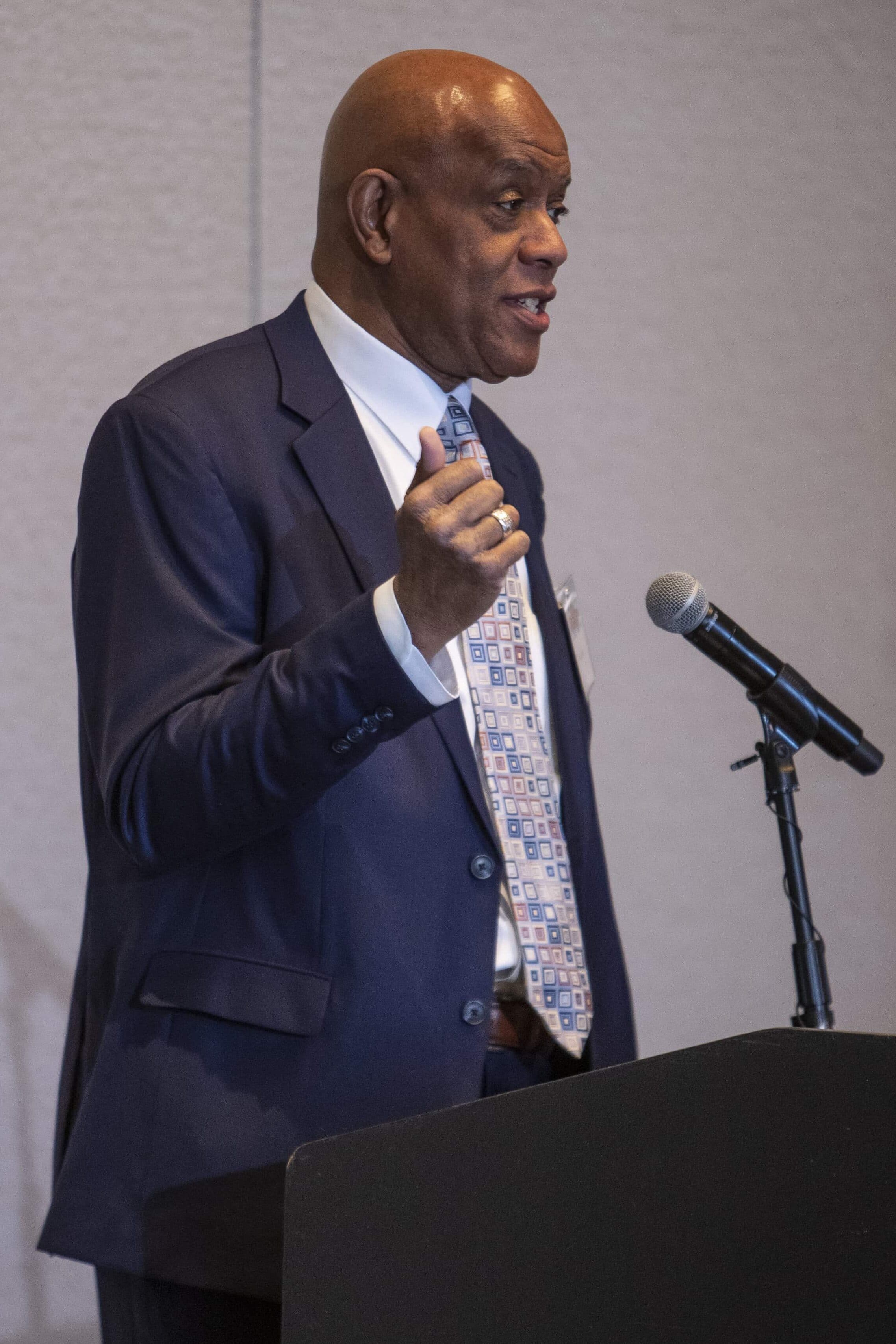
Richmond is executive director of Community-Campus Partnerships for Health, which was founded in 1998 to promote health equity and social justice through partnerships between communities and academic institutions. He is co-principal investigator of the North Carolina Community Engagement Alliance Project and the Community Engagement Alliance Consultative Resource.
He encouraged attendees to seek out transformative experiences, meaningful outcomes in their research, and health equity.
“I want you throughout the day and long after I’m gone to just hold on to that vision for equity in your work,” Richmond said. “Work with your teams and ask yourself this question: ‘If you don’t do anything else, how are we advancing equity or how are we hindering or not achieving equity?’”
‘The Extra Mile’
Emmett’s work is an exemplar of Richmond’s vision.
As founder and director of the UAMS Center for Hearing Health Equity – the first of its kind in the world – she is leading a large-scale implementation project that will bring hearing care to rural Arkansas and other states. The project is built on years of research and overcoming barriers, from restrictive health policies to technology and cost limitations. Before joining UAMS in 2022, she spent three years leading a foundational randomized trial in this area in rural Alaska, where the prevalence of hearing loss, primarily from childhood ear infections, is six-to-nine times the U.S. average.
“We can’t do research for research’s sake, because then we have stopped short of real-world impact,” said Emmett, an associate professor of otolaryngology and epidemiology. “It’s about going that last mile, creating the evidence, and then working with policymakers to ensure that it is put into practice to actually change lives.”
With collaborators across the globe, she aims to significantly reduce the burden of travel and other issues that prevent hearing loss diagnosis and treatment.
She noted that even mild hearing loss doubles the risk of dementia as well as the risk of unemployment. It also triples the risk that a child won’t graduate from high school, yet 70% of children identified with possible hearing loss in schools are lost to follow-up and never enter the healthcare system for treatment. About 80% of individuals with hearing loss worldwide live in rural and underserved settings.
Bringing it Home
“We are bringing innovations home to transform health care delivery right here in this state,” said Emmett, founder and director of Global Hearing Loss Evaluation, Advocacy and Research (HEAR) Collaborative, a multidisciplinary group with collaborators from 28 countries. “I invite you to join us; join us in changing the world. Research has the capacity to change the way that health care is delivered in rural America and beyond.”
She also encouraged the audience’s many research trainees.
“There are so many opportunities for you to create lasting change with the work that you are doing,” said Emmett, who is also the founder and director of HEAR – USA, a national research network dedicated to addressing disparities in hearing loss in underserved and minority U.S. populations. “We have trainees involved in every single project that we do, and we tailor educational experiences for our trainees to fit perfectly with the work that they are doing academically so that they have exposure to real-world research.”
Read here about the Research Day poster winners and testimonials from attendees.

Eight Oral Presentations Highlight Work in TRI-Supported Programs
Research Day 2024 included oral presentations from eight researchers in four TRI-supported programs, listed below with their presentation titles:
KL2 Mentored Research Career Development Program Scholars
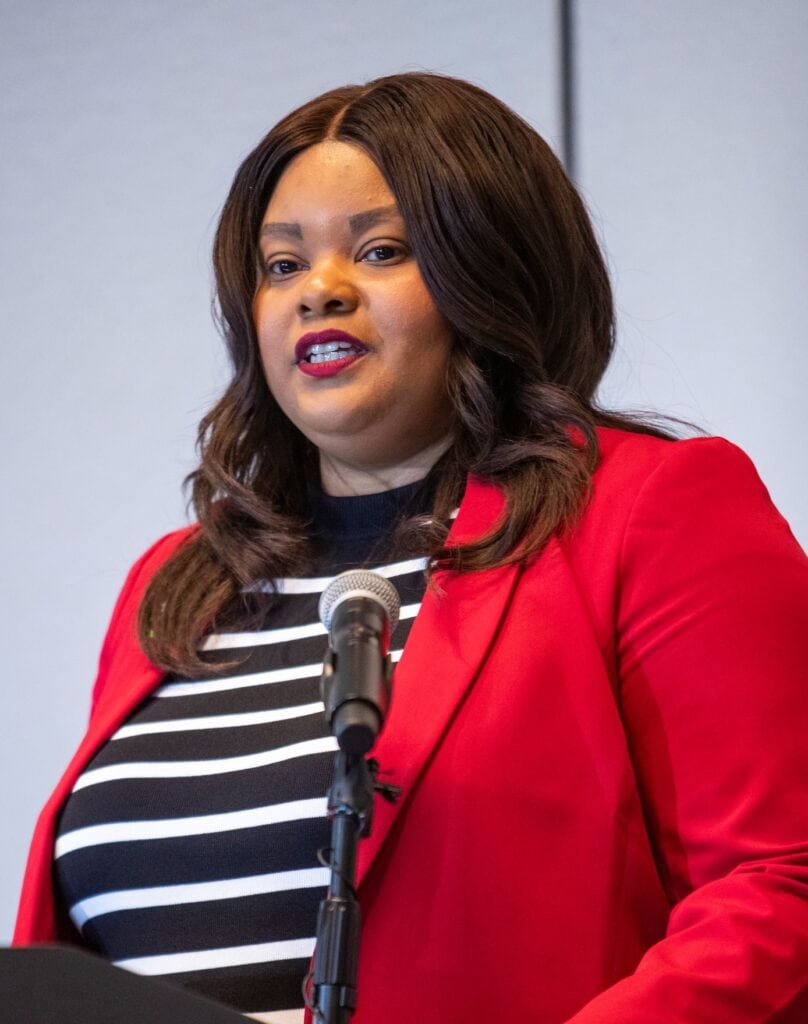
Megha Sharma, M.D., M.S., assistant professor, College of Medicine Department of Pediatrics, Division of Neonatology
Objectively Assessed Skin Color and its Association with Pulse Oximeter Bias in Critically Ill Infants
Nakita Lovelady, Ph.D., MPH, assistant professor, Fay W. Boozman College of Public Health Department of Health Behavior and Health Education
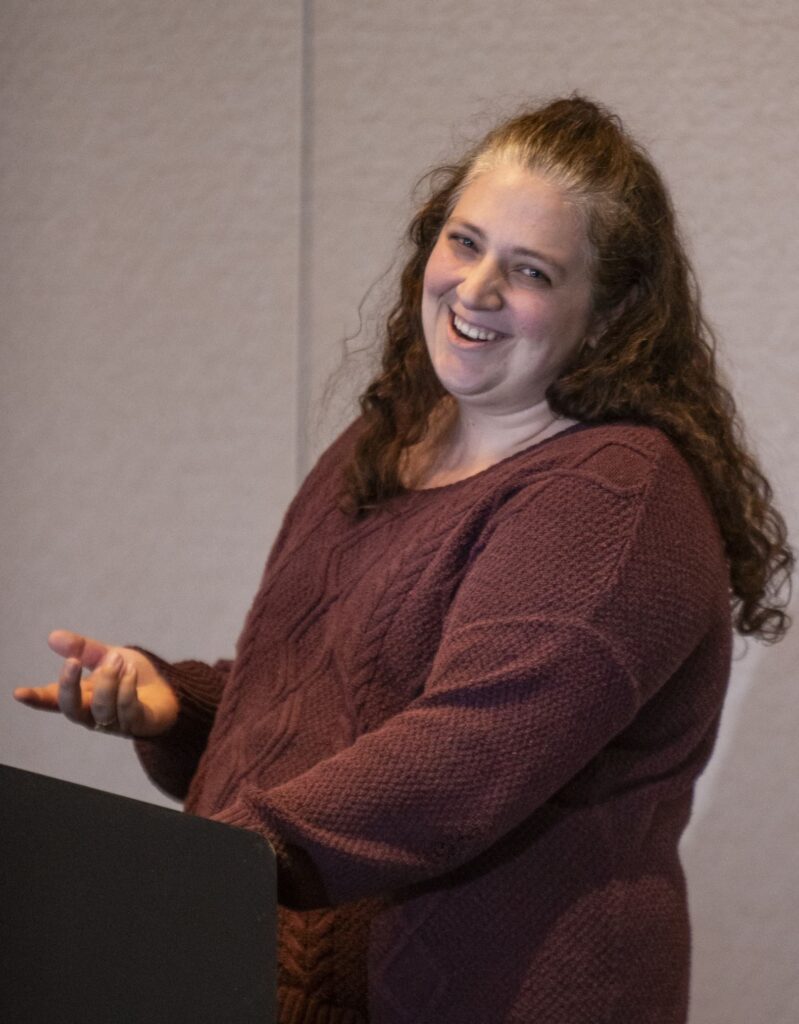
A Path Forward: Exploring Implementation of a Hospital-based Violence Intervention Program in Rural Arkansas
TL1 Health Sciences Innovation and Entrepreneurship Program Trainees
Lauren Fitzgerald, Ph.D., postdoctoral fellow, College of Medicine Department of Psychiatry

Path to Hidalga
Stephen Shrum, Ph.D., postdoctoral fellow, College of Pharmacy Department of Pharmaceutical Sciences
Development of a Novel Tocotrienol Analogue, Tocoflexol, as a Radiomitigator

Pilot Awardees
Karen Dickinson, M.D., Ed.D., director, IPE Simulation and Clinical Skills Training, UAMS Office of Interprofessional Education; assistant professor, College of Medicine Department of Surgery
Simulation for Training Team Response to Patient Prejudice Towards Providers
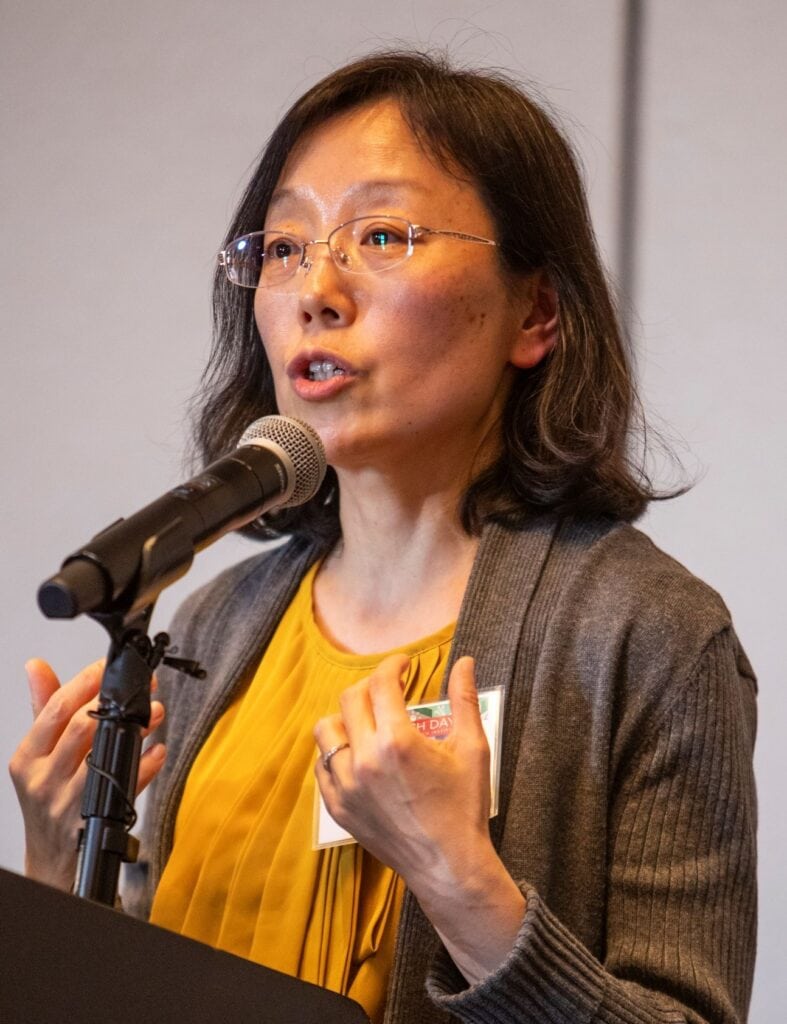
Chenghui Li, Ph.D., associate professor, College of Pharmacy Department of Pharmacy Practice
Assessing Sampling Bias of the Arkansas All-Payer Claims Database (APCD) and its Linkage with Arkansas Cancer Registry
Implementation Science Scholars
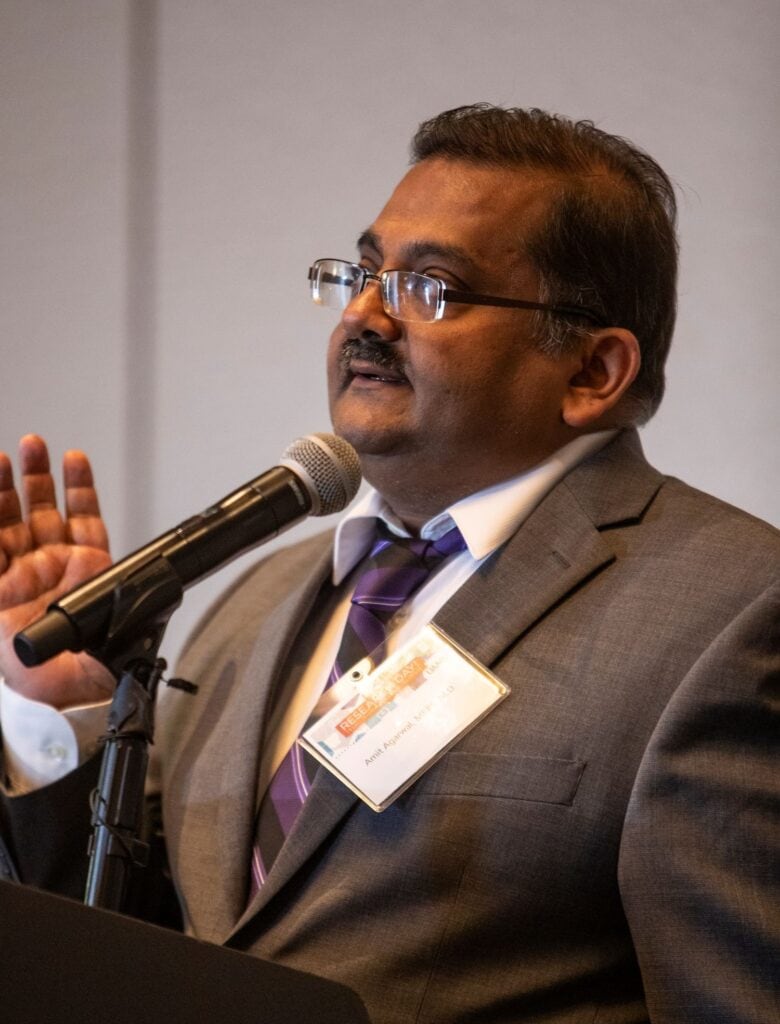
Amit Agarwal, M.D., associate professor, College of Medicine Department of Pediatrics, Section of Pediatric Pulmonary and Sleep Medicine
Enhancing Care for Children Requiring Long-term Home Mechanical Ventilation: A Multidisciplinary Team Approach with Simulation-Based Training
Shipra Bansal, M.D., associate professor, College of Medicine Department of Pediatrics, Division of Pediatric Endocrinology and Diabetes
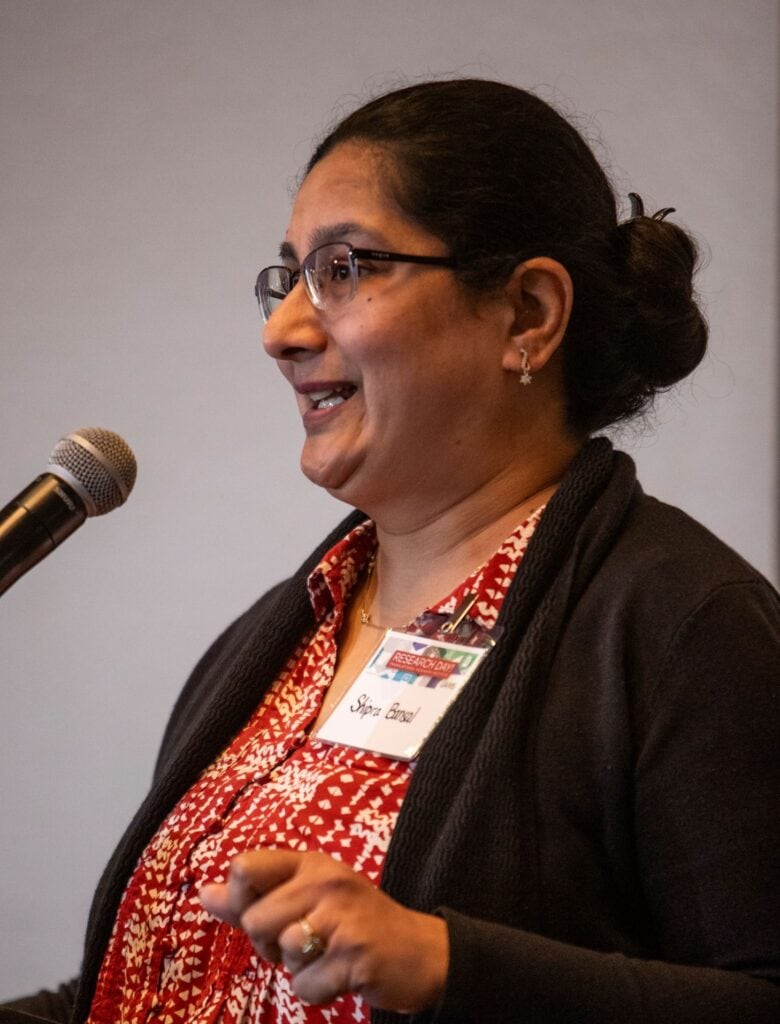
Implementing Standardized BONE Health Care Guidelines in Children with Duchenne Muscular Dystrophy