• Skip to primary navigation
  • Skip to main content
  • Skip to primary navigation
  • Skip to main content
Choose which site to search.
University of Arkansas for Medical Sciences Logo University of Arkansas for Medical Sciences
Translational Research Institute
  • UAMS Health
  • Jobs
  • Giving
  • About TRI
    • What We Offer
    • Leadership & Governance
    • Staff
    • Citing Translational Research Institute CTSA Support
    • What is Translational Research?
    • Contact TRI
  • Funding Opportunities
    • Grants
      • Pilot Award Program
      • ARLife Small Grants Program
      • Team Science Voucher Program
      • Consortium of Rural States (CORES) Multi-Institutional Pilot Award Program
      • Winthrop P. Rockefeller Cancer Institute Rural Research Award Program
    • Scholarships
      • K12 Mentored Research Career Development Scholar Awards Program
      • Health Sciences Innovation and Entrepreneurship Postdoctoral Training Program
      • Implementation Science Scholar Program
      • Strategies for Training and Advancing Researchers (STARs) Program
      • Scholars in Mentored Applied Research & Translational Science (SMART) Program
    • Community
      • Community Based Participatory Research (CBPR) Scholars Program
      • Community Partners Educated as Arkansas Research Leaders (CPEARL) Program
    • Awardee Responsibilities
  • Services & Resources
    • Services
      • Biostatistics, Epidemiology and Research Design (BERD) Consultation
      • Clinical Data Repository (AR-CDR)
      • Comprehensive Informatics Resource Core
      • Mock Study Sections
      • Research Participant Recruitment
      • Research Support: Clinical Trials Innovation Unit (CTIU)
      • Implementation Science Program
      • Research Ethics Consultation
    • Resources
      • ARresearch Registry
      • Center for Health Literacy
      • Data Safety Monitoring
      • Grant Writing & Dissemination
      • UAMS Profiles
      • UAMS Rural Research Network
      • Other Resources
      • COVID-19 Research Guidelines
      • Community Partner Research Training
  • Career Development & Scholarships
    • Scholarship Opportunities
      • K12 Mentored Research Career Development Scholar Awards Program
      • Health Sciences Innovation and Entrepreneurship Postdoctoral Training Program
      • Data Science Scholars Program
      • Implementation Science Scholar Program
      • SMART Program
      • Translational Research Innovations and Partners (TRIP) Program
    • Training & Educational Opportunities
      • innOVATION Seminar Series
      • Path 2 K Program
      • Translational Workforce Development
      • Graduate Certificate in Implementation Science
      • SMART Program [Master’s in Clinical and Translational Sciences (MS-CTS)]
      • Good Clinical Practice Training
    • Didactic Training
  • Community
    • Community Engagement Leadership
    • Community Advisory Board
    • Community Engagement Partners
      • Community Partner Celebration
      • Faith-Academic Initiatives for Transforming Health (FAITH) Network
    • Community Engagement Services
      • Consultations and Technical Assistance
      • Community Review Boards
      • Community Partner Research Training
      • Equipment Library
    • Programs and Funding
      • Community Partners Educated as Arkansas Research Leaders (CPEARL) Program
      • Community Based Participatory Research (CBPR) Scholars Program
      • Community Scientist Academy
    • Toolkits
      • CSA Online Toolkit
  • Events
    • Research Day
    • Clinical Trials Learning Collaborative
    • TRI Oktoberfest
  • Newsroom
  • TRI Talks Translational Science
  1. University of Arkansas for Medical Sciences
  2. Translational Research Institute
  3. News
  4. Page 7

News

National Institutes of Health Awards $31.7 Million to UAMS Translational Research Institute

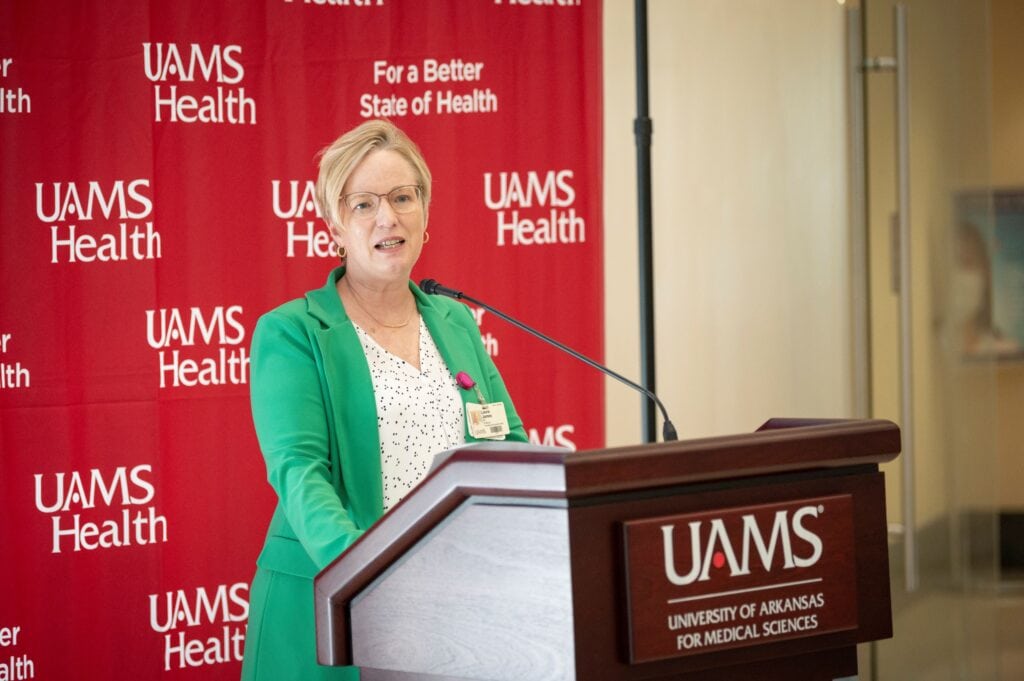
Laura James, M.D., discussed plans for the new Clinical and Translational Science Award during Wednesday’s news conference. Photo by Evan Lewis
TRI Director Laura James, M.D., discussed plans for the new Clinical and Translational Science Award during Wednesday’s news conference. Photo by Evan Lewis

The University of Arkansas for Medical Sciences (UAMS) Translational Research Institute announced today that it will receive $31.7 million to continue its role in a national effort to accelerate discoveries for the toughest health challenges facing Arkansans and people across the United States.

The funding by the National Center for Advancing Translational Sciences (NCATS) at the National Institutes of Health (NIH) puts UAMS among an elite group of research centers. The highly competitive Clinical and Translational Science Award (CTSA) goes to only about 60 research institutions nationwide.

“This award attests to the unique capabilities of UAMS researchers in advancing discoveries and treatments,” U.S. Sen. John Boozman said in a statement provided by his office. “The institute has helped put UAMS in position to conduct exceptional, innovative science that’s on par with the best research institutions in the country. We can be proud this outstanding work is occurring right here in our state to improve the lives of Arkansans and all Americans.”

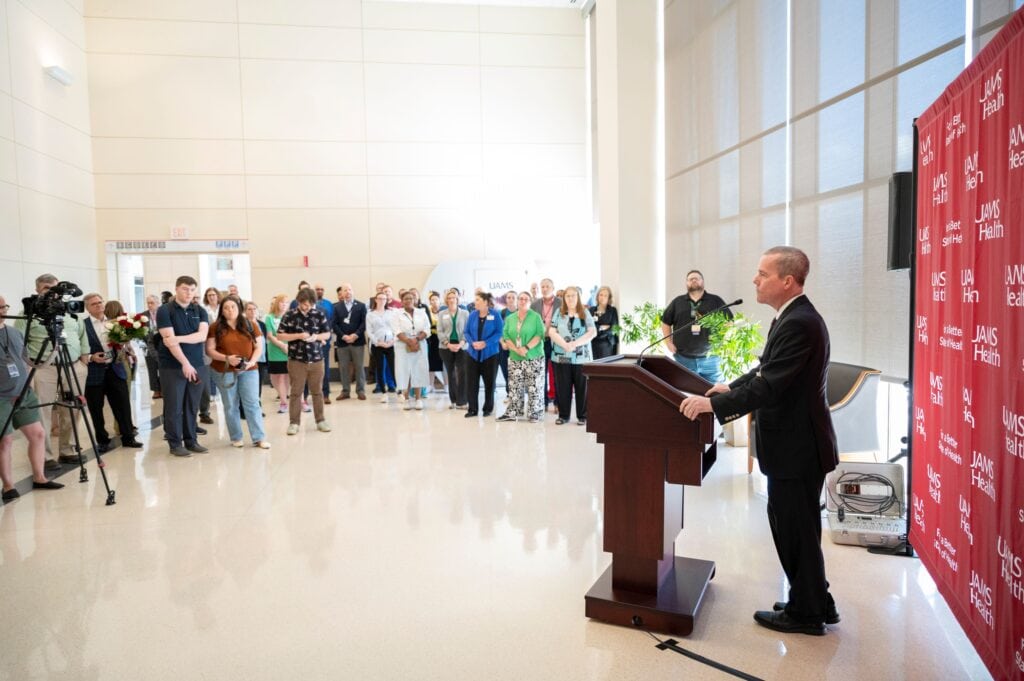
UAMS Chancellor Cam Patterson, M.D., MBA, announced the UAMS Translational Research Institute's Clinical and Translational Science Award during a news conference Wednesday. Image by Evan Lewis
UAMS Chancellor Cam Patterson, M.D., MBA, announced the UAMS Translational Research Institute’s Clinical and Translational Science Award during a news conference Wednesday. Image by Evan Lewis

UAMS Chancellor Cam Patterson, M.D., MBA, thanked Boozman for his continued support of the CTSA program and noted that UAMS has pledged matching funds to significantly enhance the award’s impact on UAMS research.

“The Translational Research Institute has been a driving force for research innovation that speeds the pace of research in pursuit of health solutions,” Patterson said. “Under the strong leadership of Dr. Laura James, the institute has developed and will now implement its terrific plan to build on its vital work of the past five years.”

The CTSA includes a primary grant, award UM1 TR004909, which totals $26.9 million over seven years, and two linked grants, K12 TR004924 and T32 TR004918 for training early career researchers, which total $4.73 million over the next five years. James is the principal investigator on the UM1 grant, which supports key aspects of research programs that support investigator training, clinical trials, community engagement, informatics, statistics and team science to ensure that UAMS researchers have access to state-of-the-art approaches for clinical and translational research.

James said she is excited to have the award and ready for the institute to begin implementing its plans.

“This a great day for UAMS and a great day for Arkansas,” said James, UAMS associate vice chancellor for Clinical and Translational Research. “We are very proud to continue to be part of this distinguished clinical and translational research program, which ensures that Arkansas has a leading role in research that will allow earlier detection of diseases and provide better medical treatments in the future. Clinical research drives changes in how future patients are treated, and our aim is to create and lead high quality research that is responsive to the health needs of Arkansans.” 

The institute supports novel research that addresses significant health challenges in Arkansas, such as high blood pressure, pain management, diabetes and obesity, substance abuse, mental health and rare diseases. It is also expanding opportunities for UAMS researchers to participate in multisite clinical trials, including collaborative research with other CTSA-funded centers.  

The Translational Research Institute provides support for the research staff and faculty needed for leading clinical trials, research training programs for postdoctoral students and faculty, and pilot funding and mentorship support to help early-career faculty successfully apply for NIH grants and launch their research careers.

“We believe that we are the perfect state for this type of grant award; although Arkansas is small, we have the advantage of working collaboratively together to solve health challenges.” James said. “Our research successes will be shared with other states that have similar populations and health challenges.”

Daniel Voth, Ph.D., UAMS vice chancellor for Research and Innovation, said being part of the prestigious CTSA research consortium elevates the entire UAMS research enterprise.

“The CTSA helps us recruit exceptionally talented researchers and it attracts additional funding because new opportunities will come about that are specific to institutions with CTSA programs,” Voth said.

The institute was initially funded with a five-year CTSA in 2009, and it was fully funded again with a five-year award in 2019. The new award will continue to support strategies to optimize health through research and will increase support for programs that engage many populations around the state in research, including those living in rural areas of the state, where access to health care may be limited. TRI and other institutional partners will continue to integrate research participation opportunities into UAMS clinics located throughout the state.

“UAMS and our partnering institutions, Arkansas Children’s Research Institute (ACRI) and the Central Arkansas Veterans Healthcare System, have tremendous resources for medical care, including care for uncommon diseases. Ensuring that all Arkansans benefit from these resources is one priority of the CTSA program,” James said.

The training grants support:

  • The K12 Mentored Research Career Development Scholar Award Program, which will receive $3.78 million over five years. This premier CTSA program provides promising early-career faculty researchers with two years of translational science training, salary support, seed funding strong mentoring to help jump-start their research careers. It is co-directed by UAMS’ John Arthur, M.D., Ph.D., Elisabet Borsheim, Ph.D., and Mario Schootman, Ph.D.
  • The T32 Health Sciences Innovation and Entrepreneurship Training Program, which will receive $952,975 over five years. This pioneering program includes a first-of-its kind partnership with the Sam M. Walton College of Business at the University of Arkansas, Fayetteville, that teaches postdoctoral fellows at UAMS how to commercialize their discoveries. It is led by UAMS’ John Imig, Ph.D.

The institute’s success has been sustained with significant UAMS support and from its partners, ACRI, and CAVHS, as well as important partnerships involving the UAMS Northwest Regional Campus and the University of Arkansas, Fayetteville. In addition, the institute has fostered research collaborations with numerous grassroots community organizations and individuals through its Community Engagement Core.

UAMS is the state’s only health sciences university, with colleges of Medicine, Nursing, Pharmacy, Health Professions and Public Health; a graduate school; a hospital; a main campus in Little Rock; a Northwest Arkansas regional campus in Fayetteville; a statewide network of regional campuses; and eight institutes: the Winthrop P. Rockefeller Cancer Institute, Jackson T. Stephens Spine & Neurosciences Institute, Harvey & Bernice Jones Eye Institute, Psychiatric Research Institute, Donald W. Reynolds Institute on Aging, Translational Research Institute, Institute for Digital Health & Innovation and the Institute for Community Health Innovation. UAMS includes UAMS Health, a statewide health system that encompasses all of UAMS’ clinical enterprise. UAMS is the only adult Level 1 trauma center in the state. UAMS has 3,275 students, 890 medical residents and fellows, and five dental residents. It is the state’s largest public employer with more than 12,000 employees, including 1,200 physicians who provide care to patients at UAMS, its regional campuses, Arkansas Children’s, the VA Medical Center and Baptist Health. Visit www.uams.edu or www.uamshealth.com. Find us on Facebook, X (formerly Twitter), YouTube or Instagram.

Filed Under: Front, News, Newsroom

Novel Study Addresses Patient-Provider Conflict

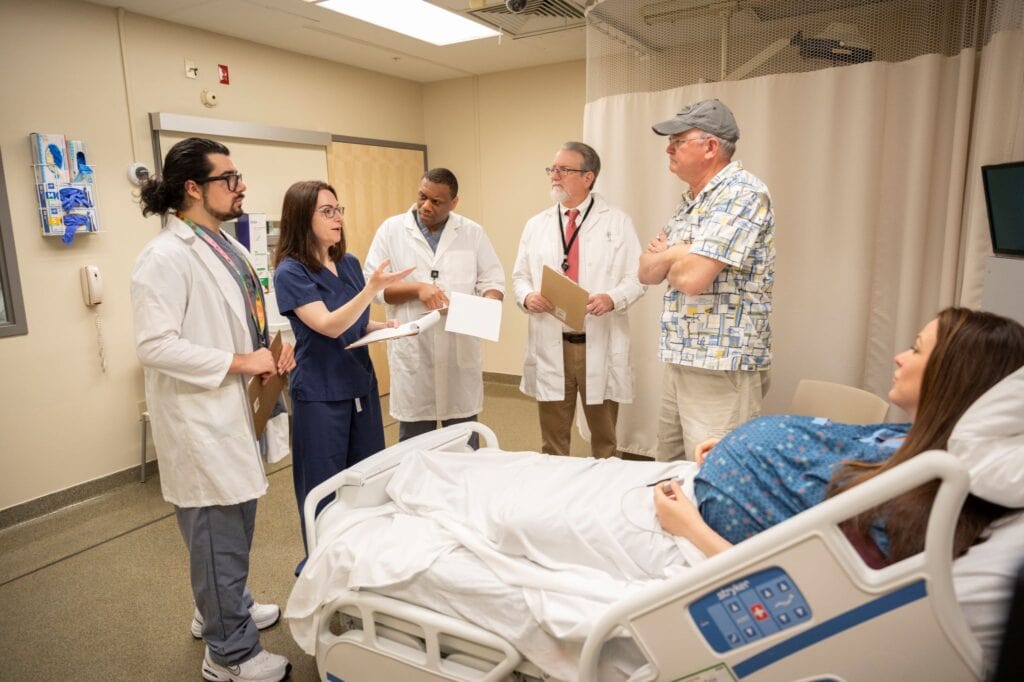
As part of the CORES study with the University of New Mexico and University of Utah, Karen Dickinson, directed a video at the UAMS Simulation Center involving patient prejudice.  (Photo by Evan Lewis)
As part of the CORES study with the University of New Mexico and University of Utah, Karen Dickinson, M.D., directed a video at the UAMS Simulation Center. (Photo by Evan Lewis)

In a project involving three rural CTSA institutions, UAMS’ Karen Dickinson, M.D., is co-leading a novel effort using simulated scenarios to help health care teams manage disruptive patient encounters with providers.

Dickinson, a surgeon and interprofessional simulation education expert, is working with co-principal investigators Michael Andreae, M.D., Ph.D., professor of anesthesiology at the University of Utah, and Anita Fernander, Ph.D., executive diversity officer and professor at the University of New Mexico.

Their work was funded in 2023 by a one-year Consortium of Rural States (CORES) pilot, with each institution receiving $25,000.

“Nothing like this collaborative project has been done before in this area,” said Dickinson, director of Interprofessional Education Simulation and Clinical Skills Training at UAMS. “It’s challenging to provide this education because these are sensitive issues, but it’s important and ultimately benefits both providers and patients.”

The simulated scenarios, based on real-life experiences, feature patient behaviors that create difficult communication challenges for providers. The incidents have been created as part of a multi-step process in which a comprehensive simulation-based educational program is being created to equip health care teams with the tools to manage such situations.

In addition to helping clinical teams manage challenging patient interactions, the project addresses how these situations create a barrier to translational science, negatively impacting the stability of the clinical research workforce.

The CORES pilot is providing the resources to develop and record simulated scenarios. Health care providers who have experienced these challenges will watch the videos, and experts in cognitive task analysis will follow up with structured interviews to gain participants’ perspectives and glean details from their personal experiences. The results will inform development of a simulation-based education program.  

“This work is needed because it’s a common experience, and it can be very detrimental on multiple levels, most importantly to the patient-provider relationship,” Dickinson said. “We chose simulation as an active learning strategy to support and equip all members of the team to deal with this situation.”

The collaboration was inspired by the 2022 American College of Education Accredited Educational Institute (ACSAEI) initiative to collaborate with the ASA Simulation Education Network (SEN) at the annual Surgical Simulation Summit meetings to foster interprofessional simulation education. The meeting generated connections between UAMS and the University of Utah, which led to the collaboration with the University of New Mexico.

“Conversations were already happening as a result of the ACSAEI and ASA SEN meetings, then we learned about the CORES pilot opportunity, and we knew it could really help get this project off the ground,” Dickinson said.

Other UAMS co-investigators on the project are Faiza Khan, M.D., an associate professor, and Rania Elkhateb, M.D., an instructor, both in the Department of Anesthesiology.

She is excited to be working with experts in other fields and seeing how the multi-institutional effort benefits the project.

“We’re all bringing complementary knowledge so that we can do together what we could never do individually,” she said. “Without the CORES grant, there’s no way we could have done this as effectively as we are.”

Filed Under: News

Regional PCORnet Network Offers New Research Opportunities for UAMS Faculty

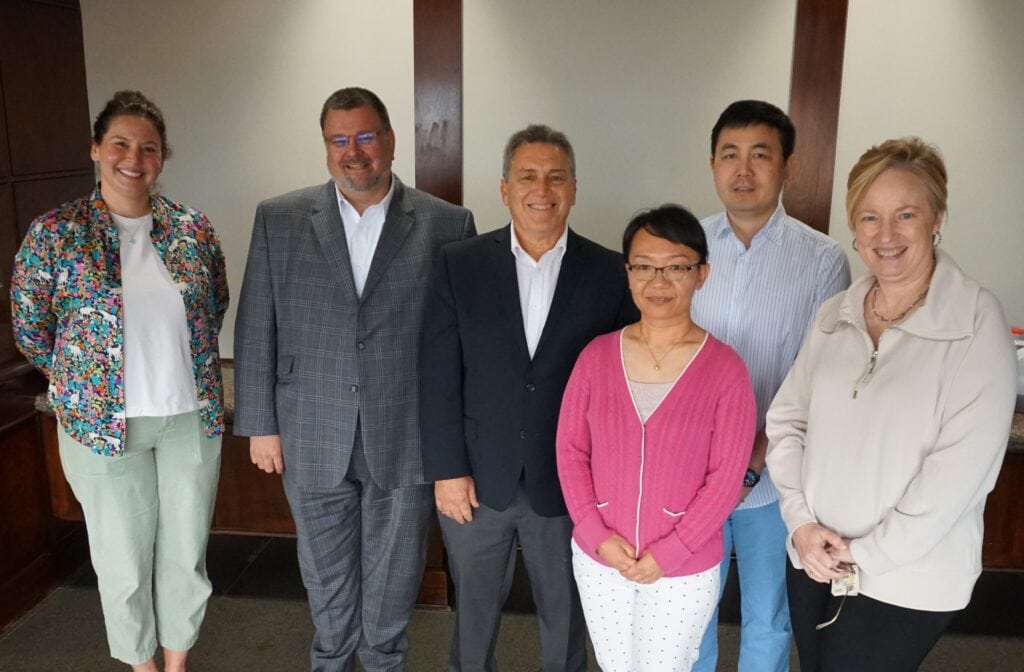
Representatives of the OneFlorida+ PCORnet spent a day at UAMS to share information about the network. From left to right are Brittney Roth Manning, MPH (OneFlorida+), Mathias Brochhausen, Ph.D., Ahmad Baghal, M.D., Ph.D., Mei Liu, Ph.D. (OneFlorida+), Jiang Bian, Ph.D. (OneFlorida+) and Laura James, M.D.

A partnership facilitated by the Translational Research Institute (TRI) gives UAMS faculty new opportunities to lead and join a range of impactful research projects as part of a federally supported network of institutions.  

The network, OneFlorida+ PCORnet is a clinical research network overseen by the University of Florida Clinical and Translational Science Institute. In addition to UAMS, its institutional partners are in Alabama, Georgia and California.

PCORnet is a national resource supported by the Patient-Centered Outcomes Research Institute (PCORI). It offers the kind of research ecosystem that has long been pursued: a fully integrated network where vast, highly representative health data, research expertise, and patient insights are built-in and accessible from the very start, according to the PCORnet website.

The OneFlorida+ Clinical Research Network spans 20 million patients, 4,100 providers, 1,240 practices, 14 academic institutions and 22 hospitals. It consists of two main components: a) the OneFlorida+ Data Trust, which contains curated and cleaned data using the PCORnet Common Data Model (CDM); and b) the Practice-Based research Network, which allows researchers to conduct pragmatic clinical trials and other interventional studies in research-ready clinics.

“OneFlorida+ is an amazing opportunity to engage in research regionally and expand UAMS’ clinical research footprint,” said Mathias Brochhausen, Ph.D., TRI associate director for Strategic Collaborations and a professor in the College of Medicine Department of Biomedical Informatics. “OneFlorida+ also gives us access to a very well curated set of de-identified patient data.”

Brochhausen is one of two UAMS principal investigators for PCORnet, serving as the research lead. UAMS’ Ahmad Baghal, M.D., Ph.D., is also a principal investigator and serves as the technical lead. He is director of the TRI-supported Arkansas Clinical Data Repository (AR-CDR).

Brochhausen recently initiated a day-long meeting at UAMS with the OneFlorida+ PCORnet leaders. The meeting included a morning session with TRI leadership and an afternoon session included a broader group of research faculty from across UAMS.

“The meeting really launched our efforts to begin sharing this amazing opportunity with our colleagues here,” Brochhausen said. “We are receiving emails every week about other PCORnet sites searching for collaborators, so we want our research community and potential PIs to be aware of that opportunity. It could really be a massive accelerator for research in the institution.”

Filed Under: Front, News, Newsroom

TRI Facilitates Breakthrough Device Implant at UAMS Restoring Young Woman’s Pain-Free Life

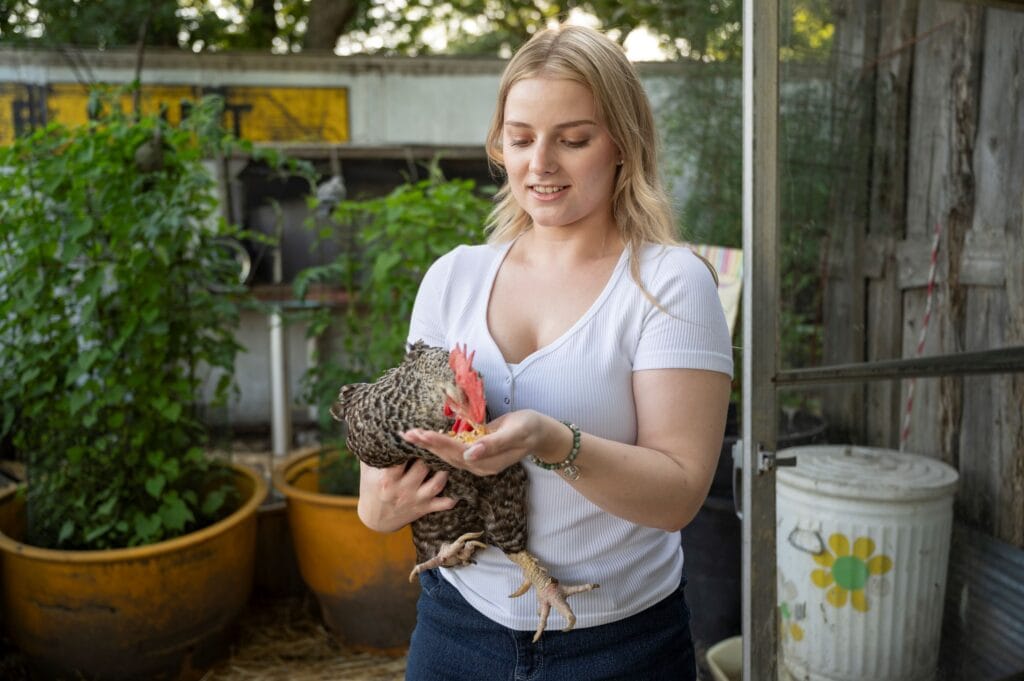
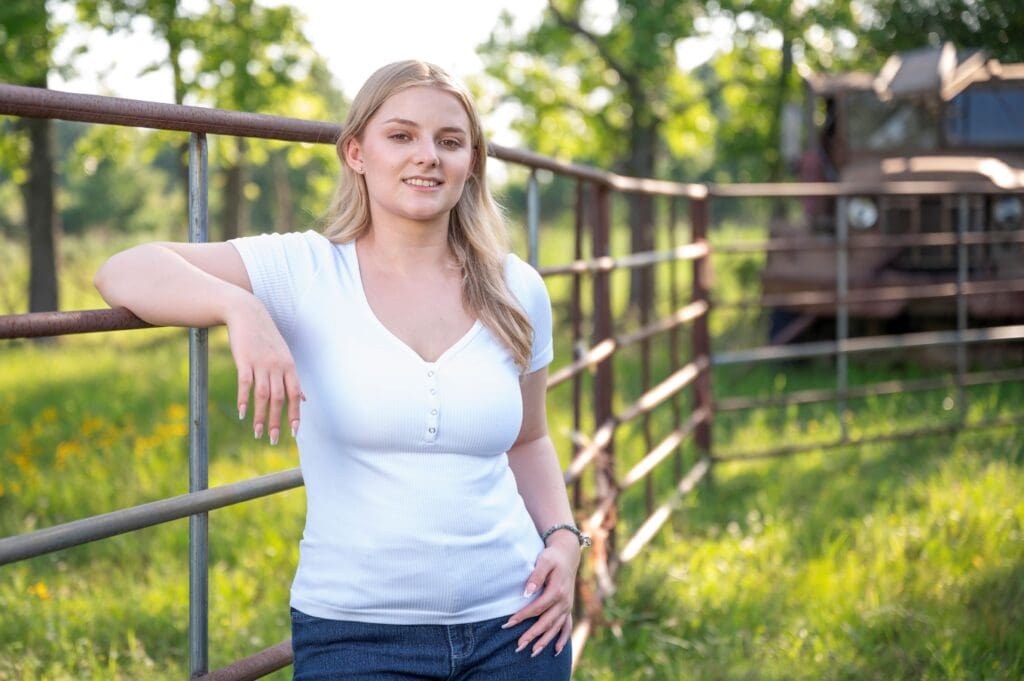
Jolee Camp, here on her parents' farm, is grateful for having access to a cutting-edge device study at UAMS that has cured her disabling back condition. Image by Evan Lewis
Jolee Camp, here on her parents’ farm, is grateful for having access to a cutting-edge device study at UAMS that has cured her disabling back condition. (Photo by Evan Lewis)

Jolee Camp was a thriving 15-year-old who dreamed of becoming a professional dancer and enjoyed hunting, fishing and working on her family’s farm in Lonoke when she was suddenly disabled by unexplained low back pain.

“She spent her senior year in a wheelchair,” said her mother, B.J. Camp, who took her daughter from doctor to doctor for six years in the futile pursuit of a diagnosis and an effective treatment.

Jolee Camp’s life-changing break came two years ago, at age 20, when she saw UAMS pain specialist Johnathan Goree, M.D. He not only diagnosed her condition, he offered a potential long-term solution: a promising new implantable device available as part of a research study he is leading at UAMS.

The news was overwhelming for Camp and her mother.

“We both just started crying,” said Camp, who had endured numerous injections, nerve ablations, pain medications that sickened her, and doctors who doubted her. “I was just so thankful that I got to see Dr. Goree. He fought for me when other doctors were telling me it was in my head, that I was making it up.”

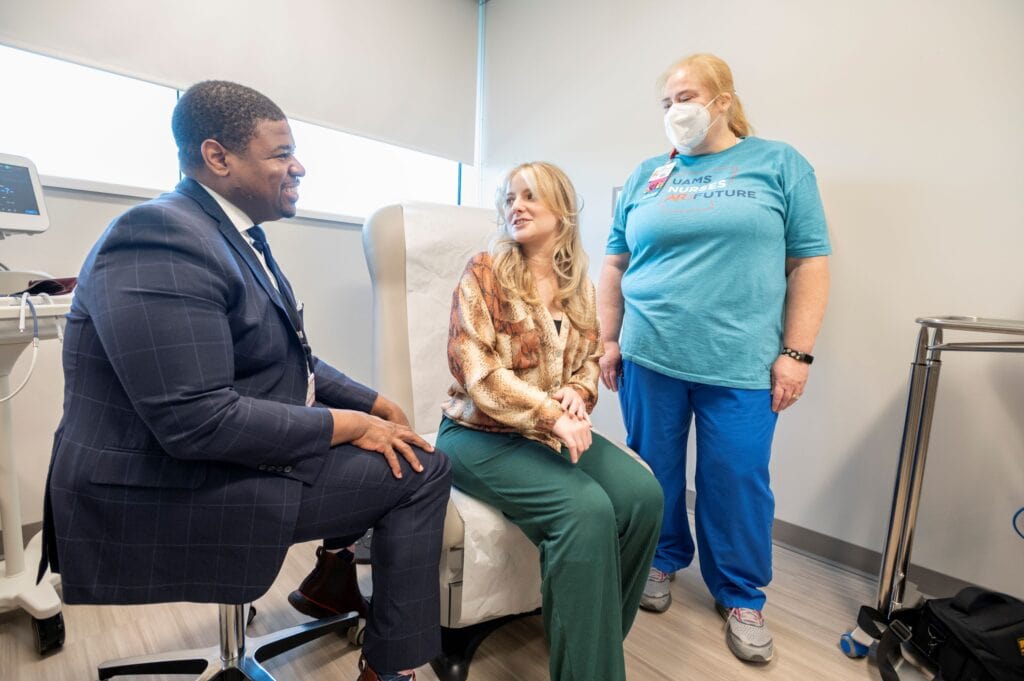
Johnathan Goree, M.D. (left), was the first doctor able to diagnose Jolee Camp’s back condition and offer a successful treatment option. Camp, center, credits Goree and Susan Smith Dodson, MBA (right), clinical research coordinator, with ensuring her speedy enrollment in the device study after she turned 21. (Photo by Evan Lewis)

Goree, who leads the UAMS Pain Clinic, said her journey is like that of many patients who finally make it to his clinic after years of suffering.

“They’ve had physicians tell them the pain is in their head, and so I can only imagine the kind of emotional trauma that Jolee experienced,” he said.

The Diagnosis

Goree diagnosed Camp’s condition as multifidus dysfunction. People who have it experience weakness and atrophy of the multifidus muscles in the lower back, which help support the lumbar spine.

Although unusual for someone as young as Camp, it’s a condition that Goree and his team see routinely at the Pain Clinic.

After injuring her multifidus muscle at some point, he explained, Camp’s exceptionally strong core likely helped stabilize her spine as her injured multifidus muscle continued to weaken and shrink as her activity level declined.

“Eventually your lack of multifidus back core muscles got to the point where you couldn’t compensate for it anymore,” Goree told the Camps during a recent visit to The Orthopaedic and Spine Hospital at UAMS.

Without an accurate diagnosis, Camp’s previous doctors prescribed injections and nerve ablations that provided only temporary relief, as well as pain medications and muscle relaxers that helped her sleep but also made her sick.

Physical therapy also failed because the muscle wasting was too severe to overcome.

The Solution

Goree is the UAMS principal investigator for the multisite study of the first and only Food and Drug Administration (FDA)-approved implantable neurostimulation device that can restore muscle and relieve chronic low back pain. The study, “ReActiv8 Stimulation Therapy vs Optimal Medical Management: A Randomized Evaluation (RESTORE),” is supported by the UAMS Translational Research Institute.

The device, ReActiv8®, developed by Mainstay Medical, includes a small generator implanted under the skin in the lower back that delivers electrical stimulation through wire leads that are hooked into the multifidus muscle. The stimulation interrupts the pain and causes the muscles to contract, which also makes them grow and strengthen so they can support the spine.

Although approved by the FDA, ReActiv8® continues to be researched with the RESTORE Trial to provide the evidence necessary for insurance companies to offer coverage.

At the time she heard about the device study, Camp was in her junior year at Arkansas Tech University, which she attended remotely because of her condition. She graduated in 2023 with degrees in criminal justice and political science and was on the Dean’s List all four years. Her academic skills came in handy when she needed to learn more about the device.

“I researched everything that I possibly could about it,” she said. “I looked into the studies that they did in the United Kingdom because the devices were approved over there, first. I looked at a lot of the testimonials and the surgery process and how long the recovery would be and all of that stuff.”

She concluded that it had a good chance of helping her, and she enthusiastically agreed to be a study participant.

While Goree could not make Camp any promises about the device’s effectiveness, he thought she would be an ideal candidate. The only hold up was her age; she would have to be 21 to enroll, and she was eight months away from that milestone.

Goree and Susan Smith Dodson, MBA, BSN, RN, the study’s clinical research coordinator at the Translational Research Institute, didn’t want Camp to wait any longer than necessary, so they worked with Mainstay to ensure all the preliminary hurdles were cleared to help expedite enrollment after her August birthday.

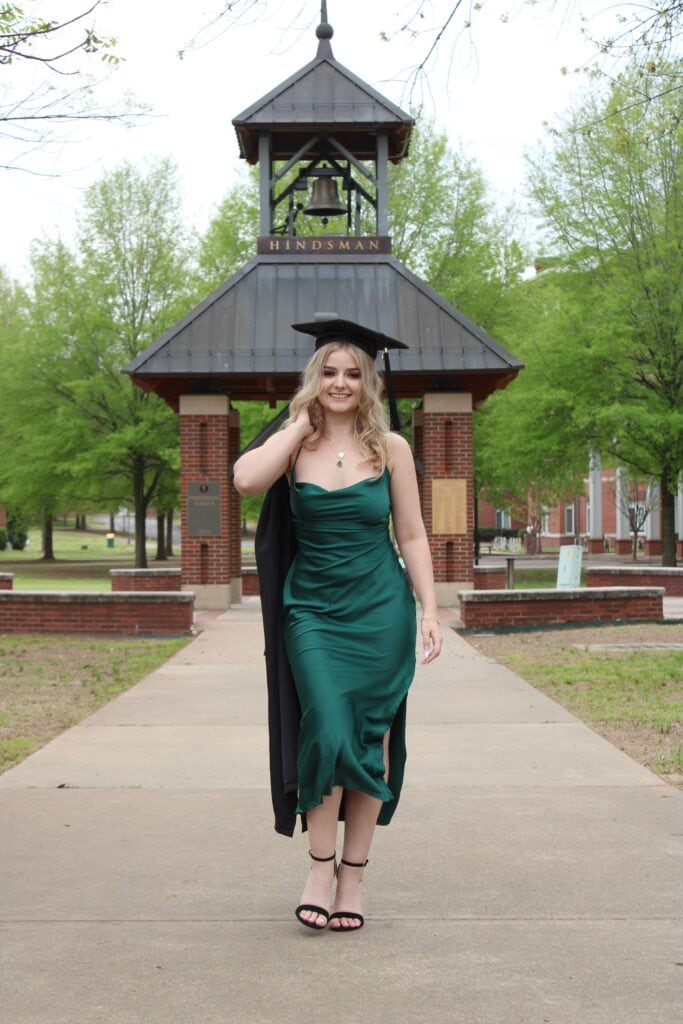
Jolee Camp was excited to be able to walk across the stage to receive her college diploma, something she didn’t expect to do before receiving the implanted device.

“Both of us really understood how uncomfortable she was, and we wanted to make sure that she had this option as soon as she could,” Goree said. “Also, the longer we waited, the worse her pain would get because that loss of muscle would continue.”

Camp was also fortunate to be randomly assigned to the device treatment group rather than the study’s control group. Had she been in the control group, she would have had to wait another year to receive the implant.

“I waited for eight months to turn 21 and then within the course of three months, I had the surgery,” she said.

‘Super Motivated’

The Nov. 14, 2022, surgery, performed by Goree and his colleague and co-investigator G. Lawson Smith, M.D., went as planned. Camp, determined to have a successful outcome, was a model patient and study participant, Goree and Dodson said.

She dutifully followed the recovery guidelines and study protocol, activating the device twice a day. At 6 a.m., she would lie on her stomach and run the stimulator for 30 minutes, then repeat it at 4 p.m.

“She was super compliant, super motivated,” Goree said.

“I adhered to it strictly because I wasn’t going to waste this opportunity after all the years of just having to fight and fight and fight,” she said. “Dr. Goree fought for me to get it, and I wasn’t going to waste his efforts.”

Jolee Camp, here at her family’s farm, said UAMS’ Johnathan Goree, M.D., “gave me my life back.” (Photo by Evan Lewis)

Goree cautioned Camp that it would take time to see results. Like building muscles at the gym, it doesn’t happen overnight, he said.

Instant Relief

While the muscle building would take time, the device provided instant relief during the 30-minute stimulation sessions. Although pain returned afterward, the intensity was diminished, she said.

At her three-month follow-up visit, Camp reported at least a 20% pain reduction and was able to quit all prescription pain medication.

“I was so excited just to have any relief, and then at about the six-month mark I had about 50% relief,” she said. “I was able to start going out with my friends, and I could drive the car for more than an hour, and I could walk more than 10 minutes without feeling like I had to sit down, and I was getting eight hours of sleep.”

Attending her college graduation was a seminal accomplishment.

“I was able to wear heels, and I was able to walk across the stage. It was just amazing, and I never thought I was going to be able to do that before,” she said.

She was excited to tell Goree and Dodson about her progress at her six-month visit a few weeks later.

“They have been with me since I’ve been in college, so it was a really big thing for me to be able to do,” she said.

At one year, she was nearly pain free and reported the same result during her 18-month follow-up visit.

She told Goree that she wakes up in the mornings pain free, although depending on what she has done on a given day, her pain in the evening may rate a five or six on a 1-10 scale.

“It’s nowhere near that 10 that I felt every single day, and I’m not taking any pain medication at all right now,” she said.

In addition to rejoining friends and resuming her many hobbies, she has held as many as three jobs at one time, including as an in-home health care provider, a waitress and an optician. She hopes to start a career in the criminal justice field, possibly in cybersecurity.

“I have so much gratitude for Dr. Goree,” she said. “He gave me my life back.”

Her final follow-up visit will be at the two-year mark this fall, and she can choose to keep the device at no cost.

“I plan on keeping it as long as you’ll let me have custody of it,” she told Goree.

Goree assured her that she could, and he said the generator battery should last seven to 10 years.

Inspired Care

Camp said she is also grateful for the cutting-edge medical technology that helped her return to a normal life, especially so close to home.

“My parents and I looked into going to all sorts of places, like the Mayo Clinic and Johns Hopkins,” she said. “But then there’s also trying to figure out how to afford it. I’m very, very thankful because I live about 30 minutes from UAMS.”

Goree said outcomes such as Camp’s are what inspire him to seek the latest treatments, techniques and promising therapeutics.

“This is why I do what I do,” he said.

The device has delivered similarly exciting results for three other study participants at UAMS and exemplifies the role of research in achieving his goals for patients.

“Research gives Arkansans access to cutting-edge therapies,” Goree said, noting that new treatment innovations have traditionally been available only at health centers on the East and West Coasts.

“I think we have now built a center where a lot of the new innovation is happening in Arkansas,” he said. “It helps patients here and around the world because we are helping to bring new techniques and treatments to the market. Thanks to this research, this device is now covered by many insurances and we are happy to offer it to patients in our clinic.”

The Translational Research Institute is supported by a Clinical and Translational Science Award funded by the National Institutes of Health’s National Center for Advancing Translational Sciences, award number UL1 TR003107.

Filed Under: Front, News, Newsroom

TRI Announces Two Postdoctoral Fellows for Entrepreneurship Training Program 

Nicholas Callais, M.D.

The UAMS Translational Research Institute (TRI) has announced two postdoctoral trainees for its Health Sciences Innovation and Entrepreneurship (HSIE) Postdoctoral Training Program, beginning July 1. Selected in a competitive application process, the trainees will receive two years of mentored entrepreneurship training in partnership with the University of Arkansas Sam M. Walton College of Business.

The HSIE postdoctoral trainees, their research goals and mentors are:

Nicholas Callais, M.D., a surgical resident in the College of Medicine Department of Surgery. His research focuses on evaluating DNA-PK(cs) as a novel target for therapeutic immunosuppression in transplant patients.

Alexa C. Escapita, Ph.D.

Mentor: Marie Burdine, Ph.D., assistant professor, Department of Surgery.

Alexa C. Escapita, Ph.D., a postdoctoral fellow in the College of Medicine Department of Obstetrics and Gynecology. Her research focuses on using optically pumped magnetometers to detect early neurodevelopment delays in children from high-risk pregnancies.

Mentor: Hari Eswaran, Ph.D., professor and vice chair for Research, College of Medicine Department of Obstetrics and Gynecology

Filed Under: Front, News, Newsroom

TRI Names Mathias Brochhausen, Ph.D., to Leadership Post

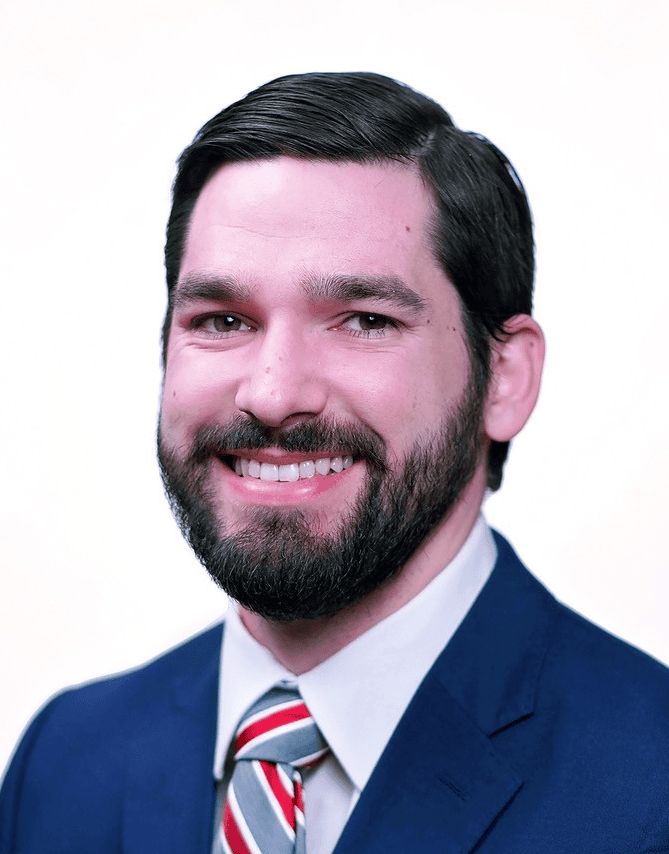
Mathias Brochhausen, Ph.D.

The UAMS Translational Research Institute (TRI) is pleased to announce the appointment of Mathias Brochhausen, Ph.D., to the role of associate director for Strategic Collaborations, effective May 1. Brochhausen is a professor and vice chair in the UAMS College of Medicine Department of Biomedical Informatics.

He will continue to co-chair TRI’s Clinical and Translational Science Pilot Program with Shelley Crary, M.D., MS. In addition, he will serve as TRI’s liaison for PCORNet® Initiatives through an affiliation with the University of Florida’s OneFlorida+ PCORNet® program. PCORNet® is a national resource funded by the National Patient-Centered Outcomes Research Institute (PCORI) and enables comparative effectiveness research to advance health outcomes through community, research and data partnerships.

TRI’s other two associate directors are Antiño Allen, Ph.D., associate director, Pathway Initiatives, and John Arthur, M.D., Ph.D., associate director, Translational Research.  Congratulations Dr. Brochhausen!

Filed Under: Front, News, Newsroom

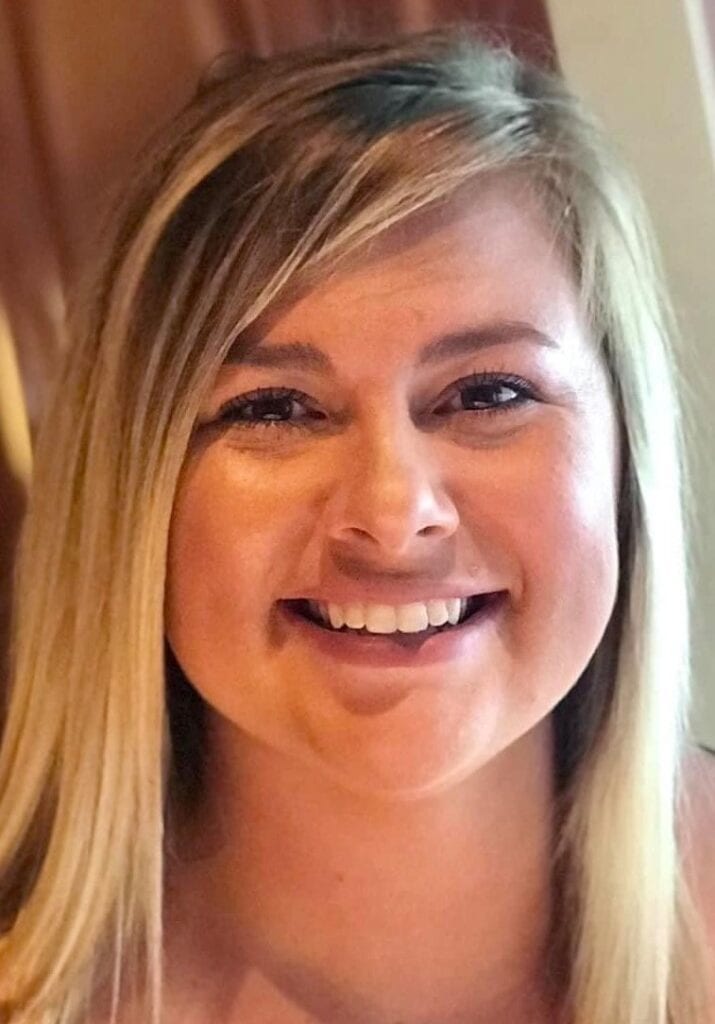
TRI Announces Two Pilot Awardees

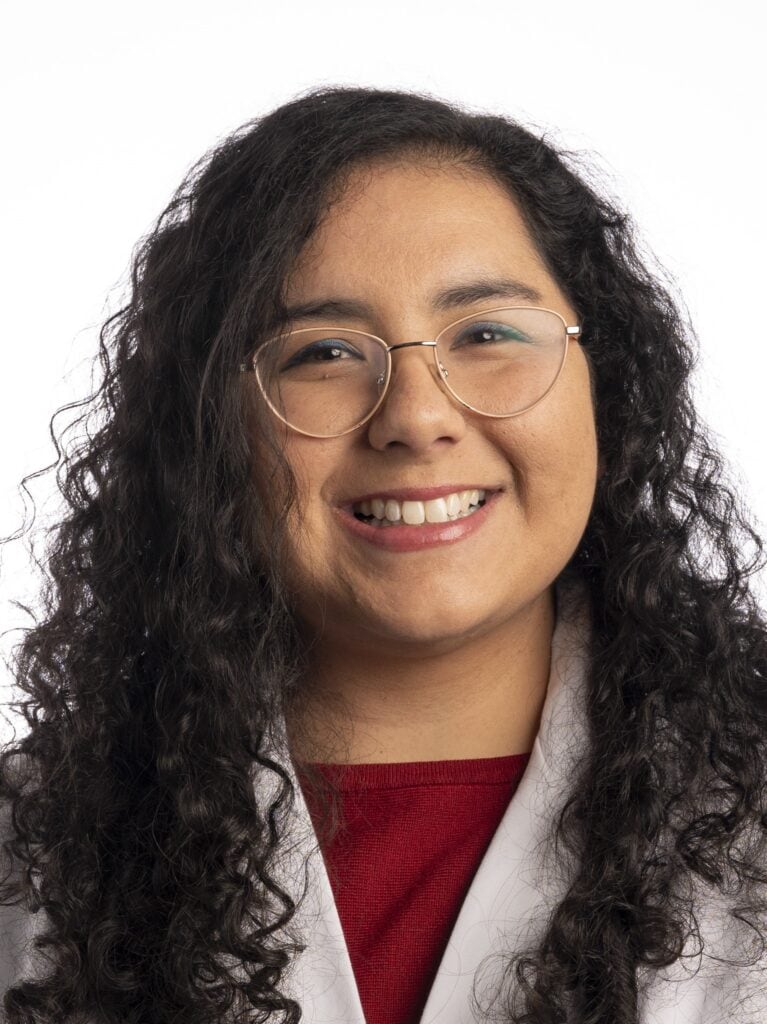
Tiffany Miles, Ph.D.

The UAMS Translational Research Institute (TRI) is pleased to announce that UAMS’ Tiffany Miles, Ph.D., and Ellen van der Plas, Ph.D., have received one-year TRI pilot grants of $25,000 each.

Miles is a postdoctoral fellow in the College of Medicine Department of Neurobiology and Developmental Science. The grant will support a project she developed in collaboration with the Boys, Girls, Adults, Community Development Center (BGACDC) of Marvell as part of TRI’s Community Based Participatory Research (CBPR) Scholars Program. 

The project, “Community Developed and Implemented Obesity Interventions in Marvell, AR,” aims to develop a community-led obesity intervention program and develop ideas for sustaining the intervention.

Miles was the academic partner on one of six teams that completed the two-year CBPR training program, which involves collaborations between UAMS-affiliated researchers and community-based organizations to address health disparities and promote community health and well-being.

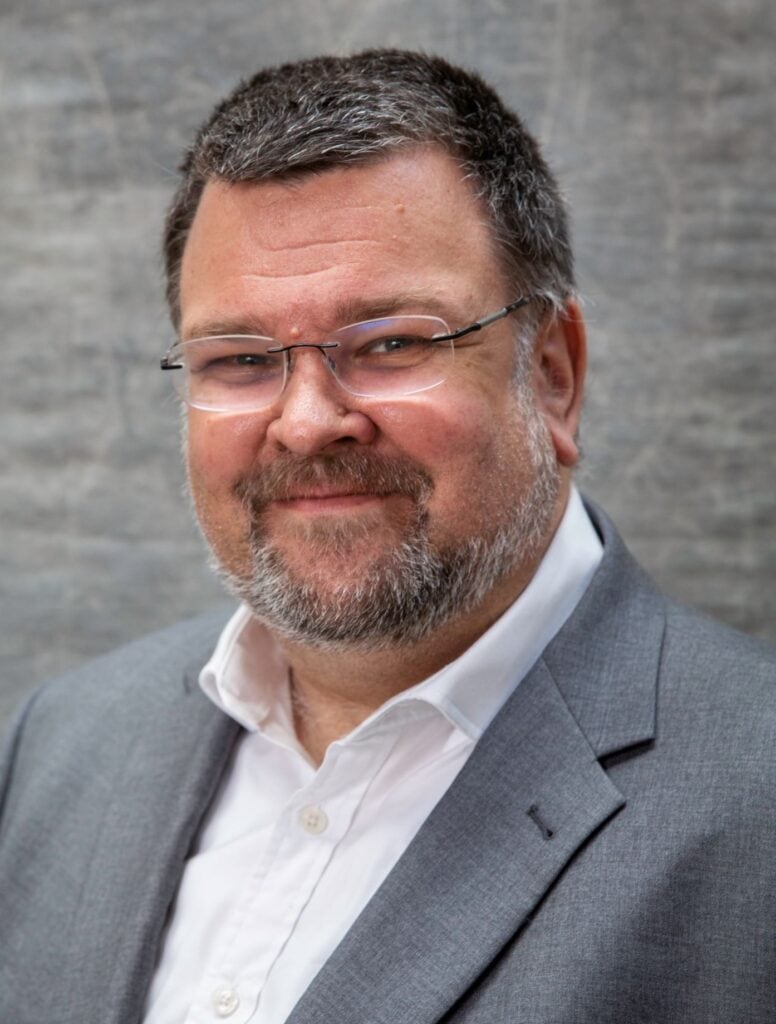
Ellen van der Plas, Ph.D.

Miles is also a 2023 graduate of the two-year TRI Health Sciences Innovation and Entrepreneurship (HSIE) Training Program.

Van der Plas is a neuroscientist and associate professor of pediatric hematology/oncology in the College of Medicine Department of Pediatrics. Her research project, “SONIC Teens: Sickle Cell Neurological Impact and Cognition in Teenagers,” aims to identify neurodevelopmental abnormalities in adolescents ages 12-17 with sickle cell disease using a neurocognitive testing, behavioral assessments, neuroimaging and quantification of protein markers of brain health. She hopes the study will generate compelling data for a National Institutes of Health (NIH) R01 award application. For more information about funding opportunities available through TRI, please visit TRI.uams.edu.

Filed Under: Front, News, Newsroom

TRI Announces Six K12 Scholars for 2024-2026

Lauren Appell, M.D.
Lauren Appell, M.D.

Six early-career researchers have been selected to receive two years of funded translational research training and support in TRI’s K12 Mentored Research Career Development Scholar Awards Program.

The promising junior faculty researchers were selected for the 2024-2026 program through a competitive application process. K12 (formerly KL2) scholars receive two years of mentored translational research training, 75% salary support and up to $25,000 a year for research, tuition, travel and education.

Shiloah Kviatkovsky, Ph.D.

Funding for the program comes from TRI, supported by a Clinical and Translational Science Award from the NIH National Center for Advancing Translational Sciences, as well as the UAMS College of Medicine, UAMS Winthrop P. Rockefeller Cancer Institute and Arkansas Children’s Research Institute (ACRI).

The scholars, their project titles and mentors are:

Lauren Appell, M.D., assistant professor, College of Medicine Department of Pediatrics, based at ACRI

Project: STRONGER ALL: An Early Exercise Regimen for Pediatric Patients with Acute Lymphoblastic Leukemia (ALL)

Ramey Moore, Ph.D.
Ramey Moore, Ph.D.

Mentor: Ellen van der Plas, Ph.D., associate professor of hematology/oncology, based at ACRI

Shiloah Kviatkovsky, Ph.D., assistant professor, College of Medicine Department of Orthopaedics.
Project: Effects of Collagen Supplementation on Surgical Outcomes Following TKA

Mentor: Roy Morello, Ph.D., associate professor, College of Medicine departments Physiology & Cell Biology, Orthopaedic Surgery, and the Division of Genetics.

Ramey Moore, Ph.D., assistant professor, College of Medicine Department of Internal Medicine, Institute for Community Health Innovation.

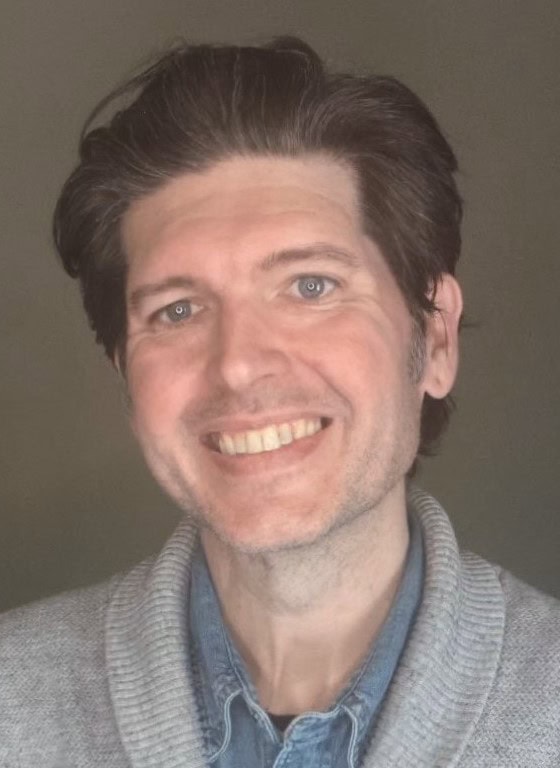
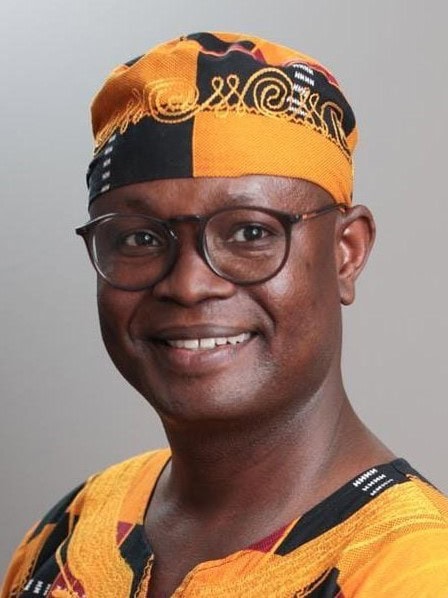
Bernard Muriithi, Ph.D.

Project: Enhancing HPV Vaccine Recommendations in Clinics Serving Rural Arkansans

Mentor: Geoffrey Curran, Ph.D., professor, College of Pharmacy Department of Pharmacy Practice; professor, College of Medicine Department of Psychiatry

Bernard Muriithi, Ph.D., assistant professor, College of Health Professions Department of Occupational Therapy

Project: Adapted Lifestyle Redesign for Diabetes Management

Mentor: Steven Wheeler, Ph.D., Ed.D., department head, Communication Disorders and Occupational Therapy, University of Arkansas, Fayetteville (effective 7-1-24) 

Mollee Steely Smith, Ph.D.

Mollee Steely Smith, Ph.D., assistant professor, College of Medicine Department of Psychiatry

Project: Adaptation and Implementation of an Evidence-Based Parenting Intervention for Postpartum Women Receiving Medications for Opioid Use Disorder

Mentor: Michael Cucciare, Ph.D., professor, College of Medicine Department of Psychiatry

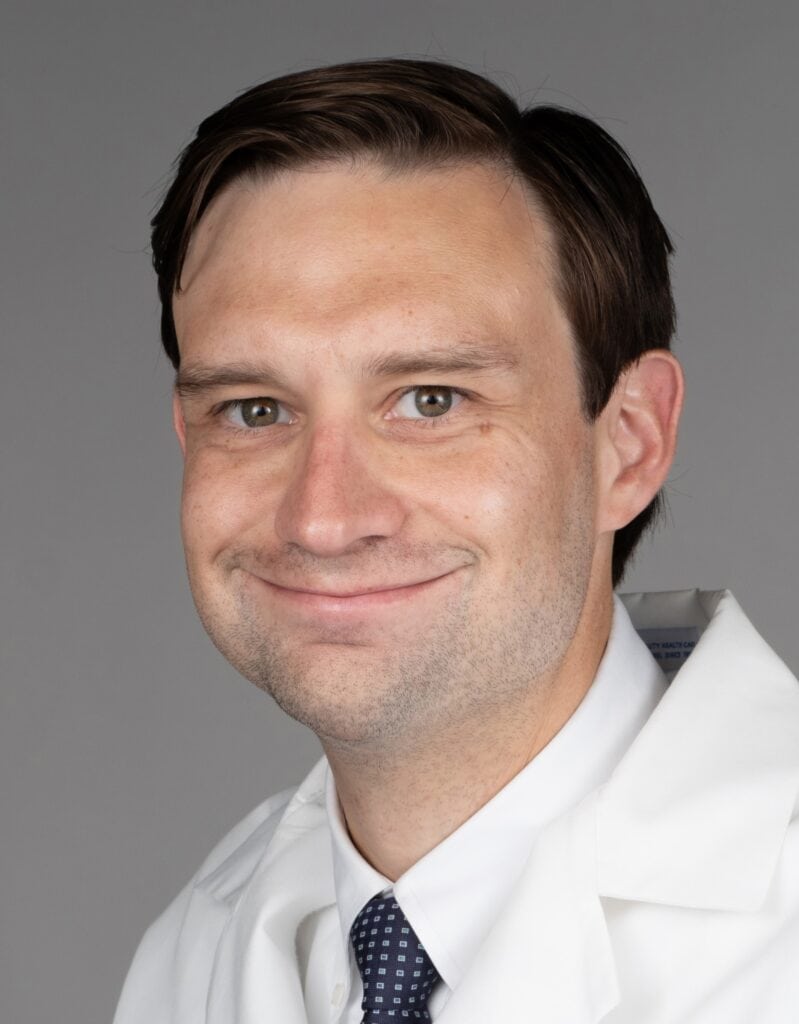
James Williams, M.D., assistant professor, College of Medicine Department of Pediatrics, based at ACRI.

James Williams, M.D.

Project: scRNA seq Analysis of Lower Respiratory Tract Immune Cells to Uncover Immuno-Endotypes in Sepsis-Associated Pediatric Acute Respiratory Distress Syndrome

Mentor: Brian Varisco, M.D., vice chair of Research and professor of Pediatric Critical Care Medicine, College of Medicine Department of Pediatrics

Filed Under: Front, News, Newsroom

Ready to WIN the Summer? The 2024 Summer Writing Challenge Is Nigh!

Get ready to make this summer your winning season! The TRI 2024 Summer Writing Challenge begins in just 24 days! 

Join your research colleagues for this friendly competition with a chance to win one or more great prizes and burnish your reputation as well as your tenure portfolio. 

You are eligible to participate if you have received any TRI funding or other TRI research services since Jan. 1, 2019.

Please submit your manuscripts here starting June 1 through Aug. 31.

Check out our helpful writing resources! 

Got questions? Please contact Nikolas Berardi, NDBerardi@uams.edu.

Let’s make this summer one for the record books!

Filed Under: Front, News, Newsroom

The TRIbune Is Here!

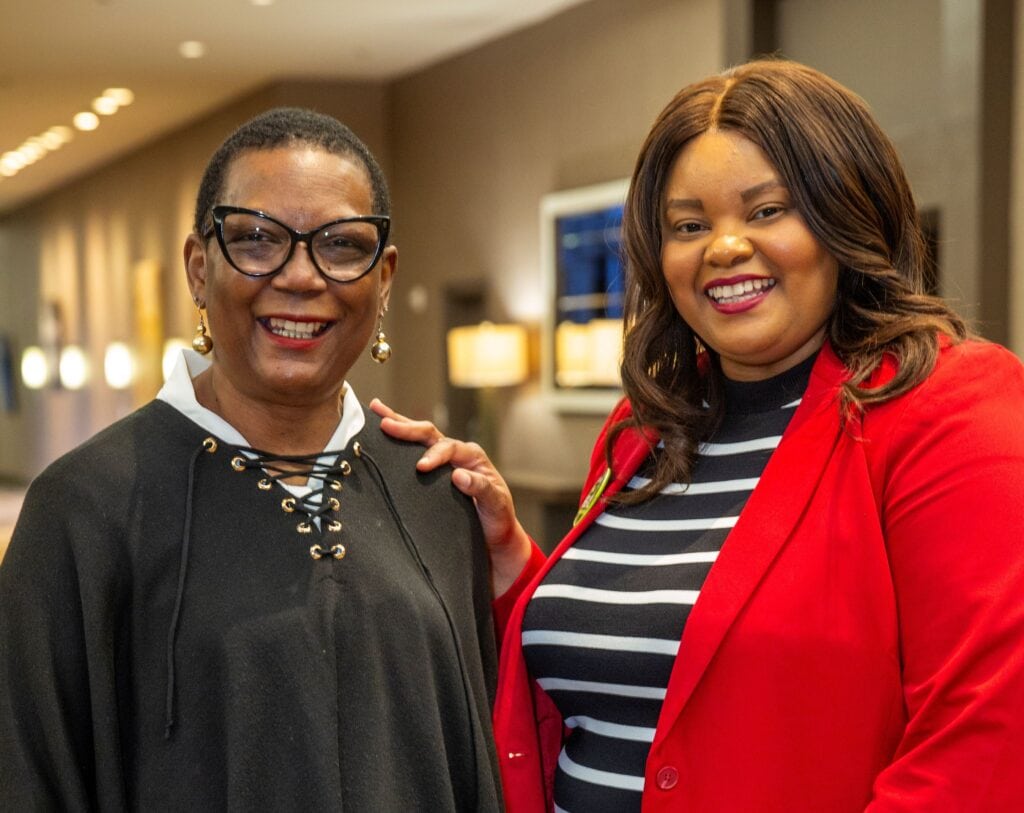
UAMS’ Susan Emmett, M.D., invited the TRI Research Day 2024 audience to “join us in changing the world.”

In our April TRIbune, we feature TRI Research Day 2024, a gathering of more than 100 researchers from across UAMS’ research enterprise. This third annual event at the Little Rock Marriott included powerhouse keynote speakers Susan Emmett, M.D., MPH, and Al Richmond, MPW, as well as outstanding oral presentations by TRI-supported faculty and postdoctoral trainees. The day wrapped up with a lively poster session and presentations to the poster contest winners.

This issue also includes comments from several attendees who shared their thoughts about Research Day.  

In addition, we announce the six teams of UAMS researchers and community partners that graduated from the TRI Community-Based Participatory Research (CBPR) Scholars Program.  

Read The TRIbune.

Filed Under: Front, News, Newsroom

  • «Previous Page
  • Page 1
  • Interim pages omitted …
  • Page 5
  • Page 6
  • Page 7
  • Page 8
  • Page 9
  • Interim pages omitted …
  • Page 48
  • Next Page»
Translational Research Institute LogoTranslational Research InstituteTranslational Research Institute
Mailing Address: 4301 West Markham Street, Little Rock, AR 72205
Phone: (501) 686-7000
  • Facebook
  • X
  • Instagram
  • YouTube
  • LinkedIn
  • Pinterest
  • Disclaimer
  • Terms of Use
  • Privacy Statement
  • Legal Notices

© 2026 University of Arkansas for Medical Sciences