• Skip to primary navigation
  • Skip to main content
  • Skip to primary navigation
  • Skip to main content
Choose which site to search.
University of Arkansas for Medical Sciences Logo University of Arkansas for Medical Sciences
Translational Research Institute
  • UAMS Health
  • Jobs
  • Giving
  • About TRI
    • What We Offer
    • Leadership & Governance
    • Staff
    • Citing Translational Research Institute CTSA Support
    • What is Translational Research?
    • Contact TRI
  • Funding Opportunities
    • Grants
      • Pilot Award Program
      • Consortium of Rural States (CORES) Multi-Institutional Pilot Award Program
      • Team Science Voucher Program
      • Winthrop P. Rockefeller Cancer Institute Rural Research Award Program
    • Scholarships
      • K12 Mentored Research Career Development Scholar Awards Program
      • Health Sciences Innovation and Entrepreneurship Postdoctoral Training Program
      • Implementation Science Scholar Program
      • (STARs) Program – Strategies for Training and Advancing Researchers
      • SMART Program [Master’s in Clinical and Translational Sciences (MS-CTS)]
    • Community
      • Community Based Participatory Research (CBPR) Scholars Program
      • Community Partners Educated as Arkansas Research Leaders (CPEARL) Program
    • Awardee Responsibilities
  • Services & Resources
    • Services
      • Biostatistics, Epidemiology and Research Design (BERD) Consultation
      • Clinical Data Repository (AR-CDR)
      • Comprehensive Informatics Resource Core
      • Mock Study Sections
      • Research Participant Recruitment
      • Research Support: Clinical Trials Innovation Unit (CTIU)
      • Implementation Science Program
      • Research Ethics Consultation
    • Resources
      • ARresearch Registry
      • Center for Health Literacy
      • Data Safety Monitoring
      • Grant Writing & Dissemination
      • UAMS Profiles
      • UAMS Rural Research Network
      • Other Resources
      • COVID-19 Research Guidelines
      • Community Partner Research Training
  • Career Development & Scholarships
    • Scholarship Opportunities
      • K12 Mentored Research Career Development Scholar Awards Program
      • Health Sciences Innovation and Entrepreneurship Postdoctoral Training Program
      • Data Science Scholars Program
      • Implementation Science Scholar Program
      • SMART Program
      • Translational Research Innovations and Partners (TRIP) Program
    • Training & Educational Opportunities
      • innOVATION Seminar Series
      • Path 2 K Program
      • Translational Workforce Development
      • Graduate Certificate in Implementation Science
      • SMART Program [Master’s in Clinical and Translational Sciences (MS-CTS)]
      • Good Clinical Practice Training
    • Didactic Training
  • Community
    • Community Engagement Leadership
    • Community Advisory Board
    • Community Engagement Partners
      • Community Partner Celebration
      • Faith-Academic Initiatives for Transforming Health (FAITH) Network
    • Community Engagement Services
      • Consultations and Technical Assistance
      • Community Review Boards
      • Community Partner Research Training
      • Equipment Library
    • Programs and Funding
      • Community Partners Educated as Arkansas Research Leaders (CPEARL) Program
      • Community Based Participatory Research (CBPR) Scholars Program
      • Community Scientist Academy
    • Toolkits
      • CSA Online Toolkit
      • CPEARL Toolkit
  • Events
    • Research Day
    • Clinical Trials Learning Collaborative
  • Newsroom
  1. University of Arkansas for Medical Sciences
  2. Translational Research Institute
  3. Author: uamsonline
  4. Page 16

uamsonline

NIH Awards Early Career Grants to Two UAMS Translational Research Institute–Trained Researchers

University of Arkansas for Medical Sciences (UAMS) early career researchers Joshua Kennedy, M.D., and Taren Swindle, Ph.D., are recipients of National Institutes of Health (NIH) grants that will support their work over the next several years.
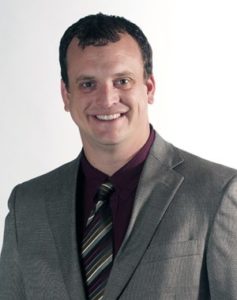
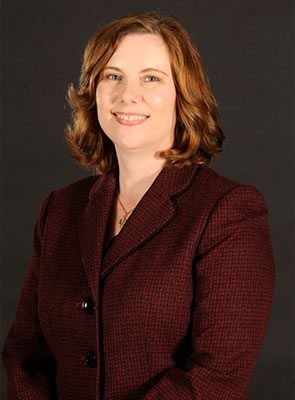
Kennedy_Joshua MD300

In May, Kennedy, whose laboratory is at Arkansas Children’s Research Institute (ACRI) on the Arkansas Children’s Hospital campus, received notice of a five-year $877,000 NIH National Institute of Allergy and Infectious Diseases K08 Award. He is an assistant professor of internal medicine and pediatrics, UAMS College of Medicine Department of Pediatrics, Division of Allergy and Immunology.

Swindle, an assistant professor in the College of Medicine Department of Family and Preventive Medicine, was recently notified she will receive a four-year, $442,583 NIH National Institute of Diabetes and Digestive and Kidney Disease K01 Award.

Kennedy’s grant provides salary and laboratory support for his investigation into how allergies and rhinovirus infections (common colds) work in tandem to create life-threatening symptoms for people with asthma. He will work with patients who experience critical asthma symptoms as a result of rhinovirus infections and allergies, and he will conduct laboratory experiments on donated lung tissue.

The K08 Award program is an intensive, supervised research career development experience, preparing clinical researchers such as Kennedy for careers that have a significant impact on the health-related research needs of the country.
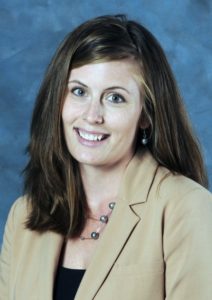
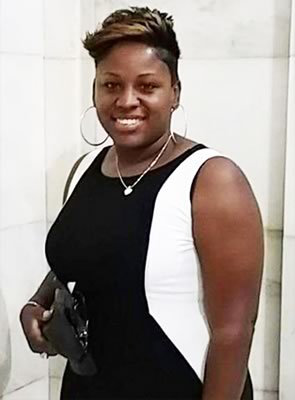
Swindle_Taren_8-15-14 600

Swindle’s research involves the study of a childcare-based nutrition intervention and development of a strategy for implementing the intervention. She will pilot test the implementation strategy and the intervention’s effect on child health outcomes. 

The K01 award is designed to advance Swindle’s expertise and skills in implementation science, child and community nutrition, and community engagement. To help achieve her goals, she will take part in a comprehensive plan of mentored research, didactic education, cross-disciplinary collaborations and structured field studies.

Kennedy and Swindle said their awards were made possible by two years of research support and training they received through the UAMS Translational Research Institute’s KL2 Mentored Research Career Development Scholar Award Program. Kennedy and Swindle were selected for the competitive KL2 program in 2013 and 2014, respectively. 

“The KL2 provided the funds necessary to produce the preliminary data that supported the NIH K08,” Kennedy said. “The grant was reviewed by all of my KL2 award mentors, and the CTSA (NIH Clinical and Translational Science Award) consortium organized a special K club that provided valuable feedback and ultimately helped my application get funded.” 

The KL2 has provided Swindle with training experiences in nutrition, grant writing, and qualitative methods that were critical to her conceptualization of the K01 grant and strengthening her qualifications as a K01 candidate, she said. 

“The protected time for mentored research on the KL2 also allowed me to secure important preliminary data that I was able to use in my K01 application,” she added. “The review committee specifically mentioned my KL2 experience as a strength in my review.” 

UAMS is the state’s only comprehensive academic health center, with colleges of Medicine, Nursing, Pharmacy, Health Professions and Public Health; a graduate school; a hospital; a northwest Arkansas regional campus; a statewide network of regional centers; and seven institutes: the Winthrop P. Rockefeller Cancer Institute, the Jackson T. Stephens Spine & Neurosciences Institute, the Myeloma Institute, the Harvey & Bernice Jones Eye Institute, the Psychiatric Research Institute, the Donald W. Reynolds Institute on Aging and the Translational Research Institute. It is the only adult Level 1 trauma center in the state. UAMS has 3,021 students, 789 medical residents and two dental residents. It is the state’s largest public employer with more than 10,000 employees, including about 1,000 physicians and other professionals who provide care to patients at UAMS, Arkansas Children’s Hospital, the VA Medical Center and UAMS regional centers throughout the state. Visit www.uams.edu or www.uamshealth.com. Find us on Facebook, Twitter, YouTube or Instagram.

Arkansas Children’s Hospital (ACH) is the only pediatric medical center in Arkansas and one of the largest in the United States serving children from birth to age 21. Over the past century, ACH has grown from a small orphanage in Little Rock to a statewide network of care that includes an expansive pediatric teaching hospital and research institute, as well as regional clinics in several counties. ACH also reaches children across the state and nation through a range of telemedicine capabilities that ensures every child has access to the best care available, regardless of location or resources. The hospital’s campus in Little Rock spans 36 city blocks and is licensed for 359 beds. ACH has a staff of 505 physicians, more than 200 residents in pediatrics and pediatric specialties and more than 4,000 employees. A campus under development in northwest Arkansas will bring 233,613 square feet of inpatient beds, clinic rooms and diagnostic services to children in that region of the state. A private nonprofit, ACH boasts an internationally renowned reputation for medical breakthroughs and intensive treatments, unique surgical procedures and forward-thinking research — all dedicated to fulfilling its mission of championing children by making them better today and healthier tomorrow. For more info, visit archildrens.org.

ACRI is a free-standing state-of-the-art pediatric research center which provides a research environment on the ACH campus to foster research and scholarship of faculty members of University of Arkansas for Medical Sciences who are investigating questions relative to development, disease and treatment as it relates to the health of infants, children and adolescents. Physician and biomedical scientist investigators at ACRI and the Arkansas Children’s Nutrition Center (ACNC) conduct clinical, basic science, and health services research for the purpose of treating illnesses and preventing disease and thereby, improving the health of the children of Arkansas and beyond.

Filed Under: Front, News, Newsroom

UAMS Receives NIH Grant for First Comprehensive Study of ‘Synthetic Marijuana’ Dangers

A team of University of Arkansas for Medical Sciences (UAMS) researchers has received a federal grant to conduct the first comprehensive study of the dangers posed by synthetic marijuana products.

The $2.7 million grant from the National Institutes of Health (NIH) National Institute on Drug Abuse (NIDA) will enable a seven-member interdisciplinary research team to determine the toxicity of the man-made cannabinoids and inform policymakers as they consider regulating the products, which are intended to mimic the effects of marijuana.

“Synthetic cannabinoid products such as K2 and Spice are deceptively marketed as safe and legal alternatives to marijuana, but admissions to emergency rooms and calls to poison control centers suggest that they are certainly not safe,” said Paul Prather, Ph.D., the study’s principal investigator and professor in the UAMS College of Medicine Department of Pharmacology and Toxicology. “Users of these products are experiencing psychosis, seizures, heart attacks and even death.”

Since 2015, there have been 83 calls for synthetic cannabinoid exposures to the Arkansas Poison & Drug Information Center at UAMS. Synthetic cannabinoids are psychoactive chemicals often sprayed on plants that have been cut up to look like natural marijuana. They are also sold as powders, tablets and capsules.

Over the next five years, the UAMS team will explore why the synthetic compounds are more toxic than marijuana, even though both activate the same cannabinoid receptors in the brain. Researchers will study the effects of the man-made compounds on human cells in the lab, in mice, and in those who take synthetic cannabinoids and are admitted to the ER at UAMS and ERs in New York.

“When we test patients who have used synthetic cannabinoids, we can identify what specific compounds are being abused, the levels of compounds and their metabolites in patient samples, and we can link this information to the symptoms that brought them into the ER,” said co-investigator Laura James, M.D., a professor in the UAMS College of Medicine Department of Pediatrics, director of the UAMS Translational Research Institute, and Section Chief, Clinical Pharmacology and Toxicology at Arkansas Children’s Hospital. “The significance of this grant is that numerous experts are working across disciplines to produce findings that will directly improve human health and safety.”

“Our goal is to provide the public and scientific community definitive information that these compounds are not an alternate form of marijuana that’s safe,” Prather said. “This would give federal and state agencies grounds for further regulating these compounds.”

In addition, he said, the team’s findings could help lead to antidotes for people with synthetic cannabinoid toxicity.

The NIH/NIDA grant builds on the work of a one-year 2011 pilot study that was conducted by largely the same team and was funded by the Translational Research Institute. That study, led by James, resulted in development of a clinical test by co-investigator Jeffery H. Moran, Ph.D., to determine the presence and amount of the toxic synthetic compounds in a person’s body. Their findings also informed the work of the Arkansas Legislature, which in 2013 added new synthetic cannabinoid groups to the state’s list of controlled substances (Act 329).

As part of the new five-year study, Moran, assistant professor in the Department of Pharmacology and Toxicology and section director of Environmental Chemistry at the Arkansas Department of Health, will identify the synthetic cannabinoids in blood and urine samples obtained from ER patients.

Co-investigator Anna Radominska-Pandya, Ph.D., will determine what enzymes are metabolizing (inactivating) the synthetic cannabinoids.

“The knowledge gained from this work will help researchers predict whether certain populations are more likely to experience adverse effects from the drugs,” said Radominska-Pandya, a professor in the UAMS College of Medicine Departments of Biochemistry and Molecular Biology and Medicine.

Prather will focus on studying the synthetic compounds and metabolites identified from the urine of the ER patients. By analyzing cells expressing human cannabinoid receptors in his lab he will learn which specific synthetic compounds and metabolites bind to the brain’s cannabinoid receptors as well as other aspects of their activity. For example, he said the man-made compounds bind better to cannabinoid receptors and produce greater activity compared to natural marijuana’s main ingredient – tetrahydrocannabinol (THC). These differences in binding and activity may contribute to the synthetic compounds’ toxicity, but researchers don’t yet know the specific culprits.

“No one has ever looked at this,” Prather said. “To this point it’s just conjecture how these compounds and metabolites bind to and activate cannabinoid receptors.”

Prather’s findings will inform the work of co-investigator William Fantegrossi, Ph.D., who will take the compounds and metabolites that bind to the cannabinoid receptors and study their actions in mice.

“Our animal models should help clarify the toxicity associated with these compounds,” said Fantegrossi, associate professor in the Department of Pharmacology and Toxicology. “Right now when a synthetic cannabinoid user is admitted to the ER, we don’t know what component of the drug really contributed to their symptoms.”

Co-investigator Susan Abdel-Rahman, Pharm.D., professor of pediatrics at the University of Missouri, Kansas City, an expert in pharmacokinetics, will provide consultation to assist Fantegrossi and Moran with their experiments to determine how the synthetic cannabinoids are absorbed, distributed and eliminated in the body.

The research team will be alerted to any surges in synthetic cannabinoid use as well as new cannabinoids that require the team’s study by co-investigator Keith McCain, Pharm.D., associate professor in the UAMS College of Pharmacy and clinical toxicologist in the Arkansas Poison & Drug Information Center, who will be monitoring calls to the UAMS Center.

Filed Under: Front, News, Newsroom

TRI Welcomes New Advisory Board Members

The Translational Research Institute has expanded its statewide connections with the addition of four Community Advisory Board members. At the board’s June 21 meeting, TRI welcomed:

  • Emma Agnew, Community Services Manager, City of Jonesboro
  • Holli Boyett, Special Projects Coordinator, South Arkansas Migrant Education, Hope
  • Rev. Charles Heam, Springdale Adventist Fellowship 
  • Jim Miles, Administrator, Enroll the Ridge nonprofit, Jonesboro
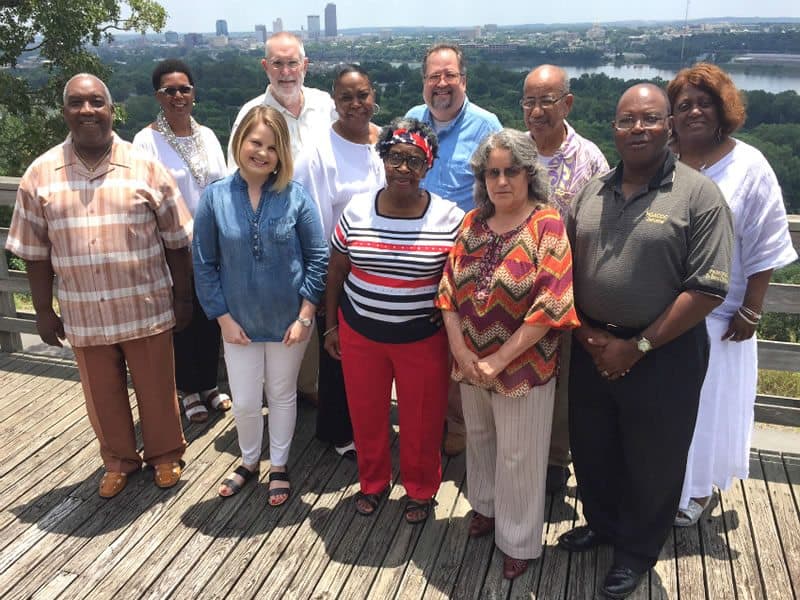
Meeting on VA campus in North Little Rock, are Community Advisory Board members (front l-r): Charles Moore, Camden; Holli Boyett, Hope; Sarah Facen, Little Rock; Margarita Solorzano, Springdale; Rev. Jerome Turner, Marvell; (back l-r) Anna Huff-Davis, Helena-West Helena; Jim Miles, Jonesboro; Emma Agnew, Jonesboro; Rev. Steve Sullivan, North Little Rock; Rev. Charles Heam, Springdale; and Naomi Cottoms, Helena-West Helena.
Meeting on the VA campus in North Little Rock are Community Advisory Board members (front l-r) Charles Moore, Camden; Holli Boyett, Hope; Sarah Facen, Little Rock; Margarita Solorzano, Springdale; Rev. Jerome Turner, Marvell; (back l-r) Anna Huff-Davis, Helena-West Helena; Jim Miles, Jonesboro; Emma Agnew, Jonesboro; Rev. Steve Sullivan, North Little Rock; Rev. Charles Heam, Springdale; and Naomi Cottoms, Helena-West Helena.

The meeting was hosted at the North Little Rock VA by VA Chaplain Steve Sullivan, a member of the Community Advisory Board. TRI Director Laura James, M.D., provided an overview of the institute’s mission and ongoing projects while learning more about their community work. “I was excited to meet the new members of the Community Advisory Board,” James said. “This is a fantastic group. Each member does meaningful work on behalf of their communities, and they have made time to help us, too. I always feel newly inspired when I see them.”  

Filed Under: Front, News

UAMS Invites Public to National Discussion on Women’s Heart Health June 30

The public is invited to participate in a June 30 national conversation about women’s heart health hosted by the University of Arkansas for Medical Sciences (UAMS) Translational Research Institute. The event will be live-streamed and is open to anyone who wants to attend in person or join online and via text messaging. 

Called Our Community, Our Health, the discussion will include a panel with UAMS experts in women’s heart health and an Arkansan with a family history of fatal heart disease. The event will begin with a reception a 4:30 p.m. and the town hall will be 5 – 6 p.m. at the UAMS Donald W. Reynolds Institute on Aging, 629 Jack Stephens Drive, Room 1207. For those who prefer to view and participate online, login at http://bit.ly/1YbqKfM. Questions may be submitted via Twitter at #OCOH or #Womenshearthealth.

Rhonda Mattox, M.D. Moderator
Rhonda Mattox, M.D.
Moderator

Conducted in partnership with the University of Florida, the event is designed to engage the public, especially medically underserved communities, in conversations about important health and research topics. One of three women in the United States die each year from cardiovascular diseases and stroke, and an estimated 44 million women in the United States are affected by cardiovascular diseases. 

“Many communities have been left out of the conversation about health research, so we have chosen this unique town-hall format to share information in an unscripted conversation with the public,” said Kate Stewart, M.D., M.P.H., who directs the Translational Research Institute’s Community Engagement Program. 

The conversation will be moderated by Rhonda Mattox, M.D., medical director of the Arkansas Minority Health Coalition.

Jean McSweeney, Ph.D., R.N.
Christina Pettey, Ph.D., R.N.

Jean McSweeney, Ph.D., R.N., who made international headlines in 2003 with her groundbreaking discovery of women’s unique heart attack symptoms. The professor and associate dean for research in the College of Nursing is focused on these symptoms as well as women’s unique risk factors for heart disease. She recently highlighted these risk factors in the American Heart Association’s premier journal, Circulation, and hopes it will raise awareness among women’s doctors so that they may modify their practices to improve health outcomes.

Christina Pettey, Ph.D., R.N., a fellow of the American Heart Association and assistant professor at the UAMS College of Nursing. Her research has focused on examining the causes of cardiovascular health disparities and identifying ways to eliminate them.

Kimberly Moore

Kimberly Moore, of Little Rock, who lost her mother and sister to cardiomyopathy, a chronic disease of the heart muscle. Moore and a brother have also been diagnosed with heart disease. Moore has cardiomyopathy as well as arrhythmogenic right ventricular dysplasia (ARVD). She has a pacemaker and keeps a defibrillator close by.

Filed Under: Front, News

TRI Makes Plain-Language Consent Templates Available to Clinical Researchers

Plain_Language

The Translational Research Institute (TRI), the Center for Health Literacy and the IRB have collaborated to develop Plain-Language Consent Templates on a 5th to 6th grade reading level to improve participants’ comprehension of research procedures. 

Consent forms often have complex sentence structure and use vocabulary that make it difficult for the average adult to understand. Using a Plain-Language Consent can improve a participant’s ability to understand study procedures they are consenting for without compromising the content of the consent.

You can find these Plain-Language Consent Templates on TRI’s website.

Filed Under: News, Newsroom

UAMS/UTHSC Set ‘Research in Substance Abuse Mini-Symposium,’ June 8 

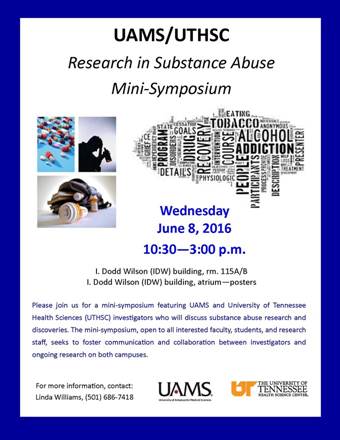
UAMS and the University of Tennessee Health Science Center (UTHSC) will hold a “Research in Substance Abuse Mini-Symposium,” June 8, 10:30-3:30 p.m., Wilson Education Building, room 115 A/B.

All interested faculty, students and research staff are invited to hear investigators discuss their substance abuse research and discoveries. The symposium seeks to foster communication and collaboration between investigators at both institutions. 

Filed Under: News, Newsroom

Give Your Grant Application a Competitive Edge

Grant

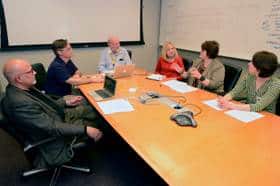
UAMS investigators, if you want to ensure that your grant application is ready to compete for extramural funding, consider attending a Mock Study Section. These TRI-sponsored sessions are led by experienced faculty researchers with strong track records of external funding.

Reviews are available for laboratory, animal and human subjects projects and may be requested for any external grant application (e.g., NIH, CDC, DOD, USDA, etc.). Both new applications and resubmissions will be considered. Learn more.

Request a Mock Study Section.

TRI offers a range of services to investigators at UAMS, Arkansas Children’s Research Institute and Central Arkansas Veterans Healthcare System, including advice and consultation, biomedical informatics, biostatistics, regulatory matters, and protocol development. Visit our website to learn more about our services: TRI.uams.edu.

Filed Under: News, Newsroom

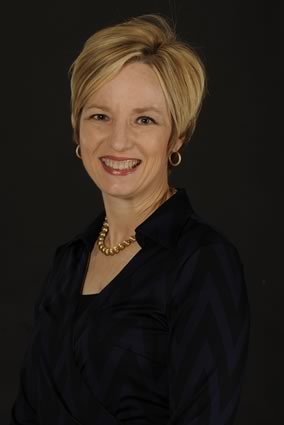
Laura James, M.D., Named UAMS Associate Vice Chancellor for Clinical and Translational Research

Laura James, M.D., has been named associate vice chancellor for clinical and translational research at the University of Arkansas for Medical Sciences (UAMS).

James will continue as director of the UAMS Translational Research Institute, a position she has held since 2014, while expanding her role over the institution’s clinical and translational research efforts, said UAMS Chancellor Dan Rahn, M.D.

Laura James, M.D.
Laura James, M.D.

“Translational science is at the heart of our research mission,” Rahn said. “We want to ensure that our researchers have the tools they need to make discoveries and that new knowledge can be applied to improving health and health care as quickly and efficiently as possible. Dr. James is vital to this effort.”

James, as Translational Research Institute director, has overseen development of key services to help researchers achieve their clinical and translational science goals, including:

  • An online researcher-to-researcher networking/collaboration tool called UAMS Profiles
  • An automated services portal for researchers that ensures TRI’s timely assistance with a range of research needs
  • An updated website for researchers, TRI.uams.edu
  • Creation of ARresearch.org, a website and registry for Arkansans who want to participate in research, which will help UAMS researchers more quickly identify research volunteers
  • Creation of a new speaker’s series to education UAMS researchers about opportunities for health sciences innovation and entrepreneurship
  • Decreased by more than 60 percent the time for launching clinical trials that utilize TRI assistance with budget development and negotiations
  • Increased collaboration with other research institutions that are members of the Clinical and Translational Science Award (CTSA) consortium.

James, a professor in the Department of Pediatrics, has a 22-year history of translational research in clinical pharmacology and toxicology at UAMS and Arkansas Children’s Hospital. She has held continuous funding from the National Institute of Diabetes and Digestive and Kidney Diseases since 1999. As a clinician-scientist and founder of the startup company Acetaminophen Toxicity Diagnostics, LLC, she and colleagues developed a rapid diagnostic test for acetaminophen liver injury. In 2014 she was named inaugural fellow of the Arkansas Research Alliance (ARA).

The Translational Research Institute was established with significant UAMS support after receiving a 2009 Clinical and Translational Science Award (CTSA) from the National Institutes of Health (NIH) National Center for Advancing Translational Sciences (NCATS).  The institute’s research services also include biostatistics, biomedical informatics, community engagement, and clinical trials services ranging from budget development and negotiation, regulatory assistance, trial recruitment and research coordination.

James received her medical degree from the University of South Carolina and completed a pediatrics residency at UAMS. She completed fellowships in Pediatric Emergency Medicine and Pediatric Pharmacology and Toxicology at the University of Alabama at Birmingham and UAMS, respectively.

Filed Under: Front, News

KL2 Alums Gain Traction, Funding for Community-Based Initiatives

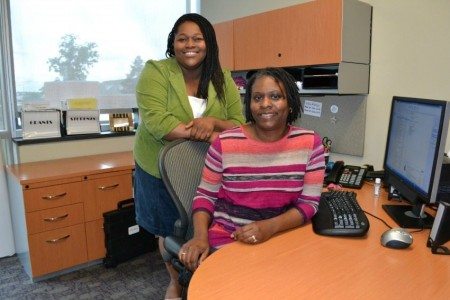
Tiffany Haynes, Ph.D., and Keneshia Bryant-Moore, Ph.D.

Keneshia Bryant-Moore, Ph.D., F.N.P., R.N., and Tiffany Haynes, Ph.D., began their research careers as KL2 scholars in 2011 and 2012, respectively. Today they are on solid footing as federally funded researchers.

Bryant-Moore, an associate professor in the Fay W. Boozman College of Public Health, is the principal investigator of a $110,000 Patient-Centered Outcomes Research Institute (PCORI) award. The funding complements her $1 million 2014 Health Resources and Services Administration grant supporting her effort to bring together Arkansas faith leaders, educators, researchers and health care providers for the annual Community-Campus Partnership Conference.

“The TRI KL2 scholars program launched my research engagement with the faith community which inspired the theme of this year’s conference,” Bryant said. She noted the assistance of Kate Stewart, M.D., M.P.H., and Camille Hart, M.P.H., from TRI’s Community Engagement program. Her collaborators also include Haynes and KL2 alum Brooke Montgomery, Ph.D.

“I am truly grateful for TRI’s support,” she said.

Haynes, an assistant professor in the College of Public Health, was recently awarded $2.1 million for a faith-based mental health intervention in the Delta. Haynes is co-principal investigator with Karen Yeary, Ph.D. Bryant-Moore is a co-investigator, and two other KL2 alums – Dennis Kuo, M.D., M.P.H., and Elvin Price, Pharm.D., Ph.D., are on the project’s steering committee. The five-year NIH grant will allow the team to test the intervention’s effectiveness as well as strategies for sustaining the intervention.

Haynes, a clinical psychologist, said the intervention is led by lay people, helping improve mental well-being through preventive approaches. Anyone experiencing depression or other mental illness will be guided to a mental health professional.

In addition to two years of KL2 support, Haynes said she was aided by TRI’s research forums.

“This intervention can improve the lives of many people, and it wouldn’t have been possible without the support of TRI,” Haynes said.

Filed Under: Front, News, Newsroom

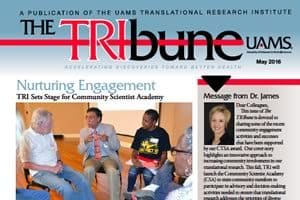
The TRIbune Features Community Engagement

There are some exciting developments on UAMS’ community engagement front, and we focus on those in the May TRIbune. Our cover story is about TRI’s efforts leading up to UAMS’ first Community Scientist Academy; we’ve held two research information sessions that were well attended by the public, and we are planning more sessions this summer. We also highlight Sarah Facen, a member of TRI’s Community Advisory Board, with our TRI & Me feature. The Academy is the brainchild of Facen, who is a longtime community advocate with deep ties to her South End neighborhood in Little Rock. We also feature two recent successes of our KL2 alums, Keneshia Bryant-Moore, Ph.D., F.N.P., R.N., and Tiffany Haynes, Ph.D., as well as ARresearch.org and your TRI-supported publications.    

Download Newsletter | Newsletter Archive

TRIbune May 2016-300

Filed Under: Front, News, Newsroom

  • «Previous Page
  • Page 1
  • Interim pages omitted …
  • Page 14
  • Page 15
  • Page 16
  • Page 17
  • Page 18
  • Interim pages omitted …
  • Page 29
  • Next Page»
Translational Research Institute LogoTranslational Research InstituteTranslational Research Institute
Mailing Address: 4301 West Markham Street, Little Rock, AR 72205
Phone: (501) 686-7000
  • Facebook
  • X
  • Instagram
  • YouTube
  • LinkedIn
  • Pinterest
  • Disclaimer
  • Terms of Use
  • Privacy Statement
  • Legal Notices

© 2026 University of Arkansas for Medical Sciences