• Skip to primary navigation
  • Skip to main content
  • Skip to primary navigation
  • Skip to main content
Choose which site to search.
University of Arkansas for Medical Sciences Logo University of Arkansas for Medical Sciences
Translational Research Institute
  • UAMS Health
  • Jobs
  • Giving
  • About TRI
    • What We Offer
    • Leadership & Governance
    • Staff
    • Citing Translational Research Institute CTSA Support
    • What is Translational Research?
    • Contact TRI
  • Funding Opportunities
    • Grants
      • Pilot Award Program
      • Consortium of Rural States (CORES) Multi-Institutional Pilot Award Program
      • Team Science Voucher Program
      • Winthrop P. Rockefeller Cancer Institute Rural Research Award Program
    • Scholarships
      • K12 Mentored Research Career Development Scholar Awards Program
      • Health Sciences Innovation and Entrepreneurship Postdoctoral Training Program
      • Implementation Science Scholar Program
      • (STARs) Program – Strategies for Training and Advancing Researchers
      • SMART Program [Master’s in Clinical and Translational Sciences (MS-CTS)]
    • Community
      • Community Based Participatory Research (CBPR) Scholars Program
      • Community Partners Educated as Arkansas Research Leaders (CPEARL) Program
    • Awardee Responsibilities
  • Services & Resources
    • Services
      • Biostatistics, Epidemiology and Research Design (BERD) Consultation
      • Clinical Data Repository (AR-CDR)
      • Comprehensive Informatics Resource Core
      • Mock Study Sections
      • Research Participant Recruitment
      • Research Support: Clinical Trials Innovation Unit (CTIU)
      • Implementation Science Program
      • Research Ethics Consultation
    • Resources
      • ARresearch Registry
      • Center for Health Literacy
      • Data Safety Monitoring
      • Grant Writing & Dissemination
      • UAMS Profiles
      • UAMS Rural Research Network
      • Other Resources
      • COVID-19 Research Guidelines
      • Community Partner Research Training
  • Career Development & Scholarships
    • Scholarship Opportunities
      • K12 Mentored Research Career Development Scholar Awards Program
      • Health Sciences Innovation and Entrepreneurship Postdoctoral Training Program
      • Data Science Scholars Program
      • Implementation Science Scholar Program
      • SMART Program
      • Translational Research Innovations and Partners (TRIP) Program
    • Training & Educational Opportunities
      • innOVATION Seminar Series
      • Path 2 K Program
      • Translational Workforce Development
      • Graduate Certificate in Implementation Science
      • SMART Program [Master’s in Clinical and Translational Sciences (MS-CTS)]
      • Good Clinical Practice Training
    • Didactic Training
  • Community
    • Community Engagement Leadership
    • Community Advisory Board
    • Community Engagement Partners
      • Community Partner Celebration
      • Faith-Academic Initiatives for Transforming Health (FAITH) Network
    • Community Engagement Services
      • Consultations and Technical Assistance
      • Community Review Boards
      • Community Partner Research Training
      • Equipment Library
    • Programs and Funding
      • Community Partners Educated as Arkansas Research Leaders (CPEARL) Program
      • Community Based Participatory Research (CBPR) Scholars Program
      • Community Scientist Academy
    • Toolkits
      • CSA Online Toolkit
      • CPEARL Toolkit
  • Events
    • Research Day
    • Clinical Trials Learning Collaborative
  • Newsroom
  1. University of Arkansas for Medical Sciences
  2. Translational Research Institute
  3. Newsroom
  4. Page 18

Newsroom

TRI Names Four Career Development Scholar Recipients

TRI’s Career Development Scholars Program has selected four early-career researchers to receive two years of funded support and mentored translational research training. 

The program, which selects scholars through a competitive application process, provides 75% salary support and up to $25,000 per year for research, tuition, travel and education.

The KL2 Career Development Scholars (funded by TRI’s Clinical and Translational Science Award) are:

Maryam Y. Garza, Ph.D., M.P.H., M.M.Ci., Instructor in the Department of Biomedical Informatics
Project Title: Innovative Solutions to Streamline Data Collection, Exchange, and Utilization in Translational Research

Tremaine Williams, Ed.D., Assistant Professor in the Department of Biomedical Informatics
Project Title: Quantifying Clinical Team Social Network Influences on Care of Medically Complex Patients Using an Electronic Medical Record (EMR)

Adam Wolfe, M.D., Ph.D., Assistant Professor of Radiation Oncology- Project Title: “Targeting Homologous Repair to Overcome Genotoxic Therapy Resistance in Pancreatic Cancer”

The Institutional Career Development Scholar (funded by the Winthrop P. Rockefeller Cancer Institute) is:

Yong-Chen “William” Lu, Ph.D., Assistant Professor in the Department of Pathology
Project Title: A pilot study of developing T cell-based cancer immunotherapies

Filed Under: Front, News, Newsroom

UAMS Translational Research Institute Names Six Entrepreneurship Scholars

The UAMS Translational Research Institute (TRI) Health Sciences Innovation and Entrepreneurship (HSIE) Postdoctoral Training Program has named six postdoctoral scholars for its class of 2023. The scholars, selected in a competitive application process, will begin two years of mentored entrepreneurship training July 1.

The program, which includes stipends up to $57,000 per year, is designed to help promising scientists more quickly move their discoveries into everyday practice by teaching them commercialization and team science skills.

The HSIE Postdoctoral Scholars – all from the UAMS College of Medicine – their research project plans and mentors are:

Laura Ewing, Ph.D., Department of Biochemistry and Molecular Biology and Winthrop P. Rockefeller Cancer Institute. Her project will focus on identifying predictors of the development, progression or recurrence of different types of ovarian cancer.
Mentor: Michael Birrer, M.D., Ph.D.

Kindann Fawcett, Ph.D., Department of Pediatric Neurology at Arkansas Children’s Hospital (ACH). Her project will focus on development of a tool to assess risk and best practices in regards to nutrition and its role in the standard care provided for patients at ACH and UAMS. Secondly, she will focus on the creation of a digital media and virtual, interactive learning platform for nutrition and exercise curriculum to educate the youth of Arkansas.
Mentor: Aravindhan Veerapandiyan, M.D.


Tiffany Miles, Ph.D., Department of Neurobiology and Developmental Sciences.
Her project will focus on hormonal deficiencies related to obesity and then establishing a platform to educate Arkansans on the impact of maternal nutrition in offspring development.
Mentor: Angus MacNicol, Ph.D.

Thomas Nienaber, M.D., Department of Pediatrics – Division of Neonatology. His project will address improving the neonatal mechanical ventilation by optimizing the endotracheal tube.
Mentor: Kevin Sexton, M.D.

Megan Reed, Ph.D., Department of Biochemistry and Molecular Biology. Her project will focus on the use of comparative transcriptomics pipeline to generate and validate patient-specific treatment options for glioblastoma tumors.
Mentors: Alan Tackett, Ph.D., and Analiz Rodriguez, M.D., Ph.D.

Julia Tobacyk, Ph.D., Department of Pharmacology and Toxicology. Her project will focus on the development of new treatments for opioid use disorder in pregnancy.
Mentor: Lisa Brents, Ph.D.


The program, which includes stipends up to $57,000 per year, is designed to help promising scientists more quickly move their discoveries into everyday practice by teaching them commercialization and team science skills.

It is supported by the NRSA Training Core (TL1) component of the UAMS Clinical and Translational Science Award, grant TL1 TR003109.

“Our program goal is to accelerate biomedical discoveries to improve health and health outcomes,” said Nancy Rusch, Ph.D., who co-directs the program for the UAMS Translational Research Institute. “I am very enthusiastic about this group of scholars. They all have exceptional talent and they are pursuing projects than can make a real difference.”

The HSIE Postdoctoral Training Program has traditionally provided support annually for eight postdoctoral fellows (four in each year of the two-year program).  However, this year the program was able to admit a clinical fellow in addition to five postdoctoral fellows. The expansion relied on postdoctoral stipends provided by the Winthrop P. Rockefeller Cancer Institute, the Arkansas Children’s Research Institute, and the Department of Pediatrics – Division of Neonatology. The program curriculum represents a partnership between the UAMS Translational Research Institute and the Entrepreneurship Graduate Program in the Sam M. Walton College of Business at the University of Arkansas, Fayetteville.

In addition to Rusch, professor and chair of the Department of Pharmacology and Toxicology and executive associate dean for research in the College of Medicine, the program’s leadership team includes co-director Kevin Sexton, M.D., associate professor in the Department of Surgery, and Nancy Gray, Ph.D., president of BioVentures and professor in the Department of Pharmacology and Toxicology. Pamela Kahler is program manager. 

The first group of HSIE Scholars named in July 2019, who will be graduating from the program this spring are: Melody Greer, Ph.D. (mentor, Fred Prior, Ph.D.), Samir Jenkins, Ph.D. (mentor, Robert Griffin, Ph.D.), Astha Malhotra, Ph.D. (mentors, Amanda Stolarz, Pharm.D., Ph.D.; and Jawahar Mehta, M.D., Ph.D.), and Aaron Storey, Ph.D. (mentor, Rick Edmondson, Ph.D.).  The second group of HSIE Scholars named in July 2020 are: Emilie Darrigues, Ph.D. (mentor, Analiz Rodriguez, M.D., Ph.D.), Shana Owens, Ph.D. (mentor, Craig Forrest, Ph.D.), John Sherrill, M.P.H., Ph.D. (mentor, David Bumpass, M.D.), and Zachary Waldrip, Ph.D. (mentor, Marie Burdine, Ph.D.)

Filed Under: Front, News, Newsroom

Research Academy Scholar Receives $2.46 Million NIH Grant for Kidney Research

A National Institutes of Health (NIH) grant will allow UAMS researcher Nirmala Parajuli, DVM, Ph.D., to study a novel way to improve the long-term outcomes of patients who receive kidneys from deceased donors.

Parajuli, an assistant professor in the College of Medicine Department of Pharmacology and Toxicology, will use the five-year $2.46 million grant to study a drug therapy that could reduce damage to donated kidneys during cold storage.

Transplants from deceased donors account for about 70% of all kidney transplants, and long-term outcomes are generally poor.

“There are about 100,000 patients waiting for kidney transplants, and many of them will die while they are waiting,” Parajuli said. “My goal is to reduce the kidney injury caused by cold storage and increase the pool of healthy kidneys available to the people who need them.”

In her preclinical research, she is testing drugs mixed in the solution used to store kidneys from rats and donated human kidneys that were rejected for transplantation.

The drugs, Parajuli hopes, will block the molecular pathways that play a role in kidney injury during storage, which ultimately will increase long-term kidney survival.

As a UAMS Research Academy Scholar, Parajuli received training and other support to develop her grant submission. The academy’s Mentored Grant-Writing program is supported by the UAMS Division of Research and Innovation, the Translational Research Institute, and the Winthrop P. Rockefeller Cancer Institute.

The Translational Research Institute is supported by a Clinical and Translational Science Award from the NIH National Center for Advancing Translational Sciences.

Filed Under: Front, News, Newsroom

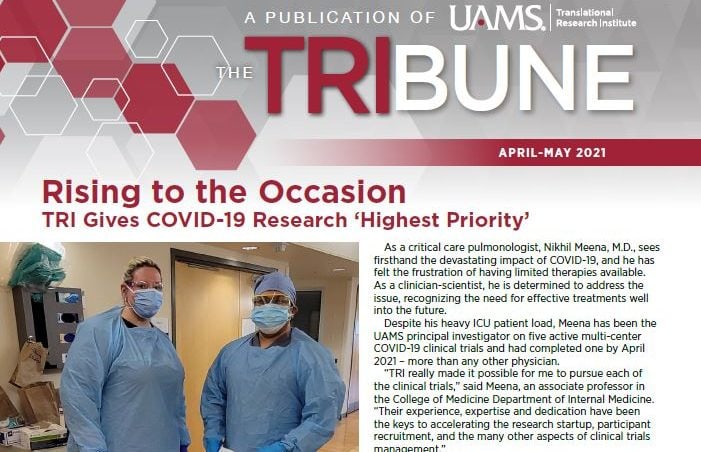
The April-May TRIbune

The April-May TRIbune tells the story of the response to COVID-19 by TRI and our UAMS researchers. UAMS clinicians stepped forward and the TRI team rallied to support 92 COVID-19-related research projects. 

This issue also highlights the life-saving role played by the Implementation Science Scholars program in helping Kapil Arya, M.D., quickly set up a statewide newborn screening process for spinal muscular atrophy.

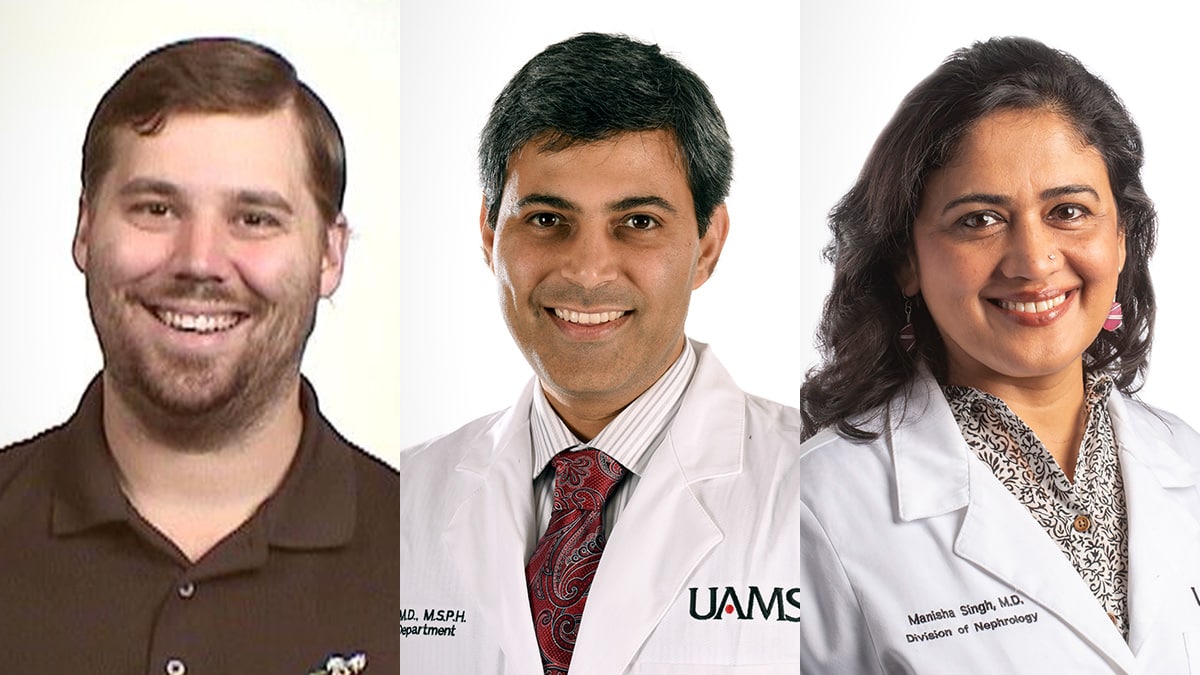
You’ll also read about utilization of the UAMS Rural Research Network to help a new COVID-19 study led by Wendy Nembhard, Ph.D., M.P.H., and the TRI-supported COVID-19 ACTIV-4 ACUTE trial, led by Srikanth Vallurupalli, M.D.  Read The TRIbune.

Filed Under: Front, News, Newsroom

UAMS Physician’s New Skills and Lucky Timing Save Vilonia Baby from Deadly, Disabling Disease

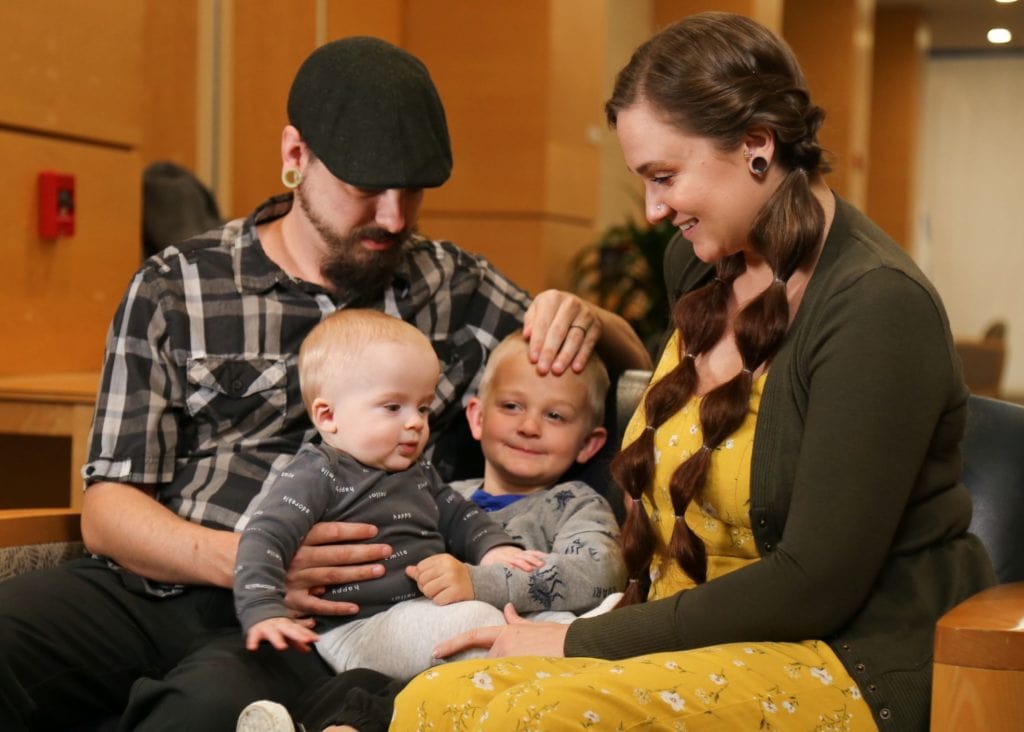
Darrell and Elaine Hurst with their two sons, Oliver (left) and Paxton. Oliver was born last year with Spinal Muscular Atrophy, a disease that could have killed him if not for a newborn screening implemented by UAMS’ Kapil Arya, M.D., and a new treatment.

Oliver Hurst owes his life to a luckily timed move across the country. His father and mother, who was then three months pregnant with Oliver, arrived in Vilonia from California in March 2020.

At the time, UAMS’ Kapil Arya, M.D., was developing strategies as a UAMS Translational Research Institute Implementation Science Scholar to establish statewide newborn screenings for spinal muscular atrophy (SMA), a rare disease that can disable a newborn within months.

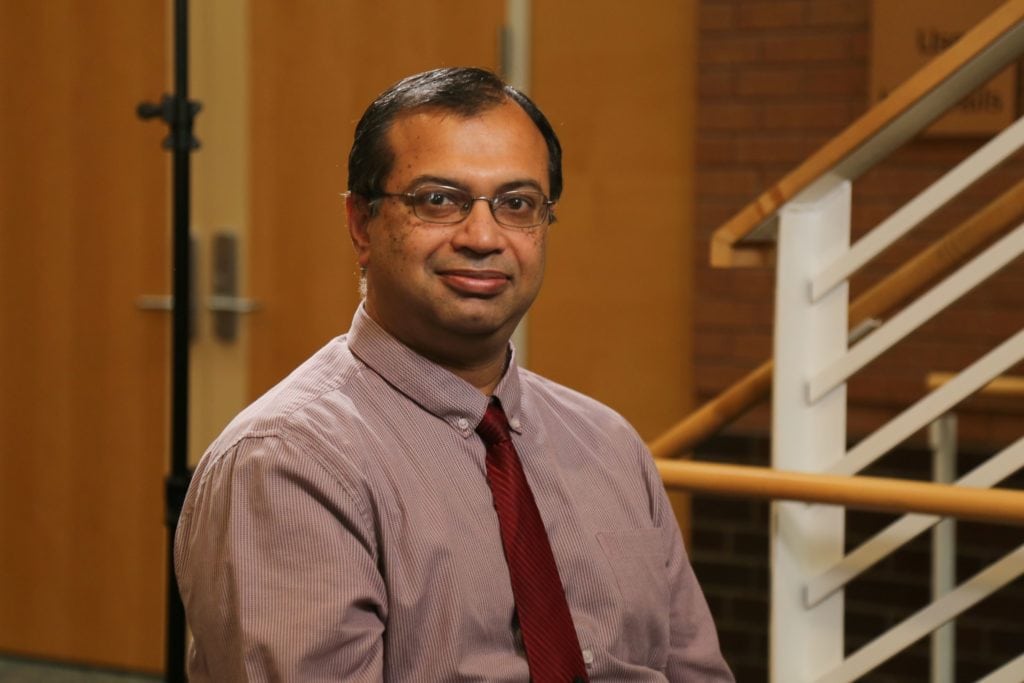
Kapil Arya, M.D., credits the Translational Research Institute-supported Implementation Science Scholars program for helping him quickly implement the SMA newborn screening statewide.

The only effective treatment for SMA is a single-dose $2.1 million gene editing therapy – the most expensive one-time treatment in the world, Arya said. It must be provided within a few weeks of birth to counter the most severe form of SMA, which can be fatal in the first few years of life. Less severe forms can cause a lifetime of disability.

Arya, an associate professor in the College of Medicine Department of Pediatrics, Division of Neurology, is part of the 2020 Implementation Science Scholar class, which is conducted by the UAMS Center for Implementation Research. He saw the program as an opportunity to learn skills that would help him implement the statewide SMA screening.

“Implementation science is the science of teaching you how to do a particular thing in the best way possible,” said Arya, who treats patients at Arkansas Children’s Hospital. “I knew the goals we wanted to achieve with the newborn screening, and implementation science taught me how to achieve those goals.”

The Arkansas SMA screening law was enacted in 2019, but a complex system was still necessary to make the screening routine across the state. Arya helped facilitate the purchase and validation of sophisticated testing equipment, developed training programs and created materials to reach all corners of the state. He also worked with insurers to secure coverage of the treatment cost, and persuaded them to accelerate their approval timeline by several months.

By the time Oliver was born at Conway Regional Medical Center in August, the screenings were being conducted statewide.

The scholars program may have given him the skills to implement the screening, but Arya’s tireless commitment also played a role, said Sara Landes, Ph.D., his primary mentor as a core faculty member at the Center for Implementation Research.

“To go from legislation to full implementation so fast sounds made-up – it just doesn’t usually work that way,” said Landes, an associate professor in the College of Medicine Department of Psychiatry. “He has engaged with stakeholders at all levels – patients, providers, health systems, payers and policymakers. It’s really impressive.”

With about 1 in 10,000 newborns diagnosed with SMA, Arkansas will have an estimated three to four cases each year.

Oliver happened to be one of them in 2020. His mother, Elaine Hurst, said she and her husband Darrell were “wrecked” by the news but hopeful the proposed treatment would work.

Oliver received the single dose infusion of Zolgensma, which uses a common virus to carry the gene-editing tools that should cure him of SMA. 

So far so good, Hurst said, and she is thankful for her family’s good fortune. California, they learned later, did not have the SMA screening when Oliver was born.  

“Moving to Arkansas saved Ollie’s life,” she said.

Filed Under: Front, News, Newsroom

UAMS Cancer Researcher Receives $1.1 Million as Part of NIH Grant at UA, Fayetteville

Isabelle Racine Miousse, Ph.D., is studying the role of a common nutrient in cancer in cancer treatment.
Isabelle Racine Miousse, Ph.D., is studying the role of a common nutrient in cancer treatment.

A National Institutes of Health (NIH) grant will allow UAMS researcher Isabelle Racine Miousse, Ph.D., to ramp up her study of a nutrient that may have a role in the effectiveness of immunotherapy for cancer patients.

Miousse will receive $220,000 per year for up to five years as one of four project leaders at the Arkansas Integrative Metabolic Research Center, a new NIH-funded Center of Biomedical Research Excellence (COBRE) at the University of Arkansas, Fayetteville. The university announced April 6 that the center will receive $10.8 million over five years.

The funding will support Miousse’s preclinical cancer studies involving methionine, an amino acid important for human growth and derived primarily from consuming meat.

Miousse, an assistant professor in the UAMS College of Medicine Department of Biochemistry and Molecular Biology, will test whether reducing dietary methionine can improve results of immunotherapy drugs used to treat melanoma patients.

“This has never been tried in combination with immunotherapy drugs,” Miousse said, noting that immunotherapy alone works remarkably well, but only for 50% of melanoma patients. “So far the results of this research are very encouraging, and I am hopeful that this next phase of study will take us into clinical trials.”

Unlike most cancer treatments, she notes, this one has beneficial side effects.

“Reducing methionine in the diet promotes the metabolism of fats and sugars in animal models,” Miousse said. “Methionine restriction could fight cancer and improve general health at the same time.”

Miousse’s work has been supported by the UAMS Translational Research Institute’s two-year KL2 Mentored Research Career Development Award for promising early career researchers. The KL2 provides salary support, research seed funding of $50,000 and translational research training. The institute is supported by a Clinical and Translational Science Award from the NIH National Center for Advancing Translational Sciences.

Filed Under: Front, News, Newsroom

Read the March TRIbune

https://tri.uams.edu/wp-content/uploads/2021/03/2103226-TRIbune-MARCH-2021_WEB.pdf

The March TRIbune newsletter arrived with a timely update on the work of UAMS early career researchers in the Health Sciences Innovation and Entrepreneurship (HSIE) Scholars program for postdoctoral fellows.

Check out how this innovative new program is affecting UAMS’ research enterprise and the progress of the talented scholars who are wrapping up the second and final year of the program.

Read The TRIbune.

Filed Under: Front, News, Newsroom

The February TRIbune Is Here!

In just one year, five UAMS clinicians have identified patient care gaps and have already begun implementing strategies for improving outcomes. 

The clinicians, who make up the inaugural class of the UAMS Implementation Science Scholars Program, have impressed their mentors, program leaders and, more recently, an outside evaluator.  Read the full story in The TRIbune.  e

Filed Under: News, Newsroom

Hendrix Students Learning Translational Research in UAMS Partnership

Through a partnership with the University of Arkansas for Medical Sciences (UAMS), Hendrix College students have a unique opportunity to address a critical human health issue in the new Clinical and Translational Research Immersion (CTRI) Program.

Andres Caro, Ph.D., a professor of chemistry at Hendrix, is leading the educational components of the program in collaboration with the UAMS-administered Arkansas IDeA Network of Biomedical Research Excellence (Arkansas INBRE) and the UAMS Translational Research Institute. It is supported by a $165,326 grant from the National Institute of General Medical Sciences of the National Institutes of Health (NIH).

The program began in the fall 2020 semester with three students interested in biomedical science careers; three additional students joined this semester, and three more will participate this summer. Caro noted that there are few opportunities for undergraduate students to conduct translational research, which includes human study participants. Translational research is the process of rapidly applying new knowledge and discoveries to deliver treatments or practices that improve health.

“Translational medicine is the future of therapy, and the CTRI Program will introduce Hendrix students to this cutting-edge field,” Caro said.
The program is providing the students with a team-based translational research experience as part of an ongoing opioid study that involves eight UAMS researchers.

Arkansas INBRE’s mission is to build biomedical research capacity across the state. Lawrence Cornett, Ph.D., director, said the CTRI program is a great addition to INBRE’s efforts.

Increasing the number of future researchers is also a focus of the Translational Research Institute.

“We’re excited to be part of this collaboration,” said Laura James, M.D., director of the institute. “It allows us a unique opportunity to teach the principles of translational research beyond UAMS. This is crucial to expanding the research education pipeline and developing future translational scientists.”

The project also enables the expansion of an ongoing study of neonatal opioid drug withdrawal, led by Clare Nesmith, M.D., an associate professor in the College of Medicine Department of Pediatrics, Division of Neonatology. The addition of a second clinical site at the University of Louisville will allow investigators to better understand factors that predict the development of neonatal opioid withdrawal syndrome in newborns. Lori Devlin, D.O., an associate professor in the Department of Pediatrics, Division of Neonatal Medicine, and Janice Sullivan, M.D., a professor and vice chair for Pediatrics Research in the Department of Pediatrics, are leading the study at the University of Louisville site.

The Arkansas INBRE program involves most of the state’s universities and colleges working toward the same goal of encouraging interest in and supporting cutting-edge scientific research that, ultimately, benefits the state as a whole.

“Research experiences are widely recognized to benefit undergraduate students in a number of ways,” Caro said. “Students who conduct research are more likely to complete a baccalaureate degree, pursue additional training in either graduate school or professional school, and go on to a career in research.”

Arkansas INBRE is funded under the NIH Institutional Development Award Program, or IDeA. The UAMS-based Arkansas INBRE program manages the initiative for partners that include the University of Arkansas at Pine Bluff, Arkansas State University, Hendrix College, Ouachita Baptist University, John Brown University, the University of Arkansas at Little Rock and others. Along with UAMS, the University of Arkansas, Fayetteville participates as a research-intensive institution.

The Translational Research Institute is supported by the NIH National Center for Advancing Translational Sciences.

A private liberal arts college in Conway, Arkansas, Hendrix College consistently earns recognition as one of the country’s leading liberal arts institutions, and is featured in Colleges That Change Lives: 40 Schools That Will Change the Way You Think About Colleges. Its academic quality and rigor, innovation and value have established Hendrix as a fixture in numerous college guides, lists and rankings. Founded in 1876, Hendrix has been affiliated with the United Methodist Church since 1884. To learn more, visit www.hendrix.edu.

UAMS is the state’s only health sciences university, with colleges of Medicine, Nursing, Pharmacy, Health Professions and Public Health; a graduate school; hospital; a main campus in Little Rock; a Northwest Arkansas regional campus in Fayetteville; a statewide network of regional campuses; and seven institutes: the Winthrop P. Rockefeller Cancer Institute, Jackson T. Stephens Spine & Neurosciences Institute, Harvey & Bernice Jones Eye Institute, Psychiatric Research Institute, Donald W. Reynolds Institute on Aging, Translational Research Institute and Institute for Digital Health & Innovation. UAMS includes UAMS Health, a statewide health system that encompasses all of UAMS’ clinical enterprise including its hospital, regional clinics and clinics it operates or staffs in cooperation with other providers. UAMS is the only adult Level 1 trauma center in the state. U.S. News & World Report named UAMS Medical Center the state’s Best Hospital; ranked its ear, nose and throat program among the top 50 nationwide; and named six areas as high performing — COPD, colon cancer surgery, heart failure, hip replacement, knee replacement and lung cancer surgery. UAMS has 2,876 students, 898 medical residents and four dental residents. It is the state’s largest public employer with more than 10,000 employees, including 1,200 physicians who provide care to patients at UAMS, its regional campuses, Arkansas Children’s Hospital, the VA Medical Center and Baptist Health. Visit www.uams.edu or www.uamshealth.com. Find us on Facebook, Twitter, YouTube or Instagram.

Filed Under: Front, News, Newsroom

TRI Names Seven Community/Academic Partnerships for Training and Potential Research Funding

Illustration showing diverse group

The UAMS Translational Research Institute (TRI) Community Engagement Program has selected seven teams of community members and researchers that have partnered to participate in training and jointly develop community-based participatory research projects.

The Community-Based Participatory Research (CBPR) Scholars teams will work through learning modules and participate in online discussions and mentoring to develop health disparities research projects in competition for pilot grants up to $50,000. The teams will learn to apply the principles of CBPR, a collaborative approach that works to involve all partners throughout the research process. Starting with a health-related research topic that is important to the community, the teams will use their new knowledge to improve health outcomes across all communities.

“The CBPR Scholars program marks an exciting milestone for us,” said Kate Stewart, M.D., MPH, director of the TRI Community Engagement Program. “It is the next big step in our years-long efforts to engage Arkansans in the research we do at UAMS. We are very excited about the seven partnerships that are participating in the program, and we look forward to working with them to develop research-based, sustainable health improvements.”

The academic/community partnership teams are:

  • Academic: Gerry Ezell, M.D., Jennifer Naylor, Ph.D.
    Community: River City Ministries: Paul Wilkerson and Steven Morris                                       
  • Academic: Brooke Montgomery, Ph.D.
    Community: Our House: Maureen Martin
  • Academic: Sanjay Maraboyina, M.D.,  Analiz Rodriguez, M.D., Ph.D., Cynthia Dillport, LCSW, and Harriet Farley, LCSW
    Community: Home for Healing: Ronnie Fehrenbach and Goodness Village: Janet Webb
  • Academic: Eva Woodward, Ph.D., Jennifer Gan, and Irenia Ball
    Community: AR Freedom Fund: Rae Brown, Anthony Smith and Heather Brown
  • Academic: Melissa Zielinski, Ph.D., Katy Allison, Ph.D.
    Community: AR Foundation for Suicide Prevention: Susie Reece and Wendy Thompson
  • Academic:  Wendy Nembhard, Ph.D.,  Katie Brown, O.D., Kirk Leach, Ph.D. (UALR), Jennifer Gan, Leah Dawson, Ph.D., Joe Schaffner, Maria Ruvalcaba
    Community: Shepherd’s Hope: Sofia Dulanto, Amy Ford (Baptist Health)
  • Academic: Deanna King, M.D., Ph.D.,  Charia Hall, Au.D., Rachel Glade, Ph.D. (University of Arkansas, Fayetteville)
    Community: AR Hands and Voices: Mandy Jay, Liana Robbins

Filed Under: Front, News, Newsroom

  • «Previous Page
  • Page 1
  • Interim pages omitted …
  • Page 16
  • Page 17
  • Page 18
  • Page 19
  • Page 20
  • Interim pages omitted …
  • Page 37
  • Next Page»
Translational Research Institute LogoTranslational Research InstituteTranslational Research Institute
Mailing Address: 4301 West Markham Street, Little Rock, AR 72205
Phone: (501) 686-7000
  • Facebook
  • X
  • Instagram
  • YouTube
  • LinkedIn
  • Pinterest
  • Disclaimer
  • Terms of Use
  • Privacy Statement
  • Legal Notices

© 2026 University of Arkansas for Medical Sciences