• Skip to primary navigation
  • Skip to main content
  • Skip to primary navigation
  • Skip to main content
Choose which site to search.
University of Arkansas for Medical Sciences Logo University of Arkansas for Medical Sciences
Translational Research Institute
  • UAMS Health
  • Jobs
  • Giving
  • About TRI
    • What We Offer
    • Leadership & Governance
    • Staff
    • Citing Translational Research Institute CTSA Support
    • What is Translational Research?
    • Contact TRI
  • Funding Opportunities
    • Grants
      • Pilot Award Program
      • Consortium of Rural States (CORES) Multi-Institutional Pilot Award Program
      • Team Science Voucher Program
      • Winthrop P. Rockefeller Cancer Institute Rural Research Award Program
    • Scholarships
      • K12 Mentored Research Career Development Scholar Awards Program
      • Health Sciences Innovation and Entrepreneurship Postdoctoral Training Program
      • Implementation Science Scholar Program
      • (STARs) Program – Strategies for Training and Advancing Researchers
      • SMART Program [Master’s in Clinical and Translational Sciences (MS-CTS)]
    • Community
      • Community Based Participatory Research (CBPR) Scholars Program
      • Community Partners Educated as Arkansas Research Leaders (CPEARL) Program
    • Awardee Responsibilities
  • Services & Resources
    • Services
      • Biostatistics, Epidemiology and Research Design (BERD) Consultation
      • Clinical Data Repository (AR-CDR)
      • Comprehensive Informatics Resource Core
      • Mock Study Sections
      • Research Participant Recruitment
      • Research Support: Clinical Trials Innovation Unit (CTIU)
      • Implementation Science Program
      • Research Ethics Consultation
    • Resources
      • ARresearch Registry
      • Center for Health Literacy
      • Data Safety Monitoring
      • Grant Writing & Dissemination
      • UAMS Profiles
      • UAMS Rural Research Network
      • Other Resources
      • COVID-19 Research Guidelines
      • Community Partner Research Training
  • Career Development & Scholarships
    • Scholarship Opportunities
      • K12 Mentored Research Career Development Scholar Awards Program
      • Health Sciences Innovation and Entrepreneurship Postdoctoral Training Program
      • Data Science Scholars Program
      • Implementation Science Scholar Program
      • SMART Program
      • Translational Research Innovations and Partners (TRIP) Program
    • Training & Educational Opportunities
      • innOVATION Seminar Series
      • Path 2 K Program
      • Translational Workforce Development
      • Graduate Certificate in Implementation Science
      • SMART Program [Master’s in Clinical and Translational Sciences (MS-CTS)]
      • Good Clinical Practice Training
    • Didactic Training
  • Community
    • Community Engagement Leadership
    • Community Advisory Board
    • Community Engagement Partners
      • Community Partner Celebration
      • Faith-Academic Initiatives for Transforming Health (FAITH) Network
    • Community Engagement Services
      • Consultations and Technical Assistance
      • Community Review Boards
      • Community Partner Research Training
      • Equipment Library
    • Programs and Funding
      • Community Partners Educated as Arkansas Research Leaders (CPEARL) Program
      • Community Based Participatory Research (CBPR) Scholars Program
      • Community Scientist Academy
    • Toolkits
      • CSA Online Toolkit
      • CPEARL Toolkit
  • Events
    • Research Day
    • Clinical Trials Learning Collaborative
  • Newsroom
  1. University of Arkansas for Medical Sciences
  2. Translational Research Institute
  3. Author: David Robinson
  4. Page 18

David Robinson

Hendrix Students Learning Translational Research in UAMS Partnership

Through a partnership with the University of Arkansas for Medical Sciences (UAMS), Hendrix College students have a unique opportunity to address a critical human health issue in the new Clinical and Translational Research Immersion (CTRI) Program.

Andres Caro, Ph.D., a professor of chemistry at Hendrix, is leading the educational components of the program in collaboration with the UAMS-administered Arkansas IDeA Network of Biomedical Research Excellence (Arkansas INBRE) and the UAMS Translational Research Institute. It is supported by a $165,326 grant from the National Institute of General Medical Sciences of the National Institutes of Health (NIH).

The program began in the fall 2020 semester with three students interested in biomedical science careers; three additional students joined this semester, and three more will participate this summer. Caro noted that there are few opportunities for undergraduate students to conduct translational research, which includes human study participants. Translational research is the process of rapidly applying new knowledge and discoveries to deliver treatments or practices that improve health.

“Translational medicine is the future of therapy, and the CTRI Program will introduce Hendrix students to this cutting-edge field,” Caro said.
The program is providing the students with a team-based translational research experience as part of an ongoing opioid study that involves eight UAMS researchers.

Arkansas INBRE’s mission is to build biomedical research capacity across the state. Lawrence Cornett, Ph.D., director, said the CTRI program is a great addition to INBRE’s efforts.

Increasing the number of future researchers is also a focus of the Translational Research Institute.

“We’re excited to be part of this collaboration,” said Laura James, M.D., director of the institute. “It allows us a unique opportunity to teach the principles of translational research beyond UAMS. This is crucial to expanding the research education pipeline and developing future translational scientists.”

The project also enables the expansion of an ongoing study of neonatal opioid drug withdrawal, led by Clare Nesmith, M.D., an associate professor in the College of Medicine Department of Pediatrics, Division of Neonatology. The addition of a second clinical site at the University of Louisville will allow investigators to better understand factors that predict the development of neonatal opioid withdrawal syndrome in newborns. Lori Devlin, D.O., an associate professor in the Department of Pediatrics, Division of Neonatal Medicine, and Janice Sullivan, M.D., a professor and vice chair for Pediatrics Research in the Department of Pediatrics, are leading the study at the University of Louisville site.

The Arkansas INBRE program involves most of the state’s universities and colleges working toward the same goal of encouraging interest in and supporting cutting-edge scientific research that, ultimately, benefits the state as a whole.

“Research experiences are widely recognized to benefit undergraduate students in a number of ways,” Caro said. “Students who conduct research are more likely to complete a baccalaureate degree, pursue additional training in either graduate school or professional school, and go on to a career in research.”

Arkansas INBRE is funded under the NIH Institutional Development Award Program, or IDeA. The UAMS-based Arkansas INBRE program manages the initiative for partners that include the University of Arkansas at Pine Bluff, Arkansas State University, Hendrix College, Ouachita Baptist University, John Brown University, the University of Arkansas at Little Rock and others. Along with UAMS, the University of Arkansas, Fayetteville participates as a research-intensive institution.

The Translational Research Institute is supported by the NIH National Center for Advancing Translational Sciences.

A private liberal arts college in Conway, Arkansas, Hendrix College consistently earns recognition as one of the country’s leading liberal arts institutions, and is featured in Colleges That Change Lives: 40 Schools That Will Change the Way You Think About Colleges. Its academic quality and rigor, innovation and value have established Hendrix as a fixture in numerous college guides, lists and rankings. Founded in 1876, Hendrix has been affiliated with the United Methodist Church since 1884. To learn more, visit www.hendrix.edu.

UAMS is the state’s only health sciences university, with colleges of Medicine, Nursing, Pharmacy, Health Professions and Public Health; a graduate school; hospital; a main campus in Little Rock; a Northwest Arkansas regional campus in Fayetteville; a statewide network of regional campuses; and seven institutes: the Winthrop P. Rockefeller Cancer Institute, Jackson T. Stephens Spine & Neurosciences Institute, Harvey & Bernice Jones Eye Institute, Psychiatric Research Institute, Donald W. Reynolds Institute on Aging, Translational Research Institute and Institute for Digital Health & Innovation. UAMS includes UAMS Health, a statewide health system that encompasses all of UAMS’ clinical enterprise including its hospital, regional clinics and clinics it operates or staffs in cooperation with other providers. UAMS is the only adult Level 1 trauma center in the state. U.S. News & World Report named UAMS Medical Center the state’s Best Hospital; ranked its ear, nose and throat program among the top 50 nationwide; and named six areas as high performing — COPD, colon cancer surgery, heart failure, hip replacement, knee replacement and lung cancer surgery. UAMS has 2,876 students, 898 medical residents and four dental residents. It is the state’s largest public employer with more than 10,000 employees, including 1,200 physicians who provide care to patients at UAMS, its regional campuses, Arkansas Children’s Hospital, the VA Medical Center and Baptist Health. Visit www.uams.edu or www.uamshealth.com. Find us on Facebook, Twitter, YouTube or Instagram.

Filed Under: Front, News, Newsroom

TRI Names Seven Community/Academic Partnerships for Training and Potential Research Funding

Illustration showing diverse group

The UAMS Translational Research Institute (TRI) Community Engagement Program has selected seven teams of community members and researchers that have partnered to participate in training and jointly develop community-based participatory research projects.

The Community-Based Participatory Research (CBPR) Scholars teams will work through learning modules and participate in online discussions and mentoring to develop health disparities research projects in competition for pilot grants up to $50,000. The teams will learn to apply the principles of CBPR, a collaborative approach that works to involve all partners throughout the research process. Starting with a health-related research topic that is important to the community, the teams will use their new knowledge to improve health outcomes across all communities.

“The CBPR Scholars program marks an exciting milestone for us,” said Kate Stewart, M.D., MPH, director of the TRI Community Engagement Program. “It is the next big step in our years-long efforts to engage Arkansans in the research we do at UAMS. We are very excited about the seven partnerships that are participating in the program, and we look forward to working with them to develop research-based, sustainable health improvements.”

The academic/community partnership teams are:

  • Academic: Gerry Ezell, M.D., Jennifer Naylor, Ph.D.
    Community: River City Ministries: Paul Wilkerson and Steven Morris                                       
  • Academic: Brooke Montgomery, Ph.D.
    Community: Our House: Maureen Martin
  • Academic: Sanjay Maraboyina, M.D.,  Analiz Rodriguez, M.D., Ph.D., Cynthia Dillport, LCSW, and Harriet Farley, LCSW
    Community: Home for Healing: Ronnie Fehrenbach and Goodness Village: Janet Webb
  • Academic: Eva Woodward, Ph.D., Jennifer Gan, and Irenia Ball
    Community: AR Freedom Fund: Rae Brown, Anthony Smith and Heather Brown
  • Academic: Melissa Zielinski, Ph.D., Katy Allison, Ph.D.
    Community: AR Foundation for Suicide Prevention: Susie Reece and Wendy Thompson
  • Academic:  Wendy Nembhard, Ph.D.,  Katie Brown, O.D., Kirk Leach, Ph.D. (UALR), Jennifer Gan, Leah Dawson, Ph.D., Joe Schaffner, Maria Ruvalcaba
    Community: Shepherd’s Hope: Sofia Dulanto, Amy Ford (Baptist Health)
  • Academic: Deanna King, M.D., Ph.D.,  Charia Hall, Au.D., Rachel Glade, Ph.D. (University of Arkansas, Fayetteville)
    Community: AR Hands and Voices: Mandy Jay, Liana Robbins

Filed Under: Front, News, Newsroom

Four Receive Implementation Science Pilot Grants

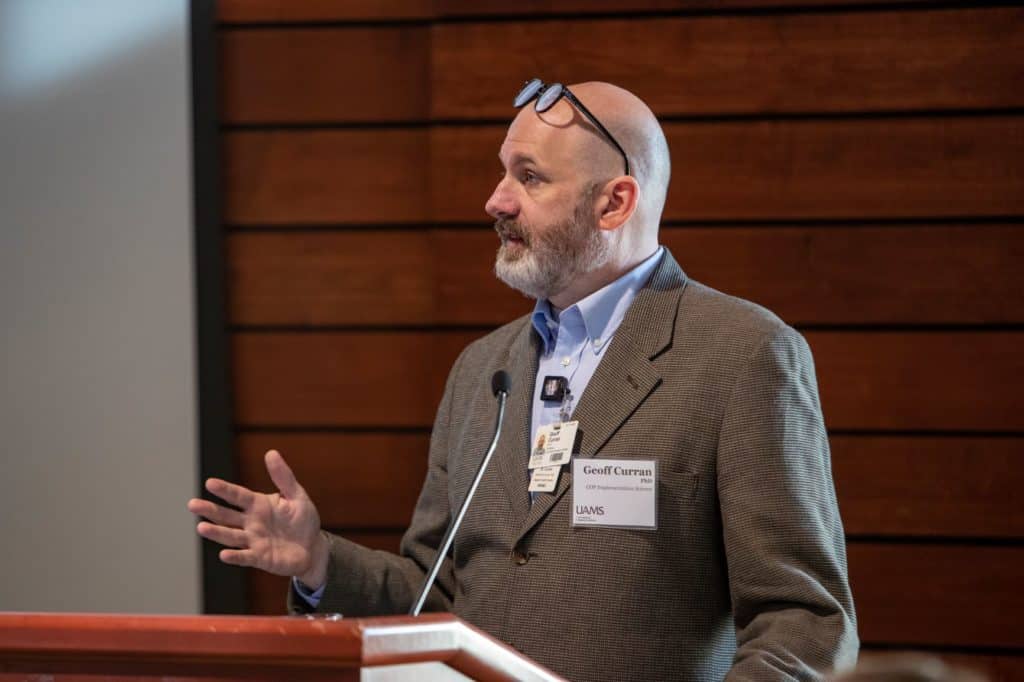
Geoffrey Curran, Ph.D., who leads the Implementation Science program, talks about plans for the program in this 2019 file photo of a TRI planning retreat.

TRI announced today that four UAMS researchers have been awarded pilot grants of up to $50,000 each to help improve health services through the implementation of  evidence-based medical practices.

The awards are made to projects with the strongest likelihood of leading to improved health and health care.

Implementation science is the study of methods to promote the systematic uptake of research findings and other evidence-based practices into routine practice to improve the quality and effectiveness of health services.

The awardees are:

Kocurek
Kocurek

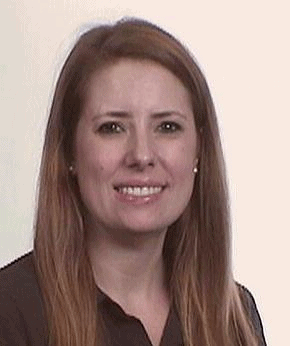
Emily Kocurek, M.D., Assistant Professor, Division of Pulmonary & Critical Care Medicine, Department of Medicine, College of Medicine; “Implementation of a UAMS Pulmonary Embolism Response Team (PERT) with Expansion to a Statewide Arkansas Pulmonary Embolism Response Tele-Network.”

Samanta
Samanta

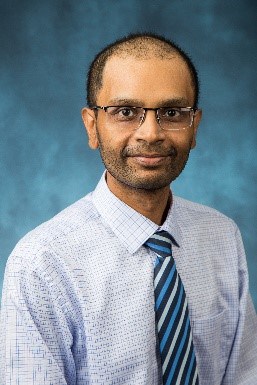
Debopam Samanta, M.D., Associate Professor, Department of Pediatrics, College of Medicine; Chief, Child Neurology (Interim), Arkansas Children’s Hospital and UAMS; “Qualitative Assessment of Stigma Experience and Self-Management of Epilepsy in the African-American Population and Implementation of an Adapted Booster Telehealth Intervention.”

Swindle

Taren Swindle, Ph.D., Assistant Professor, Department of Family and Preventive Medicine, Research and Evaluation Division, and Department of Pediatrics, Developmental Nutrition, College of Medicine; Department of Health Behavior and Health Education, UAMS College of Public Health; “Assessing the Feasibility and Acceptability of a Virtual Approach to De-implementation of Inappropriate Feeding Practices in Early Care and Education”

Veerapandiyan
Veerapandiyan

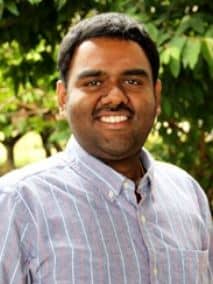
Aravindhan Veerapandiyan, M.D., Assistant Professor, Pediatric Neurology, Department of Pediatrics, College of Medicine; “Psychological Health in Children with Duchenne and Becker Muscular Dystrophy.” 

Filed Under: Front, News, Newsroom

TRI Employee’s Good Deeds Garner UAMS MVP Award

TRI’s Sharon Martin receives UAMS MVP of Month Award from Chancellor Cam Patterson, M.D., MBA.

As part of her UAMS job, Sharon Martin talks to many Arkansans who are struggling, but a recent call with an elderly Little Rock woman was different.

Martin, based at the UAMS East Regional Campus in Helena-West Helena, works as a research coordinator for the UAMS Rural Research Network within the Translational Research Institute, contacting potential research participants. On Nov. 4, she was calling prospects about a UAMS diabetes study when one of the contacts revealed her dire situation.

The woman, who declined to be identified publicly, told Martin that she and her two dogs were freezing and began to cry. Martin learned that she was without insulin for her diabetes, that her home’s gas had been shut off due to a leak she could not afford to fix, and that she was hungry, with no way to cook or heat food. She was also grieving, having recently lost her husband and mother.

“I run across many people to help, but this one really tugged at my heartstrings, and she was in an unsafe situation,” Martin said.

Given the urgency, she immediately contacted local resources in central Arkansas to assist. A friend helped get the woman’s insulin supply restored at a low monthly cost, and one of Martin’s many former foster children who lives in central Arkansas provided food, a microwave, and a space heater while a local contractor fixed her gas leak at no cost.

Martin has traveled to Little Rock twice to see her, once with her local 4H chapter the day before Thanksgiving. She continues to check on her twice a week by phone.

Her actions did not go unnoticed; she got a surprise visit Thursday from Chancellor Cam Patterson, M.D., MBA, who presented her with the UAMS MVP Award.

Becky Hall, Ed.D., center director at the UAMS East Regional Campus, said Martin’s big heart is no surprise to her.  

“She is one of the very most caring, loving, and action-oriented people I have ever met,” Hall said. “She always puts the needs of others before her own, many times spending her hard-earned money to help someone in need.”

Hall said Martin also identified a single dad of a young girl who did not have any food in his house.

“We helped gather food, and Sharon rallied our staff to pitch in to buy his little girl a coat, several outfits, shoes, a backpack, and toiletries,” Hall said. “She is an amazing lady.”

“Compassion is a core value of UAMS and its employees,” Patterson said in his announcement about Martin. “Thank you, Sharon, for putting such heart into your work and caring for others like you do.”

Martin will be recognized in several ways as January’s MVP. Her photo will be posted on the Employee Appreciation Wall outside the Chancellor’s Suite in the Central Building. She will receive free parking for a month. She will be featured in a Faces of UAMS video and receive some great UAMS swag. She will also be presented with a certificate and monetary award at an upcoming UAMS cabinet meeting and will be honored at the year-end MVP luncheon.

Filed Under: Front, News, Newsroom

The TRIbune Is Here!

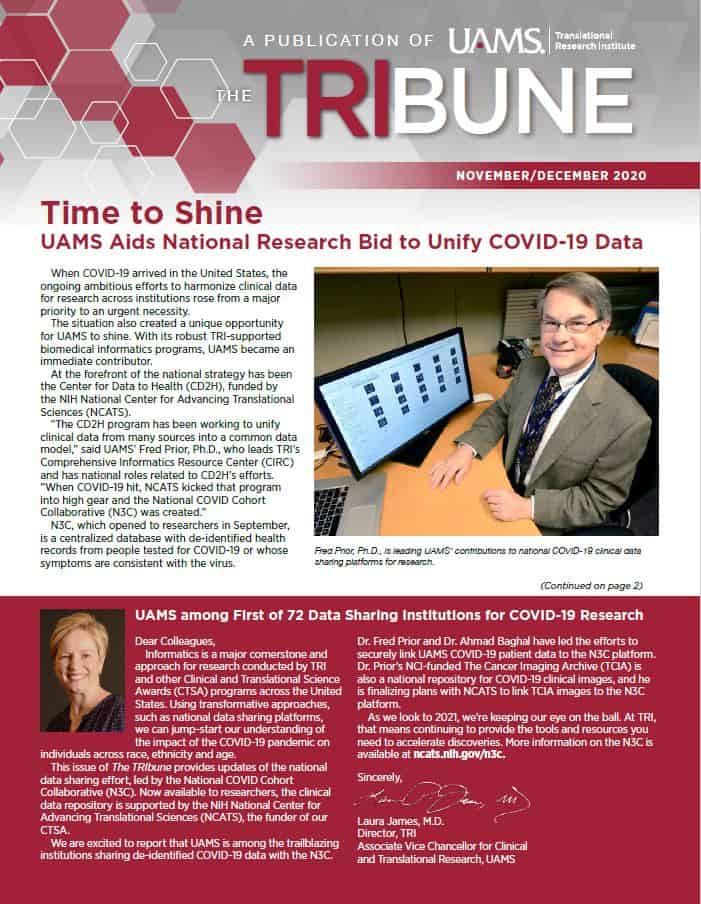
The November-December issue of The TRIbune reports on the important contributions to national COVID-19 research platforms made by Fred Prior, Ph.D., and Ahmad Baghal, M.D., Ph.D., through their TRI-supported biomedical informatics programs.

We also report on a NCATS/CTSA award to Hari Eswaran, Ph.D., enabling telehealth research that could improve maternal health for rural Arkansas women. Our Study of the Month features Allen Sherman, Ph.D., who used the ARresearch registry to conduct a COVID-19-related survey of Arkansans. Read The TRIbune

Filed Under: Front, News, Newsroom

TRI Announces 5 New Implementation Science Scholars

Geoffrey Curran, Ph.D., is director of the UAMS Center for Implementation Research, which joined TRI in naming the Implementation Science scholars.

TRI and the UAMS Center for Implementation Research (CIR) have selected five UAMS-based and Arkansas Children’s Hospital clinical faculty as UAMS 2021 Implementation Science Scholars. Using the principles of implementation science, CIR faculty will guide the scholars through 10 didactic sessions per year and provide oversight and mentoring for their experiential implementation science projects. The two-year program will provide 20% salary support (up to salary cap). 

The scholars and their project titles are:

Laura Jean Hobart-Porter, D.O., Assistant Professor, Developmental Pediatrics and Physical Medicine and Rehabilitation Division (ACH), and Physical Medicine and Rehabilitation (UAMS); Medical Director, Spinal Cord Disorders Program, Concussion Clinic, and Children’s Rehabilitation Center (Easter Seals of Arkansas), Department of Pediatrics, ACH/UAMS College of Medicine“Prevention of Sleep-Associated Mortality through Implementation of ‘Guidelines for the Care of People with Spina Bifida’”

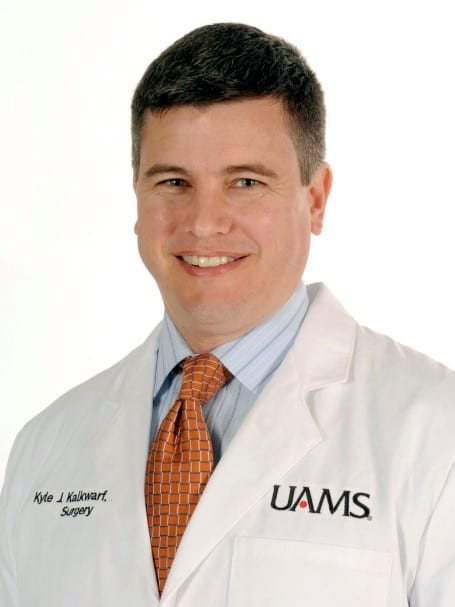
Kyle J. Kalkwarf, M.D. Assistant Professor, Acute Care Surgery Division Department of General Surgery and Critical Care; UAMS College of Medicine
“Implementation of Combined Strategies to Reduce Opioid Consumption for Acute Pain in the Surgical ICU at UAMS”

Riley Lipschitz, M.D., Assistant Professor, Division of General Internal Medicine, Department of Internal Medicine, College of Medicine
“TelePrEP – Utilizing Technology to Prevent HIV and Improve Health Equity among Vulnerable Arkansans”

Elizabeth Riley, D.N.P., RNC-NIC, CNE, Clinical Assistant Professor, Neonatal Intensive Care Unit, UAMS College of Nursing
“Implementation of Standardized Bedside Interprofessional Rounds in Neonatal Intensive Care”

Aravindhan Veerapandiyan, M.D., Assistant Professor, Director, Comprehensive Neuromuscular Program; Medical Director, Headache Clinic, Division of Pediatric Neurology, Department of Pediatrics, ACH/UAMS College of Medicine
“Implementation of Evidence-Based Practice to Improve Care for Children with Headaches”

Filed Under: Front, News, Newsroom

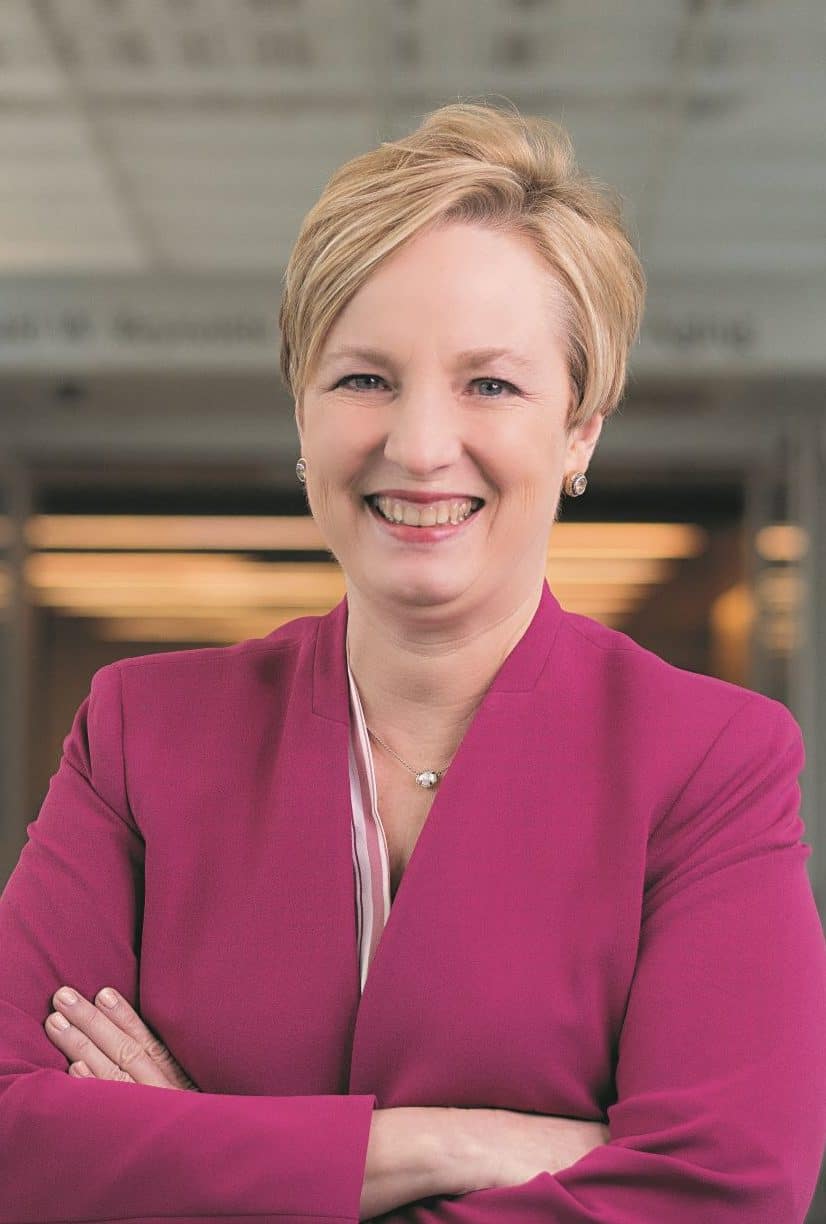
Robin Liston, M.P.H., Joins TRI as Executive Director

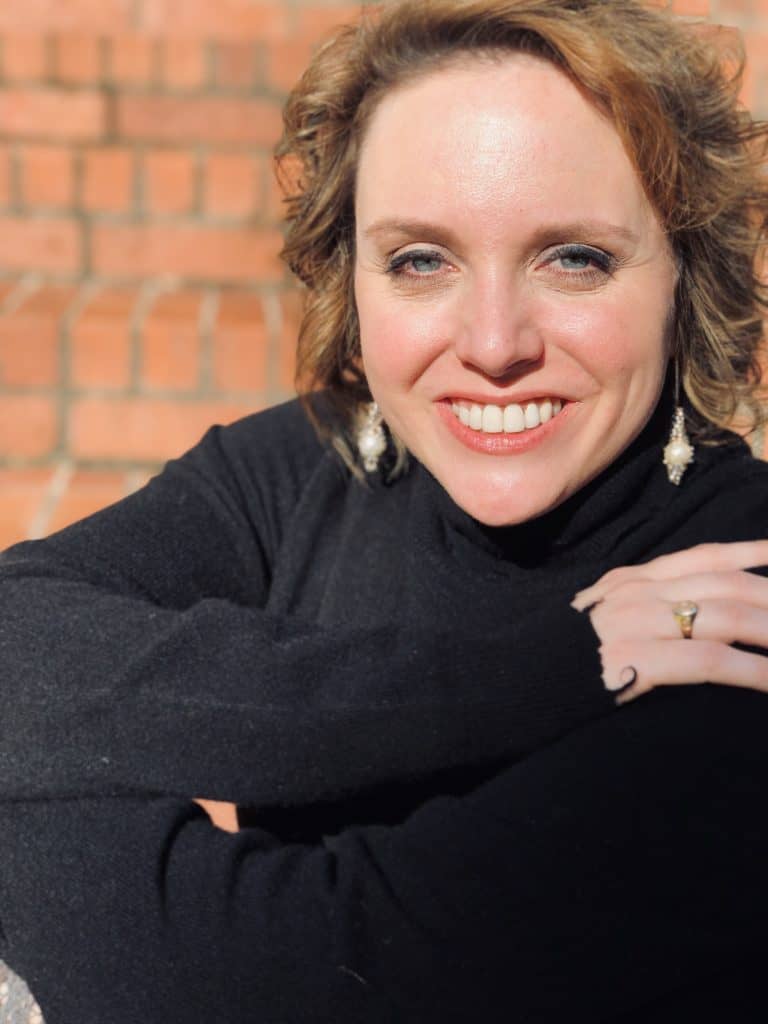
Robin Liston, M.P.H., has joined the UAMS Translational Research Institute as executive director.

Liston was previously assistant administrative director at Frontiers: University of Kansas Clinical and Translational Science Institute, Kansas City, Kansas.

As executive director, Liston oversees all TRI staff and services to UAMS researchers and will serve as a liaison to the National Center for Advancing Translational Sciences (NCATS), the National Institutes of Health (NIH) sponsor for the Clinical and Translational Science Awards (CTSA) Program.

“After an extensive search with many excellent candidates, we are excited to have Robin as part of our team,” said TRI Director Laura James, M.D. “Robin’s diverse skillset developed over the last 18 years in research management helped set her apart. Her proven leadership within a CTSA Program will ensure the highest degree of efficiency and professionalism in our delivery of resources and services to all UAMS-affiliated investigators.”

The Translational Research Institute is supported by NIH/NCATS CTSA UL1 TR003107.

Filed Under: Front, News, Newsroom

NCATS Supports UAMS Telehealth Study to Improve Mortality Rate Among Rural Pregnant Women

LITTLE ROCK – Researchers at the University of Arkansas for Medical Sciences (UAMS) will use a $228,000 federal grant to test telehealth as a way to improve Arkansas’ death rate among pregnant women, which ranks fifth nationally.

Led by UAMS’ Hari Eswaran, Ph.D., the research team will focus on remote health monitoring of pregnant women in rural areas with few health providers or resources. The goal is to determine if remote health monitoring can improve care for rural pregnant women with high blood pressure.

The one-year grant is funded by the National Institutes of Health (NIH) National Center for Advancing Translational Sciences (NCATS). The funding was awarded as a supplement to UAMS’ NCATS-funded Clinical and Translational Science Award (CTSA).

Laura James, M.D., is principal investigator of the CTSA and director of the UAMS Translational Research Institute, whose work is supported by the five-year, $24.2 million award UL1 TR003107.

Statistics show that Arkansas has 44.5 maternal deaths per 100,000 live births annually. The national average is 29.6 deaths.

The team will recruit 50 pregnant women to test whether patient care can be improved using the combined systems of:

  • Telemedicine via interactive video with UAMS maternal-fetal specialists
  • Remote health monitoring (for example, blood pressure rates shared electronically from participants’ homes)
  • The UAMS Institute for Digital Health & Innovation Call Center. The study’s remote patient monitoring system will become part of the institute’s existing rural telemedicine clinic and call center model for monitoring blood pressure in pregnancy.

“This is a critical health issue for us,” said Eswaran, a professor in the College of Medicine Department of Obstetrics and Gynecology. “No other developed countries have maternal mortality rates as high as Arkansas, and we know that lack of access to care is a significant factor.”

In the United States, severe maternal illness is on the rise, affecting about 52,000 pregnant women at delivery every year. According to a CDC report, the severe maternal illness rate during delivery increased almost 200% from 1993 to 2014. This increase is caused by increased rates of blood transfusion, acute renal (kidney) failure, respiratory (breathing) distress syndrome and cardiac (heart) disease.

Severe maternal illnesses are expected to continue to grow because women are becoming pregnant later in life, increasing pre-pregnancy obesity, pre-existing chronic medical conditions and cesarean deliveries, Eswaran said. Rates are also much higher among women from rural areas. Likewise, maternal death rates are higher for lower income populations.

“By identifying these women early in their pregnancy, we can potentially help provide timely medical care using telehealth technology,” Eswaran said. “This would help prevent illness and death, shorten hospital stays and reduce health care costs.”

Filed Under: Front, News, Newsroom

Early UAMS Study Results Show 3.5% of Arkansans Infected by Coronavirus

LITTLE ROCK – Early results from a University of Arkansas for Medical Sciences (UAMS)-led COVID-19 antibody study show that 3.5% of Arkansans have been infected with the novel coronavirus through August.

UAMS researcher Joshua Kennedy, M.D., revealed the initial findings of the Arkansas Coronavirus Antibodies Seroprevalence Survey during a presentation Oct. 21 with Laura James, M.D., director of the UAMS Translational Research Institute.

Laura James, M.D.

Laura James, M.D.

The Arkansas Research Alliance (ARA)-sponsored talk focusing on UAMS’ COVID-19 research efforts featured James, an ARA fellow, Kennedy and John Arthur, M.D., Ph.D., also a UAMS COVID-19 researcher. UAMS has eight other studies testing new therapies for COVID-19 either active or in startup.

Kennedy, associate professor in the College of Medicine Department of Pediatrics, along with Craig Forrest, Ph.D., and Karl Boehme, Ph.D., associate professors in the College of Medicine Department of Microbiology and Immunology, have spearheaded an effort to analyze blood samples from Arkansans.

One aspect of the study involved using remnant blood samples from patients who visit UAMS clinics, including three Regional Campus clinics, and have their blood drawn for health reasons other than COVID-19. The samples, which would be discarded otherwise, are being collected and shipped to UAMS from across the state for the antibody test, which was developed in the laboratories of Boehme and Forrest.

Of 1,220 adult blood samples tested so far, 43 were positive, or 3.5%. From this analysis, samples were collected in July and August, 2020. While low overall, Kennedy said, there are noteworthy differences across populations.

“These early results show the importance of our efforts to survey statewide,” said James, associate vice chancellor for Clinical and

Karl Boehme, Ph.D.

Karl Boehme, Ph.D.

Translational Research at UAMS. “We will continue to evaluate antibody rates over the next several months to monitor the impact of COVID-19 in Arkansas.”

Seroprevalence is the proportion of people in a population whose blood serum tests positive for a particular disease. Unlike diagnostic tests for COVID-19, the seroprevalence antibody testing looks back into the immune system’s history. A positive antibody test means the person was exposed to the virus and developed antibodies against the virus.

It will give state leaders a good estimate of how many Arkansans have been infected with the virus since it first came to the state, even if they did not become ill or have symptoms.

Kennedy praised the collaboration of UAMS Regional Campuses, whose family medical centers in Fayetteville, Fort Smith and Pine Bluff are all contributing remnant blood samples. The collaboration was also made possible by the new UAMS Rural Research Network and the Translational Research Institute, whose resources are helping make use of Regional Campuses’ infrastructure to include rural areas of Arkansas in health research.

The study began this summer after UAMS researchers developed high-accuracy antibody testing methods. As part of the research program, UAMS is collecting blood samples from nearly 7,500 Arkansas adults and children. Arkansas Children’s is leading the pediatric component of the study. The UAMS College of Public Health is leading the epidemiology component of the study, using the contact tracing call center to enroll study participants and collect health histories and blood samples from individuals who represent the entire state.

The study is supported by $3.3 million in federal coronavirus aid that was then allocated by the Arkansas Coronavirus Aid, Relief and

Craig Forrest, Ph.D.

Craig Forrest, Ph.D.

Economic Security Act Steering Committee created by Gov. Asa Hutchinson.

The Translational Research Institute is supported by grant TL1 TR003109 through the National Center for Advancing Translational Sciences of the National Institutes of Health (NIH).

Filed Under: Front, News, Newsroom

USDA Awards Grants for Backyard Gardens and Adapting to Climate Change

Rachel Hale (top left), Community Engagement program manager at the UAMS Translational Research Institute, helped acquire grants for community gardens and energy efficiency projects. She is joined in this file photo by other UAMS community garden volunteers (back row) Carissa Ansel, College of Public Health (COPH) student, Taylor Washington, COPH student, and Carolyn Greene, Ph.D. Front row, COPH students Taylor McClanahan and Sarah Fountain.

A UAMS-community partnership has garnered two grants for community and backyard gardens and energy efficiency projects.

The U.S. Department of Agriculture awarded a one-year $100,000 grant for developing a network of gardens to improve access to local foods for low-income communities of color in central Arkansas. The grant will also fund education programs and initiatives to promote urban agriculture, and will be evaluated by the UAMS Office of Community-Based Public Health.

Another $10,000 was awarded by Climate Reality to increase sustainability through backyard gardens and energy efficiency.

The grants resulted from a partnership that involves the College of Public Health Office of Community-Based Public Health, the Translational Research Institute Community Engagement Program, and community partner Arkansas Interfaith Power and Light. Other partners include the University of Arkansas Business Innovations Clinic and Arkansas Department of Environmental Quality Farm to School Program.

TRI Community Engagement Program Manager Rachel Hale worked with Arkansas Interfaith Power and Light’s Jimmy Parks, Dr.P.H., garden manager and Scharmel Roussel, executive director, to develop plans and apply for project funding.

The funding, which will provide volunteer and part-time internship opportunities for UAMS students , was applauded by Kate Stewart, M.D., director of the Office of Community-Based Public Health in the College of Public Health, and director of the Translational Research Institute’s Community Engagement Program.

“These exciting projects will engage our students as volunteers in their community gardens,” Stewart said. “It will also help them evaluate projects they are doing with community members to increase the use of backyard gardens.”

Projects will be focused in low-income central Arkansas communities of color living with limited access to affordable and nutritious food, especially the elderly, children, and veterans with high rates of food insecurity, high rates of chronic illness, and disproportionately high utility bills.

Activities to improve food security and help communities adapt to a changing climate will include:

  • Supporting community members in starting and maintaining backyard gardens and increasing access to energy efficient items and information.
  • Providing education about plant-rich diets, importance of local food, climate change and health, and energy conservation.
  • Supporting existing community gardens to provide excess food to the UAMS 12th Street Health and Wellness Center and other food pantries.
  • Mentoring youth and young adults interested in becoming urban farmers.

Filed Under: Front, News, Newsroom

  • «Previous Page
  • Page 1
  • Interim pages omitted …
  • Page 16
  • Page 17
  • Page 18
  • Page 19
  • Next Page»
Translational Research Institute LogoTranslational Research InstituteTranslational Research Institute
Mailing Address: 4301 West Markham Street, Little Rock, AR 72205
Phone: (501) 686-7000
  • Facebook
  • X
  • Instagram
  • YouTube
  • LinkedIn
  • Pinterest
  • Disclaimer
  • Terms of Use
  • Privacy Statement
  • Legal Notices

© 2026 University of Arkansas for Medical Sciences