• Skip to primary navigation
  • Skip to main content
  • Skip to primary navigation
  • Skip to main content
Choose which site to search.
University of Arkansas for Medical Sciences Logo University of Arkansas for Medical Sciences
Translational Research Institute
  • UAMS Health
  • Jobs
  • Giving
  • About TRI
    • What We Offer
    • Leadership & Governance
    • Staff
    • Citing Translational Research Institute CTSA Support
    • What is Translational Research?
    • Contact TRI
  • Funding Opportunities
    • Grants
      • Pilot Award Program
      • Consortium of Rural States (CORES) Multi-Institutional Pilot Award Program
      • Team Science Voucher Program
      • Winthrop P. Rockefeller Cancer Institute Rural Research Award Program
    • Scholarships
      • K12 Mentored Research Career Development Scholar Awards Program
      • Health Sciences Innovation and Entrepreneurship Postdoctoral Training Program
      • Implementation Science Scholar Program
      • (STARs) Program – Strategies for Training and Advancing Researchers
      • SMART Program [Master’s in Clinical and Translational Sciences (MS-CTS)]
    • Community
      • Community Based Participatory Research (CBPR) Scholars Program
      • Community Partners Educated as Arkansas Research Leaders (CPEARL) Program
    • Awardee Responsibilities
  • Services & Resources
    • Services
      • Biostatistics, Epidemiology and Research Design (BERD) Consultation
      • Clinical Data Repository (AR-CDR)
      • Comprehensive Informatics Resource Core
      • Mock Study Sections
      • Research Participant Recruitment
      • Research Support: Clinical Trials Innovation Unit (CTIU)
      • Implementation Science Program
      • Research Ethics Consultation
    • Resources
      • ARresearch Registry
      • Center for Health Literacy
      • Data Safety Monitoring
      • Grant Writing & Dissemination
      • UAMS Profiles
      • UAMS Rural Research Network
      • Other Resources
      • COVID-19 Research Guidelines
      • Community Partner Research Training
  • Career Development & Scholarships
    • Scholarship Opportunities
      • K12 Mentored Research Career Development Scholar Awards Program
      • Health Sciences Innovation and Entrepreneurship Postdoctoral Training Program
      • Data Science Scholars Program
      • Implementation Science Scholar Program
      • SMART Program
      • Translational Research Innovations and Partners (TRIP) Program
    • Training & Educational Opportunities
      • innOVATION Seminar Series
      • Path 2 K Program
      • Translational Workforce Development
      • Graduate Certificate in Implementation Science
      • SMART Program [Master’s in Clinical and Translational Sciences (MS-CTS)]
      • Good Clinical Practice Training
    • Didactic Training
  • Community
    • Community Engagement Leadership
    • Community Advisory Board
    • Community Engagement Partners
      • Community Partner Celebration
      • Faith-Academic Initiatives for Transforming Health (FAITH) Network
    • Community Engagement Services
      • Consultations and Technical Assistance
      • Community Review Boards
      • Community Partner Research Training
      • Equipment Library
    • Programs and Funding
      • Community Partners Educated as Arkansas Research Leaders (CPEARL) Program
      • Community Based Participatory Research (CBPR) Scholars Program
      • Community Scientist Academy
    • Toolkits
      • CSA Online Toolkit
      • CPEARL Toolkit
  • Events
    • Research Day
    • Clinical Trials Learning Collaborative
  • Newsroom
  1. University of Arkansas for Medical Sciences
  2. Translational Research Institute
  3. Author: David Robinson
  4. Page 10

David Robinson

Announcing the 2023 TRI Annual Report!

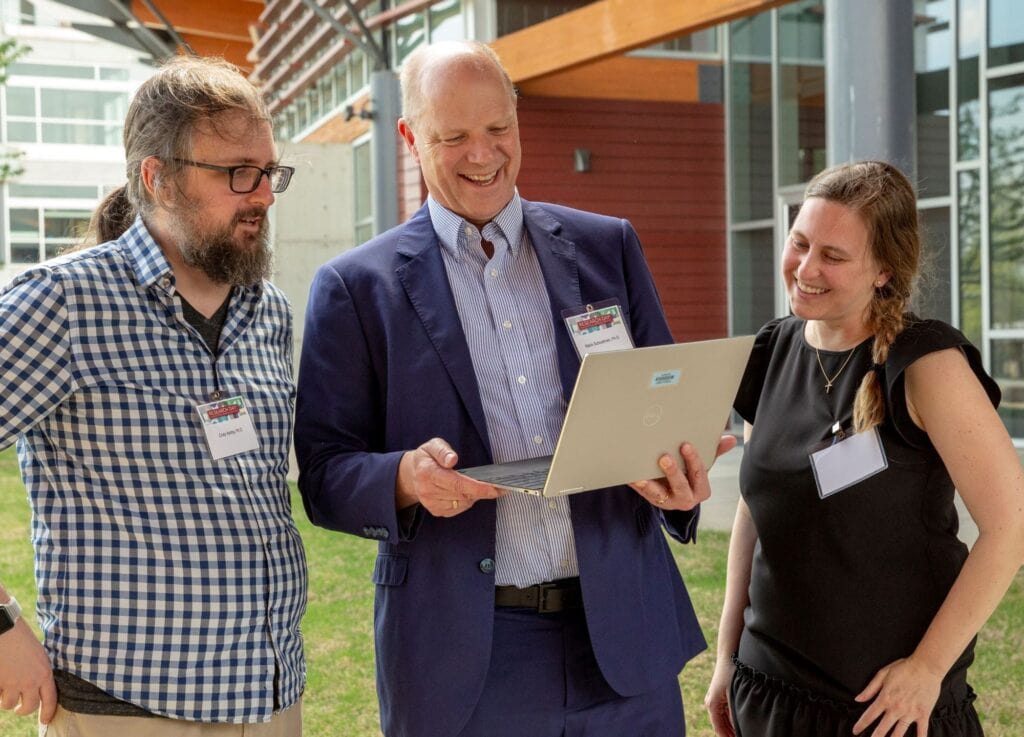
The Annual Report includes this photo of KL2 scholars Cody Ashby, Ph.D. (left), and Jennifer Rumpel, M.D., who say Mario Schootman, Ph.D. (center), has provided critical guidance to help advance their careers.

We are thrilled to announce the release of the 2023 UAMS Translational Research Institute (TRI) Annual Report! This 52-page magazine-style publication is a testament to the dedication and talent of UAMS-affiliated faculty and staff, showcasing noteworthy advances in translational science.

The TRI Annual Report serves as a window into our world, capturing the essence of our work and highlighting the translational research successes that have unfolded over the past year. This report brings to life the research advances achieved by many of you and your talented UAMS-affiliated colleagues. 

While it was challenging to condense all of the success stories into a single publication, we are proud of the diverse range of projects and advancements featured within its pages. We applaud everyone who played a role in making these achievements possible.

We hope that you find this report as inspiring and enlightening as we do. Read the 2023 TRI Annual Report. 
Filed Under: Front, News, Newsroom

The TRIbune Is Here!

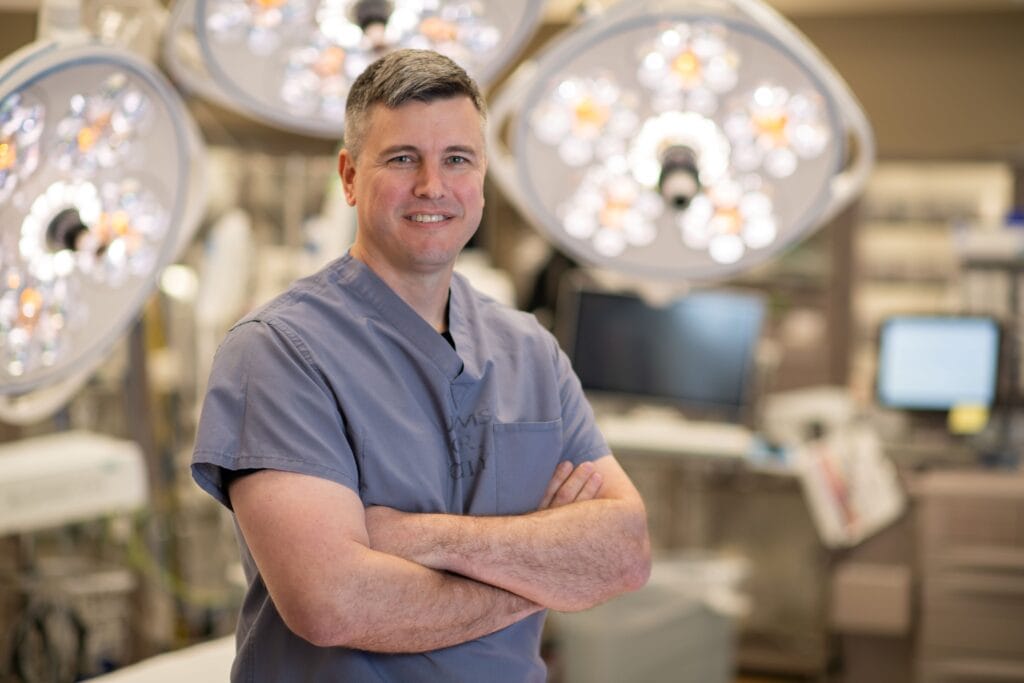
Dr. Kyle Kalkwarf, featured in the June TRIbune, utilized the TRI Implementation Science Scholars Program to successfully implement an opioid reduction project.

In this issue of The TRIbune, we feature the successful opioid prescribing reduction efforts of Kyle Kalkwarf, M.D., a TRI Implementation Science Scholars Program participant.

The story highlights the potential for implementation science to improve medical practices. Kalkwarf’s work produced a 20% reduction in opioid use for surgery patients on a ventilator.

Our Study of the Month features Larry Johnson, M.D., and TRI’s Faryal Jalbani, M.D., MSPH, and Monica Smith, B.A.

We also highlight our six new KL2 Mentored Research Career Development Scholar Award recipients and the 2023 Summer Writing Challenge! 

Read The TRIbune.

Filed Under: Front, News, Newsroom

TRI Names Three Pilot Awardees

The TRI pilot awardees are (l-r), Jonathan Bona, Laura Hays and Mario Schootman. 

The UAMS Translational Research Institute has named three UAMS researchers who will receive pilot study grants of up to $25,000 each.

The one-year awards went to projects led by researchers in the College of Medicine and College of Nursing. The awardees and their project titles are: 

Jonathan Bona, Ph.D., assistant professor, College of Medicine Department of Biomedical Informatics

“Accelerating Insights with an Open Drug Information Toolkit (ADROIT),” which will create and evaluate a novel software tool designed to provide non-informaticists with easy access to drug information.

Laura Hays, Ph.D., APRN, assistant professor, College of Nursing Department of Nursing Practice

“Arkansas – Making History,” which will address the lack of genetic risk assessment services among rural Arkansas providers.  

Mario Schootman, Ph.D., vice chair and professor, College of Medicine Department of Medicine; co-director, TRI Workforce Development Program “Assessing the Quality of the Linked Arkansas Cancer Registry and Arkansas All-Payer Claims Database Data,” which aims to generate preliminary data for an NIH R01 application focused on identifying reasons for elevated mortality in colorectal cancer patients in persistent poverty areas.

Filed Under: Front, News, Newsroom

College of Public Health MHA Program Offered TRI’s Nikolas Berardi a Fresh Start

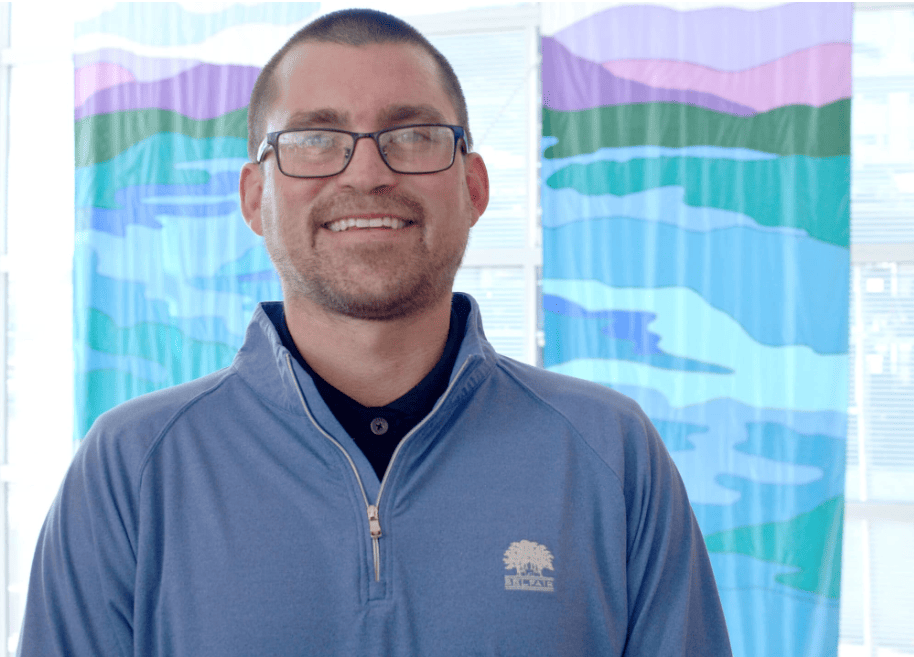
Nikolas Berardi, a program manager for the University of Arkansas for Medical Sciences (UAMS) Translational Research Institute (TRI), is grateful for the education he received from the UAMS Fay W. Boozman College of Public Health Master of Health Administration program.

Nikolas Berardi, MHA, a program manager for the University of Arkansas for Medical Sciences (UAMS) Translational Research Institute (TRI), credits the UAMS Fay W. Boozman College of Public Health Master of Health Administration program for helping to change his life.

That includes putting him in position to work for TRI.

“The college and my directors in the MHA program cared about me. They helped me find a job,” Berardi said. “They were always reaching out seeing how they could help me.

“Every professor, every administrator made me feel like family.”

Berardi first entered the MHA program in 2019. During his time in the program, he developed a strong rapport with his classmates and instructors.

The bond he developed with individuals connected to the curriculum, along with being adamant about getting his degree and providing support services to population bases, provided Berardi with the boost he needed to ultimately attain his MHA degree.

Berardi’s path to the college began in his hometown of Prescott, Arizona, which is an hour away from Phoenix. As a young adult, Berardi moved to central Arkansas and enrolled in Hendrix College, where he earned a bachelor’s in biology.

Afterward, he initially pursued a nursing degree from the University of Arkansas at Little Rock. However, he soon realized that nursing was not his calling.

Still steadfast about making a difference in society, Berardi became a member of Volunteers in Medicine, a nonprofit that helps provide medical care to people from low-income households. While volunteering with the organization, Berardi received an intriguing suggestion.

“One day there was a major shortage of volunteers, and I was working nonstop to help keep everything going,” he said. “A supervisor suddenly suggested that I get a master’s degree in health care administration. I did some research and opted to apply for the UAMS’ MHA program. Eventually, I earned the MHA degree in 2022.”

When Berardi reflects on what he was able to do, and how it’s connected to his desire to address health care challenges across populations — he becomes even more grateful that he chose to attend the College of Public Health. He deems it as a life-changing experience.

“It hit me a couple days after graduating with the MHA of what I had accomplished,” Berardi admitted. “Looking back, I thought about how the professors were so welcoming. They made it feel like home.

“That inspires me even more to advocate for and help people in need. I’m always willing to speak with people and let them know that they too can achieve any of their aspirations.”

Filed Under: Front, News, Newsroom

JAMA Health Forum Publishes TRI-Supported Researcher’s Novel Model for Ranking Biomedical Research Priorities

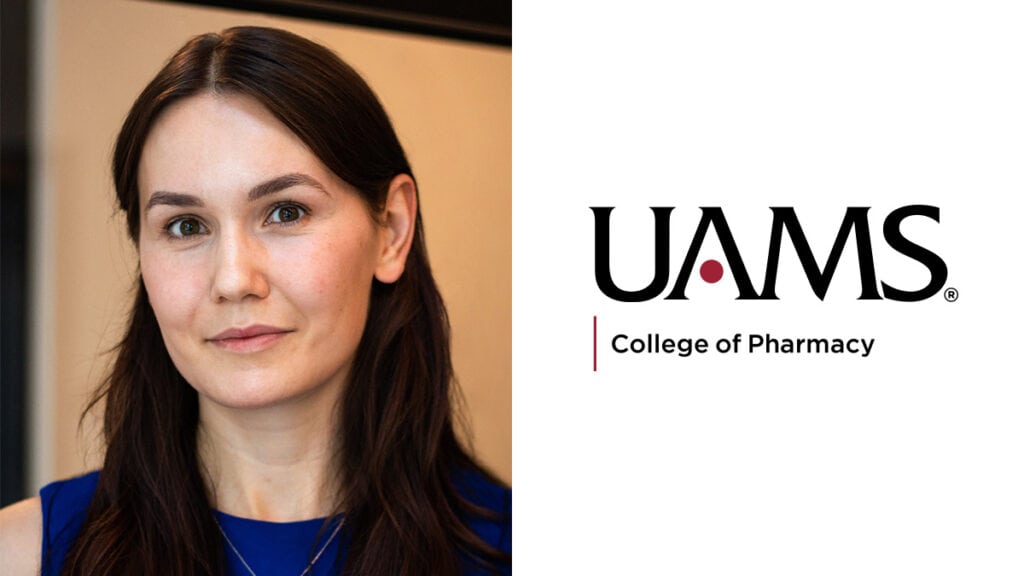
Laura Gressler, Ph.D., is first author on the JAMA publication.

In a new study led by UAMS’ Laura Gressler, Ph.D., researchers presented a novel model to help research funding agencies and groups prioritize their funding for various health conditions.

The study was published in the Journal of the American Medical Association (JAMA) Health Forum and included co-authors from the U.S. Department of Health and Human Services and U.S. Food and Drug Administration.

“It’s really exciting,” said Gressler, whose current work is supported by the UAMS Translational Research Institute. “This is the culmination of more than three years of very hard work with many collaborators and stakeholders, and I hope that a model like this can be used in the future to help inform funding decisions.”

For Gressler, an assistant professor in the College of Pharmacy Division of Pharmaceutical Evaluation and Policy, it was her second JAMA publication as first author and third as a co-author.

The team’s paper, “Data-Driven Model Identifies Gaps in Biomedical Innovation: A Proof-of-Concept Study,” ranks 13 common health conditions based on each condition’s health care burden, cost and biomedical product innovation.

Typically, Gressler said, federal agencies, industry leaders and stakeholders who fund research will consider only one aspect of the condition such as public health burden or cost alone when determining how to prioritize research funding support.

“We argue that it should be a multipronged approach and demonstrate our proposed approach. That’s what’s novel about this, and from those three factors we are finding that balance,” she said.

The 13 disease areas, ranked in order of priority, are:

  1. Diabetes mellitus
  2. Osteoarthritis
  3. Drug use disorders
  4. Ischemic heart disease
  5. Alzheimer disease and other dementias
  6. Chronic kidney disease
  7. Chronic obstructive pulmonary disease
  8. Cirrhosis and other liver disease
  9. Colorectal cancer
  10. Stroke
  11. Depressive disorders
  12. Tracheal, bronchus, and lung cancer
  13. Lower respiratory infections

“My work on this JAMA publication reinforced my research interests by highlighting the existing gaps in available data and methodologies needed to inform decision-making so that limited resources can be directed to the most important and/or most neglected aspects of health care,” Gressler said.

Gressler receives research funding support through the Translational Research Institute Data Scholars Program and Team Science Voucher Program. She has also participated in the institute’s Path 2 K program which aided her recent submission of an early-career development (K) award application with the National Institutes of Health (NIH).

As a Translational Research Institute data scholar, she is using natural language processing to identify and assess hip arthroplasty devices. As part of her proposed K award, she will use natural language processing and other machine learning methods to augment existing datasets for the evaluation of medical devices. As a co-investigator on the team science voucher study, she is evaluating the role of medical marijuana policies and available treatment options among patients with chemotherapy-induced nausea and vomiting.

The Translational Research Institute is funded by the NIH National Center for Advancing Translational Sciences, Clinical and Translational Science Award UL1 TR003107.

Filed Under: Front, News, Newsroom

Six Early-Career UAMS Researchers Receive KL2 Scholar Awards

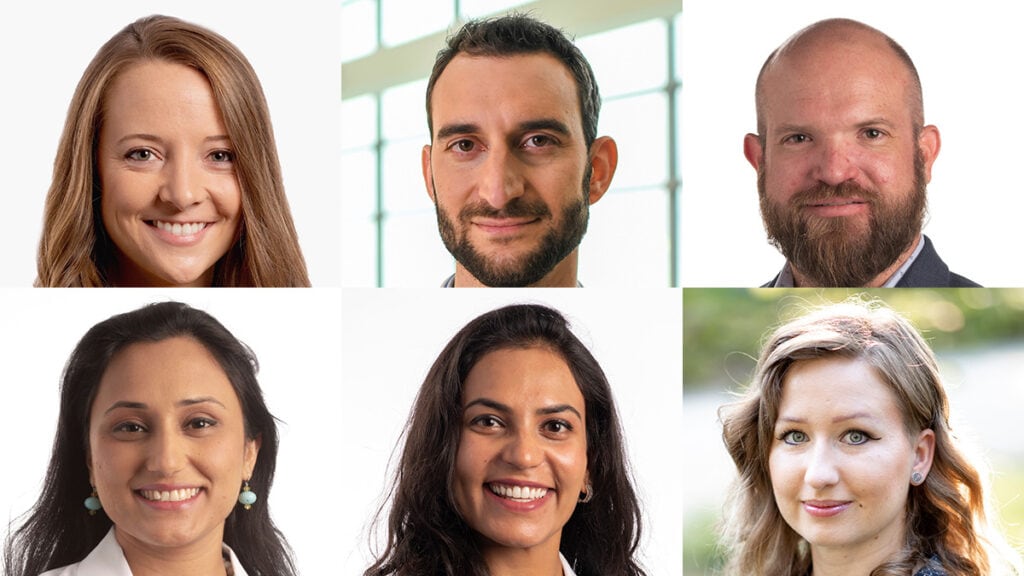
The 2023-2024 KL2 Scholars are (l-r, clockwise from top): Mary “Katy” Allison, Michail Mavros, Brian D. Piccolo, Megha Sharma, Ankita Shukla and Alicja Urbaniak.

Six early-career researchers have been selected to receive two years of funded translational research training and support in the UAMS Translational Research Institute (TRI) KL2 Mentored Research Career Development Scholar Awards Program.

The promising junior faculty researchers were selected for the 2023-2024 program through a competitive application process. KL2 scholars receive two years of mentored translational research training, 75% salary support and up to $25,000 a year for research, tuition, travel and education.

Funding for the program comes from TRI, supported by the NIH National Center for Advancing Translational Sciences, Clinical and Translational Science Award KL2 TR003108; UAMS Winthrop P. Rockefeller Cancer Institute and Arkansas Children’s Research Institute. 

The scholars, their project titles and primary mentors are:

  • Mary “Katy” Allison, Ph.D., MPH, research assistant professor, Fay W. Boozman College of Public Health Department of Health Behavior & Health Education
    “Optimized Implementation Strategies to Support Pregnancy-Related Remote Patient Monitoring”

    Primary Mentor: Geoffrey Curran, Ph.D.
  • Michail Mavros, M.D., assistant professor, College of Medicine Department of Surgery (Oncology)
    “Venous Thromboembolism in Pancreatic Cancer Patients Undergoing Pancreatectomy: Risk Factors and Effectiveness of Pharmacoprophylaxis”

    Primary Mentor: Mario Schootman, Ph.D.
  • Brian D. Piccolo, Ph.D., assistant professor, College of Medicine Department of Pediatrics
    “Mechanisms by Which Culturally Specific Foods Influence Infant Gut Development and Barrier Function”

    Primary Mentor: Mario Ferruzzi, Ph.D.
  • Megha Sharma, M.D., assistant professor, College of Medicine Department of Pediatrics, Division of Neonatology
    “Beyond Race: Objectively Assessed Skin Color and its Association with Pulse Oximeter Bias in Critically Ill Infants”

    Primary Mentor: Mario Schootman, Ph.D.
  • Ankita Shukla, M.D., assistant professor, College of Medicine Department of Pediatrics, Division of Neonatology
    “PERFORM: Persistent Effects of Intrauterine Growth Restriction on Infant Brain Development: A Comparative MEG Study”

    Primary Mentor: Hari Eswaran, Ph.D.
  • Alicja Urbaniak, Ph.D., instructor, College of Medicine Department of Biochemistry and Molecular Biolog
    “Monensin and its Derivatives as Adjuvants to Immune Checkpoint Inhibitors for the Treatment of Metastatic Breast Cancer”

    Primary Mentor: Alan Tackett, Ph.D.

Filed Under: Front, News, Newsroom

UAMS-TRI Training Program Helps Postdocs Develop Entrepreneurial Spirit, Form Competition-Winning Pharmaceutical Startup

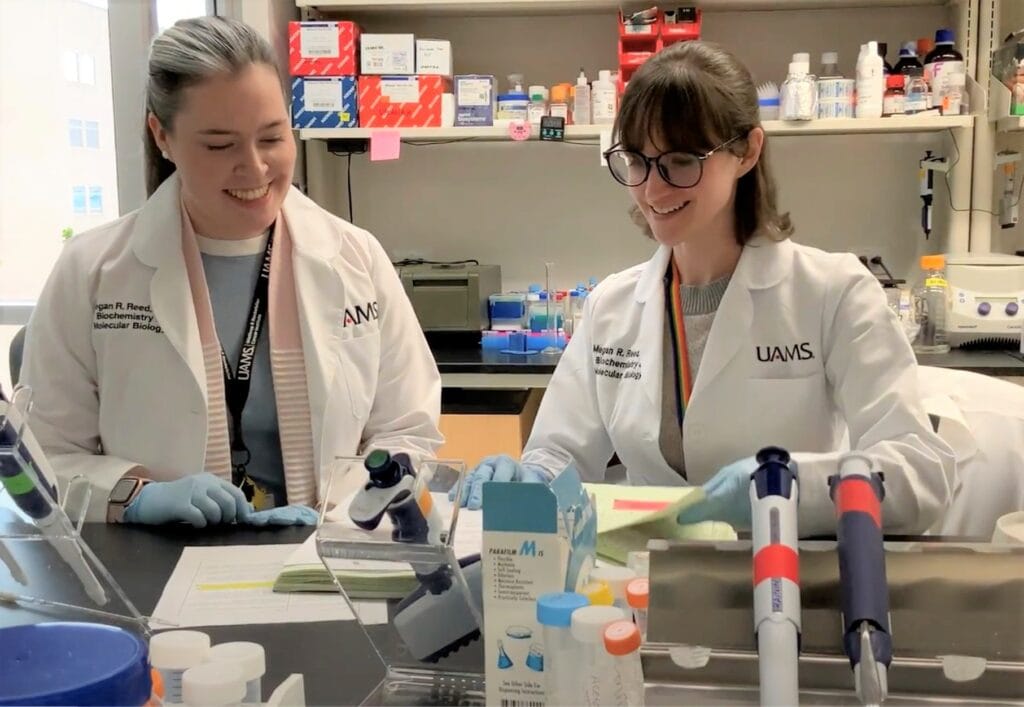
Megan Reed, Ph.D. (left), and Julia Tobacyk, Ph.D., formed the company Pediatrica Therapeutics.

Only two years ago, the idea of commercializing their future research discoveries was a novel concept for Julia Tobacyk, Ph.D., and Megan Reed, Ph.D. Today they can say they created a startup company as postdoctoral fellows in the Health Sciences Innovation and Entrepreneurship (HSIE) training program, which is the National Institutes of Health’s (NIH) National Research Service Award training core of the Translational Research Institute at the University of Arkansas for Medical Sciences (UAMS).

The HSIE program is unlike traditional academic postdoctoral education — the goal is to transform scientists to think like entrepreneurs and channel their research discoveries into commercial ventures to bring new health care products to patients.

Tobacyk and Reed are in their second year of the HSIE training program, and it is intensive. In addition to mentored laboratory research, HSIE postdocs take business classes in the Graduate Entrepreneurship Program in the Sam M. Walton College of Business at the University of Arkansas, Fayetteville. They attend mentoring workshops from entrepreneurs and venture capitalists, form teams to develop a business plan for a health science discovery with classmates from diverse ethnic and academic backgrounds, and compete in pitch competitions.

“At first, the fast-paced environment is a culture shock for most HSIE postdocs, but we all quickly adapt and develop our inner entrepreneurial spirit,” Tobacyk said.

Tobacyk’s research in the laboratory focuses on developing treatment strategies for opioid use disorder in pregnant women without negatively affecting their babies. Alarming statistics reveal that a baby is born physically dependent on opioids every 15 minutes in the United States. The gold standard treatment for opioid-dependent pregnant mothers is buprenorphine (BUP). Although BUP treatment may prevent pregnant mothers from relapsing, it also contributes to withdrawal in their babies, also known as neonatal opioid withdrawal syndrome (NOWS).

Tobacyk, along with her research mentor, Lisa Brents, Ph.D., assistant professor in the UAMS College of Medicine Department of Pharmacology and Toxicology, filed a provisional patent application with co-workers in September 2022 to protect their invention of a deuterated form of BUP (BUP-D2). Applying precision deuteration is thought to alter the metabolism of BUP to minimize formation of the harmful metabolite that contributes to NOWS.

In January 2023, Tobacyk and Reed formed a company called Pediatrica Therapeutics, LLC, a pharmaceutical startup company dedicated to bringing BUP-D2 through the drug development pipeline. In recent months, the startup team has won or placed in a number of business plan competitions across the U.S. and in Canada. In April, they won first place in the Arkansas Governor’s Cup Collegiate Business Plan Competition, which came with a $20,000 prize. 

Their team finished second with a $10,000 prize in the graduate business plan competition at the 2023 Stu Clark New Venture Championships in Winnipeg, Canada. They also took third place ($750) for their elevator pitch at that competition. The team was a finalist ($1,500) in the Baylor New Venture Competition as well as finalists in the UA Heartland Challenge and the international Rice Business Plan Competition ($1,500).  

The graduate entrepreneurship students and founding business partners of Pediatrica Therapeutics, LLC, are:

  • Megan Reed, Ph.D., chief executive officer, who has experience in biochemistry, drug development and patenting of pharmaceutical compounds; she is a HSIE postdoctoral fellow in the College of Medicine Department of Biochemistry and Molecular Biology.
  • Julia Tobacyk, Ph.D., chief scientific officer, who co-invented BUP-D2 and performed preclinical studies; she is a HSIE postdoctoral fellow in the College of Medicine Department of Pharmacology and Toxicology.
  • Hayot Tuychiev, BA, chief marketing officer, who is a two-time Emmy-winning documentary filmmaker and manages scientific and public communications for the company.
  • Veronica Garcia, BA, chief operating officer, who is the former director of Community Engagement and Inclusion at the Springdale, Arkansas, Chamber of Commerce and has assisted 75 entrepreneurs to form businesses.

In addition to their business classes and founding their new company, Tobacyk and Reed continue to work in the laboratory, publish papers and develop their careers as translational scientists. However, the HSIE training program has empowered them to look at their research through a new, entrepreneurial lens.

With the team members concluding their final year of HSIE training in June, Reed, Tuychiev and Garcia are moving on to pursue other career goals.

“Julia and I both agree that academic research holds plenty of unexploited potential to leverage discoveries to improve health care,” Reed said. “Pediatrica Therapeutics will not be our last venture.”

Tobacyk and Brents hope to advance the company’s goals with a Small Business Innovation Research program award, which they will apply for this year as co-principal investigators.

Reed and Tobacyk are supported by the UAMS Translational Research Institute through the NIH National Center for Advancing Translational Sciences, Clinical and Translational Science Award grants UL1 TR003107 and TL1 TR003109. Brents is a graduate of the Translational Research Institute’s KL2 Mentored Research Career Development Scholar Awards Program, also supported through NCATS.

This article was based on a first-person account by Julia Tobacyk, Ph.D.

Filed Under: Front, News, Newsroom

UAMS Seeks Community Input on Trauma Study

The University of Arkansas for Medical Sciences (UAMS) is consulting the people of central Arkansas whether to lead a local trauma research study to investigate a blood clotting agent as a treatment for trauma patients who are bleeding to death.

Bleeding out is the most common cause of preventable death after injury. Researchers at the University of Arkansas for Medical Sciences (UAMS) are asking for community input on whether they should participate in an international study. The study will see if a blood clotting drug, given soon after arrival in the emergency department, can improve survival.

Kcentra® (or 4-factor Prothrombin Complex Concentrate) is a Food and Drug Administration (FDA) approved drug and is currently used to reverse the effects of medications given to “thin” the blood, for patients who experience bleeding and/or require surgery. 

The Trauma and Prothrombin Complex Concentrate or TAP Trial will evaluate the effectiveness of Kcentra®, in addition to all standard care, in injured patients predicted to require a large volume blood transfusion. “There is evidence that Kcentra® may reduce the chance of dying in injured patients who are not on blood-thinning medications,” said Kyle Kalkwarf, M.D., UAMS trauma medical director and the UAMS principal investigator on the study.

“The standard treatment of injured patients who are bleeding involves the transfusion of different types of blood products, as well as the use of medications to help the blood clot better, along with surgery to stop the bleeding. But even with these treatments up to 30% of patients suffering from a serious traumatic injury die,” Kalkwarf said. “Finding a way to improve that survival rate is our highest priority here at UAMS.”

Patients in this study will have suffered a serious and potentially life-threatening injury, causing significant blood loss, and requiring immediate lifesaving interventions. These types of injuries occur unexpectedly, and it will not be possible for most people to sign up to participate ahead of time. Most patients will be unconscious, unable to speak or hear, and too sick to consent to immediate treatment, or participation in the study.

If the community feedback is positive and an independent review board (IRB) approves the study at UAMS, then UAMS will participate in this trial. Community members who do not want to participate can request a bracelet indicating this. If feasible, doctors will consent patients who fit the study criteria. If consent is not feasible, patients who fit the criteria will be automatically enrolled without their individual consent if they are not wearing an opt-out bracelet.

The TAP trial will be conducted in about 120 leading trauma centers in several countries and will include 8,000 patients, making it the second-largest trauma trial ever conducted. The trial will begin between early 2023 and last until 2026, and is funded by CSL Behring, a global biotherapeutics leader which makes PCC.

“The results of this study have the potential to change the way trauma patients are treated,” Kalkwarf said. “If we can determine that Kcentra® is safe and effective for trauma patients, we can transform the standard of care for bleeding trauma patients and save thousands of lives.”

The researchers are asking for feedback from the central Arkansas community about this study to help determine whether the community wants us to participate in this study. Please consider completing a very brief anonymous survey hosted by the local study site. To complete the anonymous survey on your thoughts about this exception from informed consent study, please go to this link.

Contact:

UAMS Study Team

501-398-8622

TRIcoordinators@uams.edu

Filed Under: News

Christi Madden, MPA, Named Executive Director of Translational Research Institute

Christi Madden, MPA, has joined the UAMS Translational Research Institute as its executive director.

Christi Madden, MPA
Christi Madden, MPA

Madden, a leader with more than two decades of research programmatic management experience, spent most of her career in her home state of Oklahoma at the University of Oklahoma Health Sciences Center (OUHSC), where she worked in the Department of Pediatrics and at the Oklahoma Clinical and Translational Science Institute.

As executive director, Madden oversees all Translational Research Institute staff and services to UAMS researchers. She also serves as a liaison to the National Center for Advancing Translational Sciences (NCATS) of the National Institutes of Health (NIH), which funds the UAMS Translational Research Institute with a Clinical and Translational Science Award (CTSA).

“We are thrilled to have Christi on our team,” said institute Director Laura James, M.D. “In her roles at OUHSC, she managed several highly impactful public health research and quality improvement programs. Her skillset and research leadership experience will help our institute provide the highest quality service to our researchers and to our research participants.”

Madden’s management experience includes the IDeA States Pediatric Clinical Trials Network, the Oklahoma Primary Healthcare Improvement Cooperative, the Oklahoma Child Health Research Network and the Healthy Hearts for Oklahoma project.

She has also worked on several projects with rural communities across Oklahoma to implement community-driven initiatives to improve cardiovascular health, increase access to health care and mental health resources, and implement COVID-19-related research.

In 2022, she was recognized by the Public Health Institute of Oklahoma as one of the County Health Improvement Organization’s Top Ten People of the Decade.

“I am excited to be in this new role at TRI and look forward to working collaboratively across UAMS and with our partners such as Arkansas Children’s Research Institute and the Central Arkansas Veterans Healthcare System to improve the health and health care of Arkansans.” 

The Translational Research Institute is supported by the National Center for Advancing Translational Sciences of the National Institutes of Health, Clinical and Translational Science Award TR003107.

Filed Under: Front, News, Newsroom

The TRIbune Is Here!

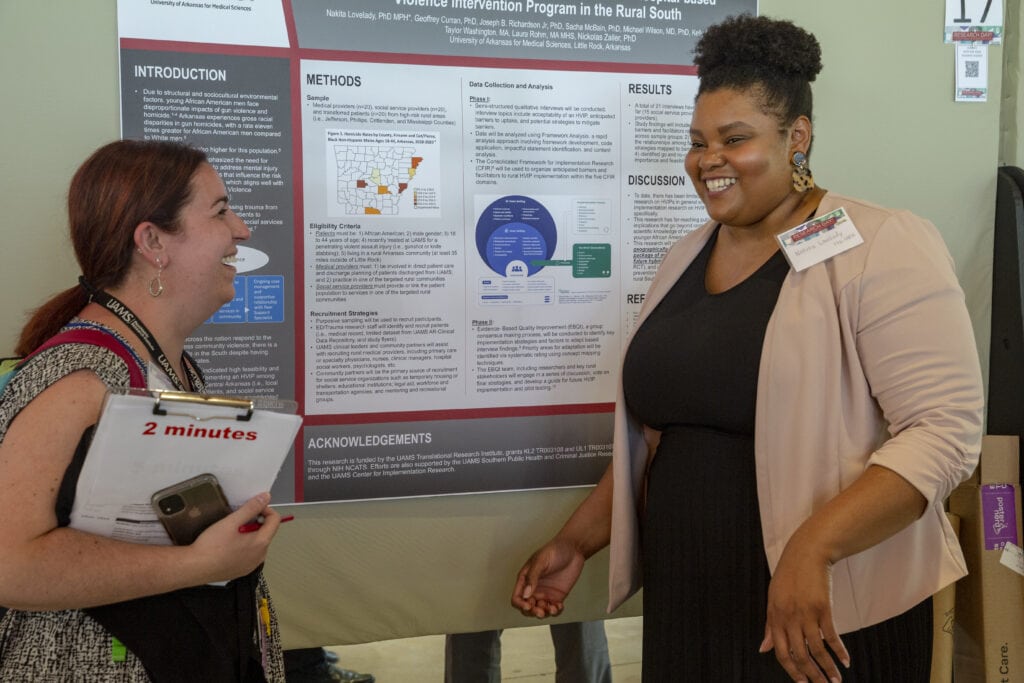
Nakita Lovelady, Ph.D. (right), shares a laugh with Melissa Zielinski, Ph.D., during the Research Day poster session.

In this month’s TRIbune newsletter, we feature our second annual TRI Research Day, which drew about 150 people from the UAMS research community, including Arkansas Children’s and the Central Arkansas Veteran’s Healthcare System.

Eight of our TRI-supported researchers gave oral presentations, and there were 33 poster presentations. Our keynote speaker was the University of Florida’s Duane A. Mitchell, M.D., Ph.D., a pioneer in the research of brain tumor immunotherapies.

The TRI Study of the Month features Clare Nesmith, M.D., the UAMS principal investigator on a national study comparing rapid and slow weaning methods for newborns with neonatal opioid withdrawal symptoms (NOWS). Read The TRIbune.

Filed Under: Front, News, Newsroom

  • «Previous Page
  • Page 1
  • Interim pages omitted …
  • Page 8
  • Page 9
  • Page 10
  • Page 11
  • Page 12
  • Interim pages omitted …
  • Page 19
  • Next Page»
Translational Research Institute LogoTranslational Research InstituteTranslational Research Institute
Mailing Address: 4301 West Markham Street, Little Rock, AR 72205
Phone: (501) 686-7000
  • Facebook
  • X
  • Instagram
  • YouTube
  • LinkedIn
  • Pinterest
  • Disclaimer
  • Terms of Use
  • Privacy Statement
  • Legal Notices

© 2026 University of Arkansas for Medical Sciences