• Skip to primary navigation
  • Skip to main content
  • Skip to primary navigation
  • Skip to main content
Choose which site to search.
University of Arkansas for Medical Sciences Logo University of Arkansas for Medical Sciences
Translational Research Institute
  • UAMS Health
  • Jobs
  • Giving
  • About TRI
    • What We Offer
    • Leadership & Governance
    • Staff
    • Citing Translational Research Institute CTSA Support
    • What is Translational Research?
    • Contact TRI
  • Funding Opportunities
    • Grants
      • Pilot Award Program
      • ARLife Small Grants Program
      • Team Science Voucher Program
      • Consortium of Rural States (CORES) Multi-Institutional Pilot Award Program
      • Winthrop P. Rockefeller Cancer Institute Rural Research Award Program
    • Scholarships
      • K12 Mentored Research Career Development Scholar Awards Program
      • Health Sciences Innovation and Entrepreneurship Postdoctoral Training Program
      • Implementation Science Scholar Program
      • Strategies for Training and Advancing Researchers (STARs) Program
      • Scholars in Mentored Applied Research & Translational Science (SMART) Program
    • Community
      • Community Based Participatory Research (CBPR) Scholars Program
      • Community Partners Educated as Arkansas Research Leaders (CPEARL) Program
    • Awardee Responsibilities
  • Services & Resources
    • Services
      • Biostatistics, Epidemiology and Research Design (BERD) Consultation
      • Clinical Data Repository (AR-CDR)
      • Comprehensive Informatics Resource Core
      • Mock Study Sections
      • Research Participant Recruitment
      • Research Support: Clinical Trials Innovation Unit (CTIU)
      • Implementation Science Program
      • Research Ethics Consultation
    • Resources
      • ARresearch Registry
      • Center for Health Literacy
      • Data Safety Monitoring
      • Grant Writing & Dissemination
      • UAMS Profiles
      • UAMS Rural Research Network
      • Other Resources
      • COVID-19 Research Guidelines
      • Community Partner Research Training
  • Career Development & Scholarships
    • Scholarship Opportunities
      • K12 Mentored Research Career Development Scholar Awards Program
      • Health Sciences Innovation and Entrepreneurship Postdoctoral Training Program
      • Data Science Scholars Program
      • Implementation Science Scholar Program
      • SMART Program
      • Translational Research Innovations and Partners (TRIP) Program
    • Training & Educational Opportunities
      • innOVATION Seminar Series
      • Path 2 K Program
      • Translational Workforce Development
      • Graduate Certificate in Implementation Science
      • SMART Program [Master’s in Clinical and Translational Sciences (MS-CTS)]
      • Good Clinical Practice Training
    • Didactic Training
  • Community
    • Community Engagement Leadership
    • Community Advisory Board
    • Community Engagement Partners
      • Community Partner Celebration
      • Faith-Academic Initiatives for Transforming Health (FAITH) Network
    • Community Engagement Services
      • Consultations and Technical Assistance
      • Community Review Boards
      • Community Partner Research Training
      • Equipment Library
    • Programs and Funding
      • Community Partners Educated as Arkansas Research Leaders (CPEARL) Program
      • Community Based Participatory Research (CBPR) Scholars Program
      • Community Scientist Academy
    • Toolkits
      • CSA Online Toolkit
  • Events
    • Research Day
    • Clinical Trials Learning Collaborative
    • TRI Oktoberfest
  • Newsroom
  • TRI Talks Translational Science
  1. University of Arkansas for Medical Sciences
  2. Translational Research Institute
  3. Front
  4. Page 19

Front

TRI Announces Pilot Awardees for Biomedical Informatics Studies

The UAMS Translational Research Institute (TRI) today announced four recipients of its biomedical informatics-focused pilot

grants.

The recipients are required to use translational biomedical informatics approaches to health care issues that particularly affect rural individuals and/or that directly examine or impact rural health. They will receive up to $50,000 for their one-year projects and are expected to develop findings that lead to larger programs of research with national funding.

The awardees, all from the College of Medicine, are:

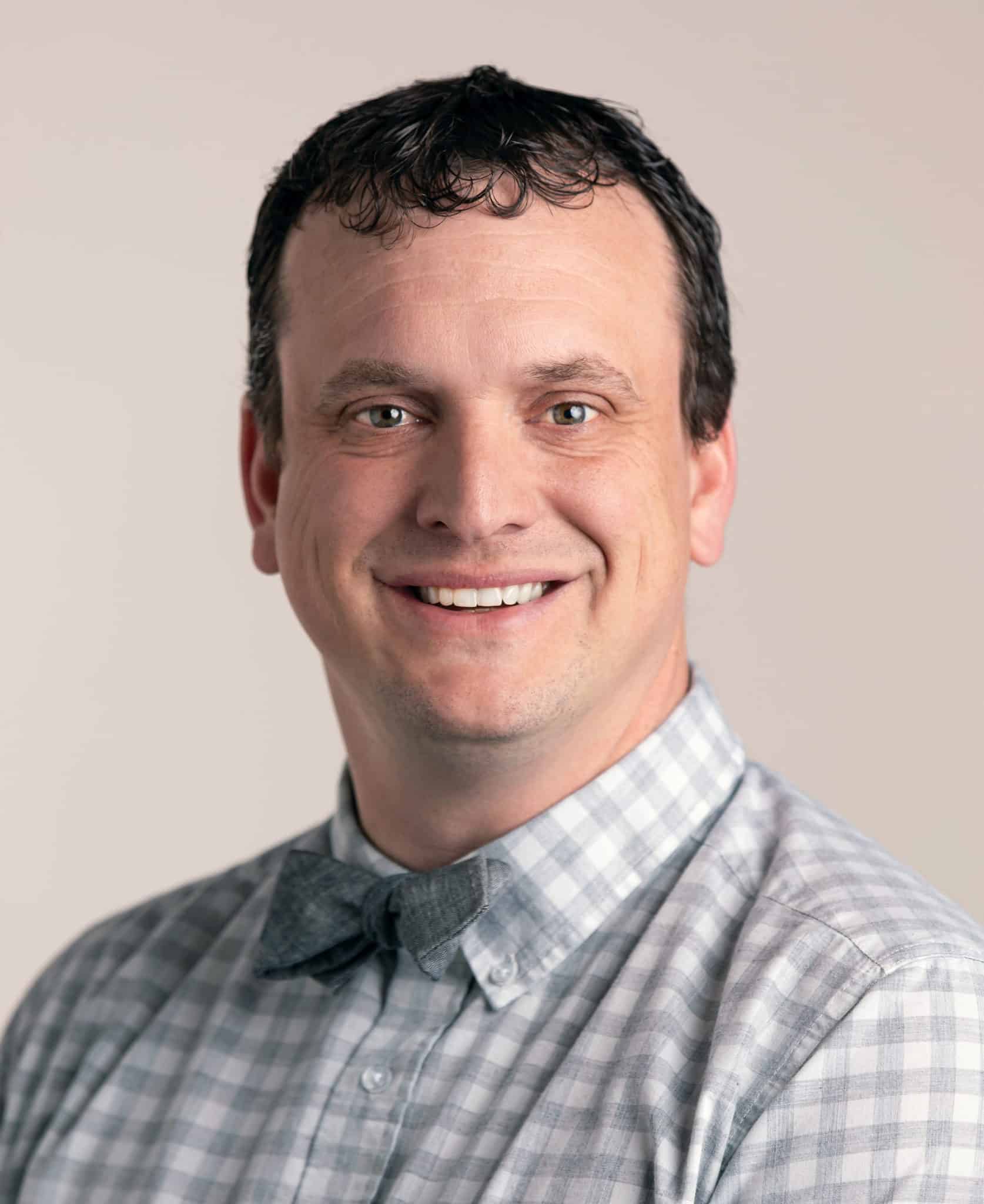
Hari Eswaran, Ph.D.; Professor, Department of Obstetrics & Gynecology; Identification of Pregnant Women at High Risk of Maternal Morbidity

Hari Eswaran, Ph.D. - Identification of Pregnant Women at High Risk of Maternal Morbidity

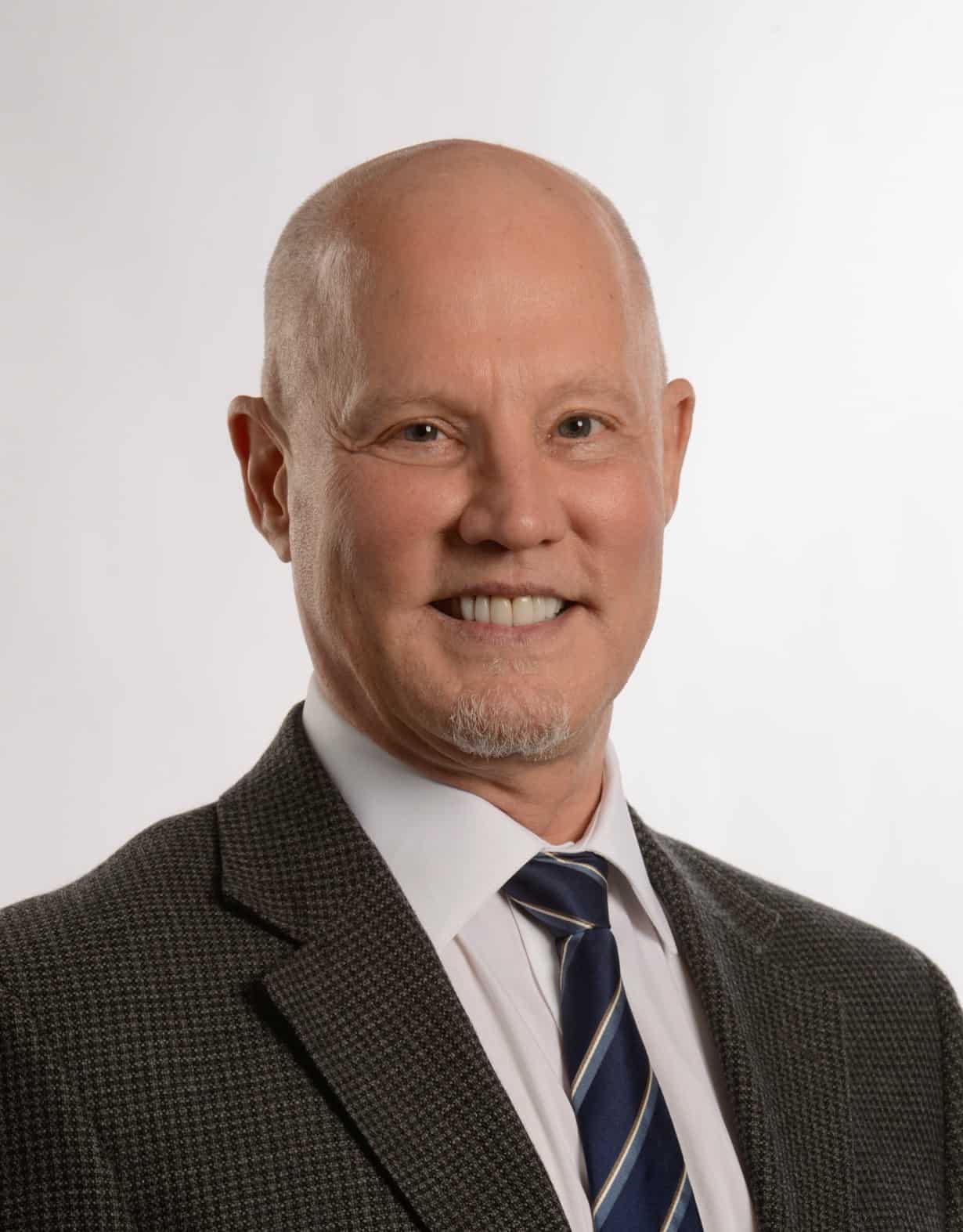
Se-Ran Jun, Ph.D.; Assistant Professor, Department of Biomedical Informatics; Using Genomics to Track Carbapenem-Resistant Enterobacteriaceae (CRE) Linking Rural and Urban Health in Arkansas

Se-Ran Jun, Ph.D.

Sacha McBain, Ph.D.; Assistant Professor, Department of Psychiatry; Digital PTSD Screening and Intervention to Meet Rural Needs

Sacha McBain, Ph.D.

Tuhin Virmani, M.D., Ph.D.; Associate Professor, Department of Neurology; Utilization of a Neuroinformatics Research Platform (ARIES) to Develop Quantitative Tools for Clinical Assessment and Treatment of Parkinson’s Disease Patients in Rural Arkansas

Tuhin Virmani, M.D.,Ph.D.

Recipients of the Translational Biomedical Informatics Awards were selected by a study section of UAMS and external faculty reviewers, as well as community reviewers.

TRI is supported by a Clinical and Translational Science Award (CTSA) from the National Center for Advancing Translational Sciences of the National Institutes of Health, grant UL1 TR003107.

Filed Under: Front, News, Newsroom

Celebrating Clinical Trials Day in the Time of COVID-19

Clinical Trials Day is Wednesday, May 20, and TRI, along with others in UAMS’ research community, are celebrating all week. Why? Because with COVID-19, clinical research has never been more important. There are now more than 30 COVID-19 research studies at UAMS and Arkansas Children’s Research Institute.

TRI has posted three short videos of UAMS research participants with inspirational stories on its social media channels.

View this brief video by TRI Associate Director John Arthur, M.D., Ph.D.

All of these videos are TRI’s Facebook page: https://www.facebook.com/uamstri/, and Twitter page: @TRI_UAMS.

Please visit and share!

Filed Under: Front, News, Newsroom

TRI Names 2020 KL2 Awardees

The University of Arkansas for Medical Sciences (UAMS) Translational Research Institute (TRI) has selected three early-career researchers to receive KL2 Mentored Research Career Development Awards.

The KL2 program, co-led by Elisabet Borsheim, Ph.D., and Brooks Gentry, M.D., provides two years of research training to junior faculty. It provides 75 percent salary support and up to $25,000  per year for research, tuition, travel and education.

The awardees are:

Britni Ayers, Ph.D.
Britni Ayers, Ph.D.

Britni Ayers, Ph.D., assistant professor, College of Medicine, UAMS Northwest Regional Campus; “Exploring the Feasibility of a Group Prenatal Program, Kōmmour Prenatal, to Reduce Maternal and Infant Health Challenges among Marshallese Pacific Islander Women.”

Jure Baloh, Ph.D.
Jure Baloh, Ph.D.

Jure Baloh, Ph.D., M.H.A., assistant professor, Health Policy and Management, College of Public Health; “Adapting a Supervision Strategy for Sustaining Fidelity to Evidence-Based Practices in Substance Use Disorder Treatment Settings.”

Kimberly Stephens, Ph.D.

Kimberly Stephens, Ph.D., M.P.H., assistant professor, Arkansas Children’s Research Institute (ACRI) Division/Center for Applied Research and Evaluation, Department of Pediatrics, College of Medicine; “Changes in Epigenetic Mechanisms and Symptom Clusters Associated with the Resolution of Persistent Pain following Spinal Cord Stimulation.”

The awardees were selected by a UAMS study section.

Filed Under: Education, Front, News, Newsroom

TRI Director Laura James, M.D., Named to National Science Board

Laura James, M.D., director of the UAMS Translational Research Institute, has been elected to the national Association for Clinical and Translational Science (ACTS) Board of Directors.

She joins 13 other directors at large from Clinical and Translational Science Award (CTSA) Program institutions across the United States.

James has been director of the institute since 2014 and is UAMS associate vice chancellor for Clinical and Translational Research. She has a 25-year history of translational research in clinical pharmacology and toxicology at UAMS and Arkansas Children’s Hospital. As a clinician-scientist and founder of the startup company Acetaminophen Toxicity Diagnostics LLC, she is leading development of a rapid diagnostic test for acetaminophen liver injury. In 2014 she was named inaugural fellow of the Arkansas Research Alliance (ARA).

The role of the ACTS board is to govern, establish policy and make strategic decisions about the future of the organization. ACTS supports research that continually improves team science, integrating multiple disciplines across the translational science spectrum. It is also the academic home for translational research education and career development, and is an advocate for translational science.

Translational research is the process of taking findings and discoveries (new medicines, health interventions, etc.) and “translating” or applying them to everyday practices that improve health.

The CTSA Program is administered by the National Center for Advancing Translational Sciences (NCATS) at the National Institutes of Health. TRI received a five-year, $24.2 million CTSA, grant UL1 TR003107 in July 2019 and is one of more than 60 CTSA-supported institutions nationally.

Filed Under: Front, News, Newsroom

TRI Helps Establish New Repository to Keep Faculty on Tenure Track

Before Arkansas had its first COVID-19 case, the reality of the impending pandemic was already setting in for UAMS faculty as cancellations for scientific conferences worldwide were announced one after another like falling dominos.

For scientists and academics, presenting to their peers at conferences is one of the main ways other than publications that they share their latest findings, learn about advances in the field, and gain the kind of resume fuel that can make or break careers as they work toward promotion and tenure.

For each presentation, there might be years of work behind it. This can be especially disappointing for the clinical faculty who are hardest hit by the pandemic. It often requires more effort for them to find the time to conduct research as they try to balance it with their clinical and educational duties.

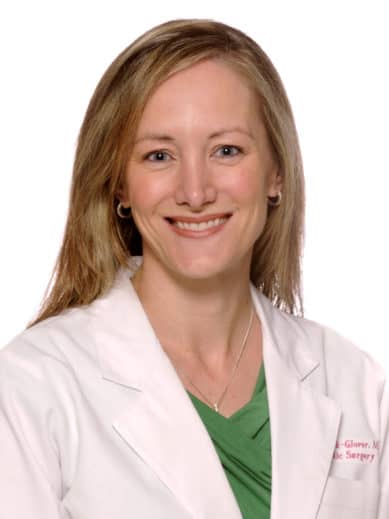
Theresa O. Wyrick-Glover, M.D.

Theresa O. Wyrick-Glover, M.D., an associate professor in the Department of Orthopaedic Surgery, was an invited lecturer at the Philadelphia Hand Symposium, a conference she has participated in for the past 10 years.

“It is a large meeting with national and international participants,” Wyrick said. “It was canceled the week of the meeting. I had obviously put a great deal of effort into my presentation and work product and was very disappointed that I was unable to present it.”

Wyrick’s was a story repeated countless times across campus.

The staff in the Faculty Affairs office are highly attuned to the promotion and tenure needs of faculty and saw an opportunity to help. They created an online Scholarly Product Repository so UAMS faculty will have a place to publicly display the work they would have otherwise showcased at the canceled events of spring 2020.

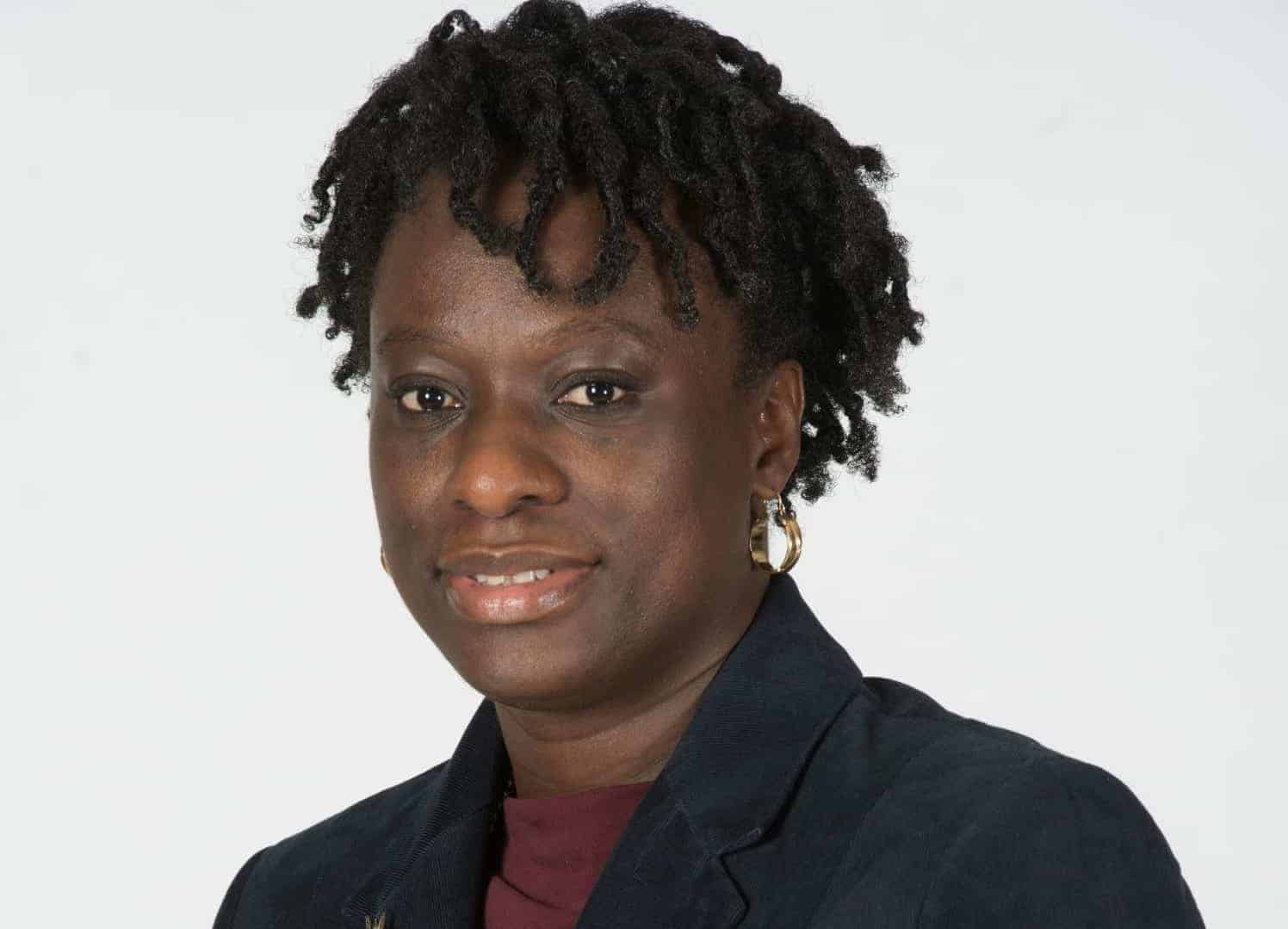
Beatrice Boateng, Ph.D.

“This project is designed to provide faculty with a public avenue to share the information that they would have otherwise shared at conferences, nationally and internationally,” said Beatrice A. Boateng, Ph.D., assistant dean for faculty assessment and evaluation in the COM and director of evaluation in the Translational Research Institute.

While the project began with the College of Medicine, it has been expanded to include all colleges. Students can also submit their work.

Boateng repurposed existing database software used in the institute to quickly begin accepting peer-reviewed and accepted abstracts, posters and other scholarly work via an easy-to-use interface. The research will soon be posted online, thanks to existing infrastructure in the COM.

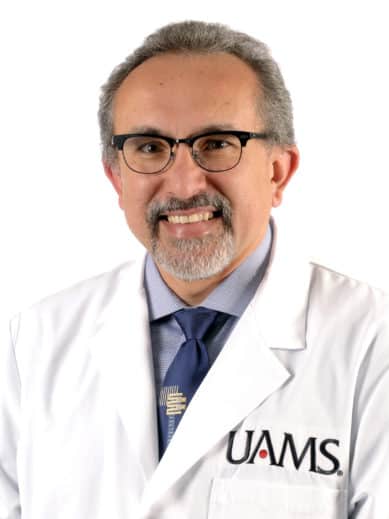
Erick Messias, M.D., Ph.D., M.P.H.

“Several research faculty and their chairs have expressed gratitude for this tool, and Dr. Boateng was a key player in making it happen so quickly and so well,” said Erick Messias, M.D., Ph.D., associate dean for Faculty Affairs. “She has been a great addition to the Faculty Affairs team and has definitely helped to strengthen our partnership with the Translational Research Institute.”

Wyrick said it gave her a way to salvage would could have been lost time and effort.

“The UAMS Scholarly Product Repository gave me an opportunity to present and showcase my efforts and to make the content available to an interested audience,” Wyrick said. “Additionally, this platform allows me to list this presentation on my CV, which is important for promotion and tenure.”

Brenda Burks, assistant director for the Faculty Center, said it also gave the staff in the Faculty Center a way to support the wider UAMS community during difficult times.

“I felt like it is important for those of us who are non-clinical to find a way to really focus our efforts during COVID-19,” Burks said. “So much is being asked of our clinical faculty right now. It was important to me to find a way to support them that felt meaningful.”

To make a submission, visit the UAMS Scholarly Product Repository online.

Filed Under: Front, News, Newsroom

The TRIbune Is Here!

The March-April TRIbune highlights an important CTSA collaborative with 66 UAMS faculty taking part. The External Reviewer Exchange Consortium involves nine institutions and enables an efficient network for sharing the workload of pilot grant application reviews.

It is one of the first formalized reviewer exchanges with an online dashboard for streamlining the process.

This issue of the TRIbune also highlights funding awards to researchers as part of new TRI initiatives. These include our Data Scholars, Team Science Vouchers, and Health Sciences and Entrepreneurship (HSIE) Scholars.

And check out the list of publications that received TRI funding or other TRI support.

Read The TRIbune.

Filed Under: Front, News, Newsroom

$765,789 Grant to Focus on Advanced Analytics to Improve Health Outcomes

A five-year, $765,789 grant to the University of Arkansas for Medical Sciences ((UAMS) will support teaching graduate students advanced analytics to address health outcomes.

The grant, from the National Institute on Minority Health and Health Disparities (NIMHD), establishes the T32 Pre-doctoral Research Training Program.

Mick Tilford, Ph.D., professor and chair of the Department of Health Policy and Management in the UAMS College of Public Health, led the grant application with support from the UAMS Translational Research Institute.

He and Jonathan Bona, Ph.D., will co-direct the T32 program, which will select two graduate students per year. Bona is an assistant professor in the UAMS College of Medicine Department of Biomedical Informatics.

Tilford believes that developing the skills needed to analyze large sets of data by computer will lead to a better understanding of the complex relationships that determine health outcomes.

With multidisciplinary, team-based science as part of the T32 training, Tilford said the program will produce a new generation of researchers to address health outcomes.

“This is the only NIMHD T32 research training program in the state,” he said. “It will serve as a model for improving disparate population health outcomes in the state, region and nation.”

The T32 training will include collaborations with the Translational Research Institute, Regional Campuses and Institute for Digital Health & Innovation at UAMS, and the Institute for Advanced Data Analytics at the University of Arkansas, Fayetteville.

The Translational Research Institute is supported by a Clinical and Translational Science Award (CTSA) from the National Center for Advancing Translational Sciences of the National Institutes of Health, grant UL1 TR003107.

Filed Under: Front, News, Newsroom

TRI Announces Inaugural Class of Data Scholars

The Translational Research Institute (TRI) has selected three Data Scholars for its inaugural 2020-21 class.

TRI’s Data Scholars Program supports UAMS faculty in learning and applying the principles and methods of data analytics and data sciences to inform clinical practice and policy. Scholars will pursue formal course work in addition to mentoring during their data-driven research project.

The scholars and their project titles are:

Nishank Jain, M.D., M.P.H., Assistant Professor, College of Medicine, “Predictors of Bleeding in Patients on Chronic Dialysis on P2Y12 inhibitors (PREDICT BLEED study)”

Margarete Kulik, Ph.D., M.Sc., M.A., Assistant Professor, College of Public Health, “Using (Arkansas) All-Payer Claims Data to examine utilization and prescription patterns of tobacco cessation treatments among Medicaid enrollees in Arkansas”

Yasir Rahmatallah, Ph.D., Assistant Professor, College of Medicine, “Temporal trajectory analysis promotes data-driven knowledge extraction and identifies critical intervention points to disrupt disease progression pathways”

“We had a diverse, competitive pool of 10 applicants, and I am very excited about the three who were chosen,” said Brad Martin, Pharm.D., Ph.D., a professor in the UAMS College of Pharmacy who led the launch of the program for TRI.

A study section (group) of seven UAMS faculty reviewers selected the scholars.

The data scholars will receive 20% salary support and reimbursement for tuition and fees up to $5,000 per year starting July 1, 2020. They will also receive close mentoring from UAMS TRI faculty and staff in developing their research projects using existing UAMS data resources such as the UAMS Arkansas Clinical Data Repository (AR-CDR), LifeLink, Arkansas All-Payer Claims Database, Healthcare Cost and Utilization Project or Veterans Administration data.

The program is supported by the UAMS Translational Research Institute and its Clinical and Translational Science Award, grant TL1 TR003109.

Filed Under: Front, News, Newsroom

Diet, Cancer Radiation Finding Earns Best Paper for TRI KL2 Scholar

UAMS Translational Research Institute (TRI) KL2 Scholar Isabelle Racine Miousse, Ph.D., is the lead author on a publication selected as the best research paper in the March issue of the American Journal of Physiology – Gastrointestinal and Liver Physiology.

The selection was announced by the American Physiological Society APSselect.

Miousse is an assistant professor in the Department of Biochemistry and Molecular Biology in the UAMS College of Medicine. The title of her paper is “Methionine dietary supplementation potentiates ionizing radiation-induced gastrointestinal syndrome.” Its co-authors are Laura E. Ewing, M.S., Charles M. Skinner, B.S., Rupak Pathak, Ph.D., Sarita Garg, Ph.D., Kristy R. Kutanzi, Ph.D., Stepan Melnyk, Ph.D., Martin Hauer-Jensen, M.D., Ph.D., and Igor Koturbash, M.D., Ph.D., senior author.

The team found that in mice, high levels of the amino acid methionine in the diet increased the amount of damage to the gut caused by radiation. It suggests that a diet high in methionine (found in meat, fish and dairy), such as a typical Western diet, may worsen gastrointestinal side effects from radiation therapy. This, in turn, may prevent cancer patients from receiving the most effective doses of radiation therapy.

The KL2 Mentored Research Career Development Award Program is supporting Miousse’s research in improving survival in patients with metastatic melanoma by exploiting cancer cells’ dependence on methionine. KL2 scholars receive two years of research support, including 75 percent salary support and $25,000 per year for research, tuition, travel and education materials in support of the scholar’s career development plan.

Filed Under: Front, News, Newsroom

TRI Offers CBPR Scholars Program with Pilot Funding Opportunities

The Translational Research Institute (TRI) is looking for researchers interested in partnering with community organizations and attending a Community Based Participatory Research Training Program.

CBPR is a collaborative approach to research that equitably involves all partners in the research process and recognizes the unique strengths that each brings.

Researchers who are interested but need help identifying a community partner will receive assistance from the TRI Community Engagement Team.

Interested researchers should fill out the brief Interest Form here: https://bit.ly/2T1fI0K.

The deadline for submitting the Interest Form is Monday, March 30. TRI will release a Request for Proposals on Wednesday, July 1.

The researchers/community partners selected as CBPR Scholars will be invited to apply for TRI pilot awards earmarked for the program. The CBPR Scholars Program will begin in January 2021.

View flyer.

Filed Under: Front, News, Newsroom

  • «Previous Page
  • Page 1
  • Interim pages omitted …
  • Page 17
  • Page 18
  • Page 19
  • Page 20
  • Page 21
  • Interim pages omitted …
  • Page 36
  • Next Page»
Translational Research Institute LogoTranslational Research InstituteTranslational Research Institute
Mailing Address: 4301 West Markham Street, Little Rock, AR 72205
Phone: (501) 686-7000
  • Facebook
  • X
  • Instagram
  • YouTube
  • LinkedIn
  • Pinterest
  • Disclaimer
  • Terms of Use
  • Privacy Statement
  • Legal Notices

© 2026 University of Arkansas for Medical Sciences